Volodymyr Zelensky just made a move that feels like a Hail Mary. On March 30, 2026, the Ukrainian President publicly floated the idea of an Easter truce. He's not just asking for a break in the fighting; he's specifically looking to use Donald Trump as the middleman to get the message to Vladimir Putin. If you're wondering why this is happening now, look at the energy markets. Oil and gas prices are spiraling because of the ongoing conflict in Iran, and everyone is feeling the squeeze.
Zelensky’s offer isn't just about the holiday. He’s proposing a mutual halt on strikes against energy infrastructure. Ukraine has been hitting Russian refineries hard—cutting their export capacity by an estimated 40% this month alone. Now, he’s essentially saying, "We’ll stop hitting your oil if you stop hitting our power grid." It's a pragmatic, desperate, and calculated attempt to lower the temperature while the world’s attention is split between Eastern Europe and the Middle East.
The Trump Factor in Ukrainian Diplomacy
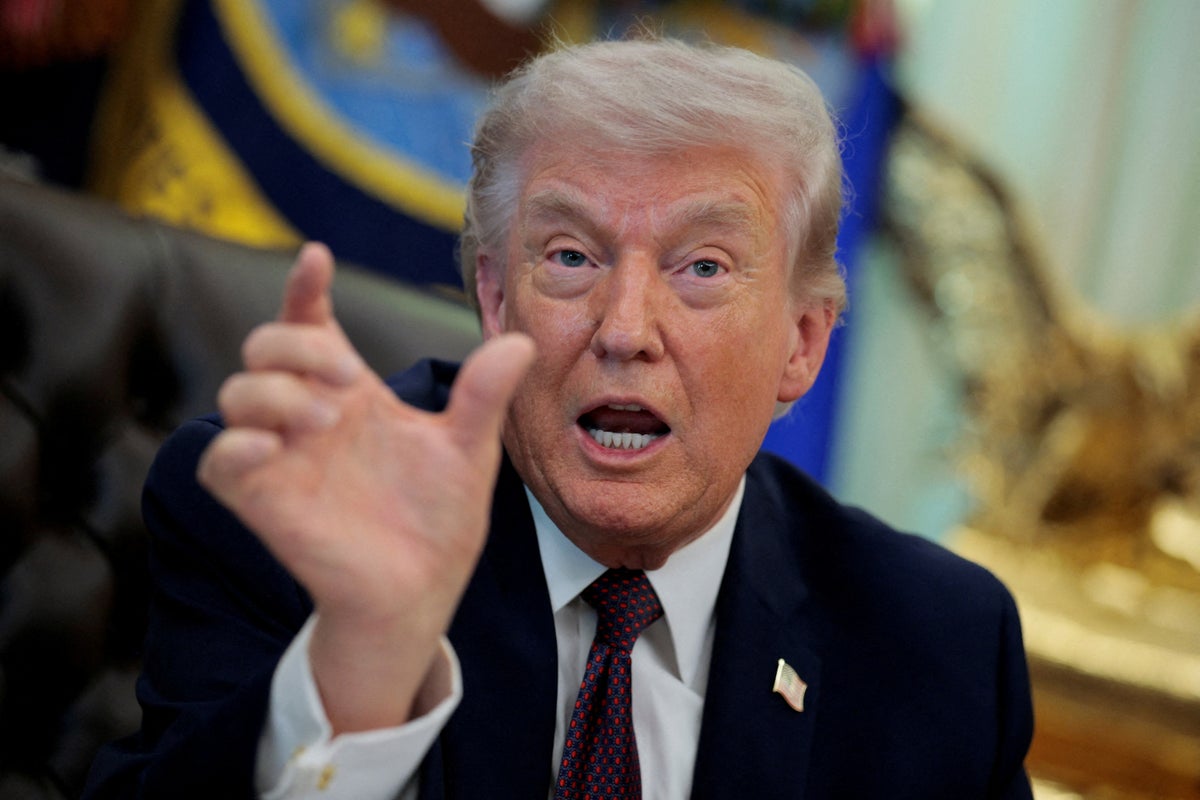
Why involve Trump? Since early 2025, the Trump administration has been the primary driver of peace talks, even if those talks have been on life support lately. By asking Trump to relay the truce offer, Zelensky is playing to the former president’s "deal-maker" persona. He knows that if the message comes from Mar-a-Lago or the White House, it carries a different weight in Moscow than a direct telegram from Kyiv.
Trump has been pushing for a resolution to the war to pivot U.S. resources elsewhere, especially with the war in Iran heating up. Zelensky is giving him a low-stakes "win" to pursue. An Easter truce—which falls on April 12 this year for the Orthodox calendar—is a PR-friendly goal. It’s hard to argue against a ceasefire for a holy day, even if you’re the Kremlin.
The Kremlin Response is Cold
Predictably, Moscow isn't biting yet. Kremlin spokesperson Dmitry Peskov dismissed the idea on Tuesday, calling it "vague." The Russian stance is basically that they don't want a temporary band-aid; they want a full surrender on their terms. Peskov’s rhetoric was blunt: the longer Zelensky waits, the "higher the price" of peace will be.
Russia feels like it has the upper hand right now. Their troops are pushing forward along the front lines, and they’ve been relatively successful in parrying some of the latest drone waves. For Putin, a truce looks like a chance for Ukraine to rearm. For Zelensky, it’s a necessary breather to fix a power grid that’s been hammered into the Stone Age.
What’s Really Behind the Energy Truce
The most interesting part of this isn't the religious holiday—it’s the oil. Zelensky mentioned that "partners" (read: the U.S. and EU) have been signaling for Ukraine to stop hitting Russian energy sites. High gas prices are political poison in a Western election year, and the war in Iran has already sent crude through the roof.
- Leverage: Ukraine’s drone strikes on the Baltic port of Ust-Luga and other refineries have actually worked. They’ve hurt Russia's wallet.
- Survival: Ukraine's own energy sector is hanging by a thread. A "tit-for-tat" cessation of energy strikes would save Ukrainian civilians from a dark, cold spring.
- The Global Market: By tying the truce to energy, Zelensky is making his war a global economic issue, not just a regional border dispute.
If Russia agrees to stop hitting transformers, Ukraine stops hitting refineries. It sounds simple, but in the middle of a war of attrition, "simple" is a luxury neither side can afford.
History isn't on Their Side
Don't hold your breath for a peaceful Easter. Last year, Putin declared a 30-hour truce that ended in mutual accusations and more drone strikes. Zelensky called it a "play with human lives" back then. The fact that he’s the one proposing it now shows how much the battlefield reality has shifted.
Ukraine is tired. Russia is stubborn. Trump is looking for a legacy-defining deal. But until the boots on the ground stop moving, these proposals are mostly just theater for the international community.
Your Next Steps to Stay Informed
If you're watching the markets or the front lines, here is what you should be looking for over the next ten days:
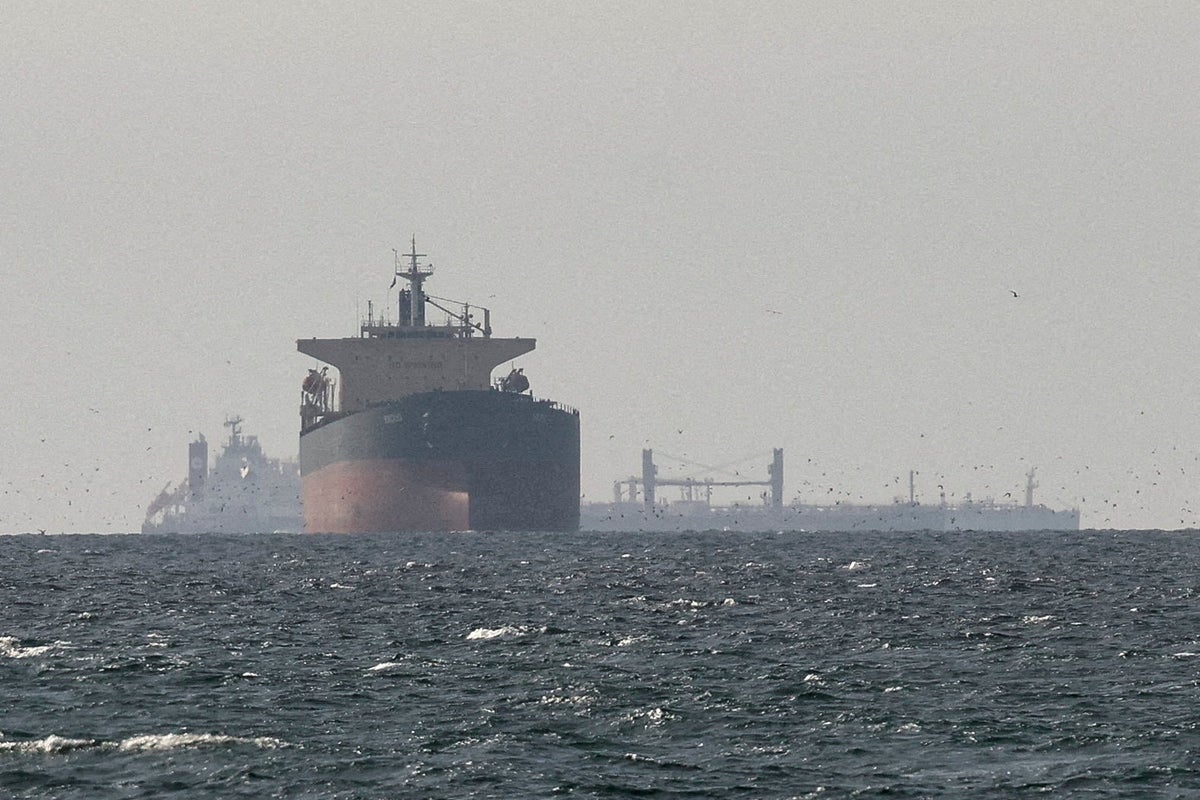
- Watch the Straits: Keep an eye on the Strait of Hormuz situation. If oil prices keep climbing, the U.S. will put immense pressure on Zelensky to stop the refinery strikes, regardless of what Putin does.
- Monitor the Rhetoric: See if Trump actually mentions the truce in his next rally or press briefing. If he picks up the mantle, the pressure shifts to the Kremlin to respond.
- Check the Grid: Look for reports on Ukrainian energy repairs. If they start making progress on major substations without Russian interference, it might mean a "silent" truce is already being tested.
Don't expect the war to end on April 12, but watch the energy infrastructure. That's where the real deal-making is happening.