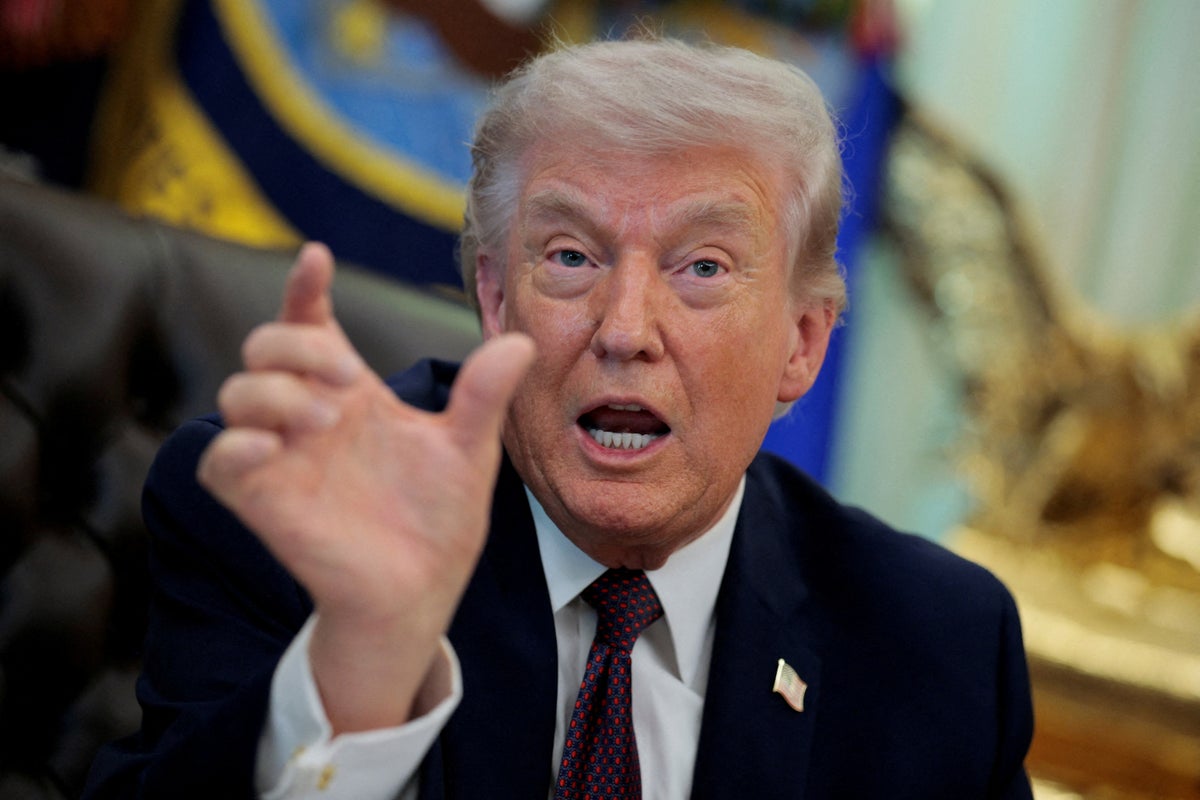
Talking with your hands is a classic political move. Talking with 2,000-pound laser-guided bombs is something else entirely. Yet that's exactly the playbook the White House is running right now in the Middle East.
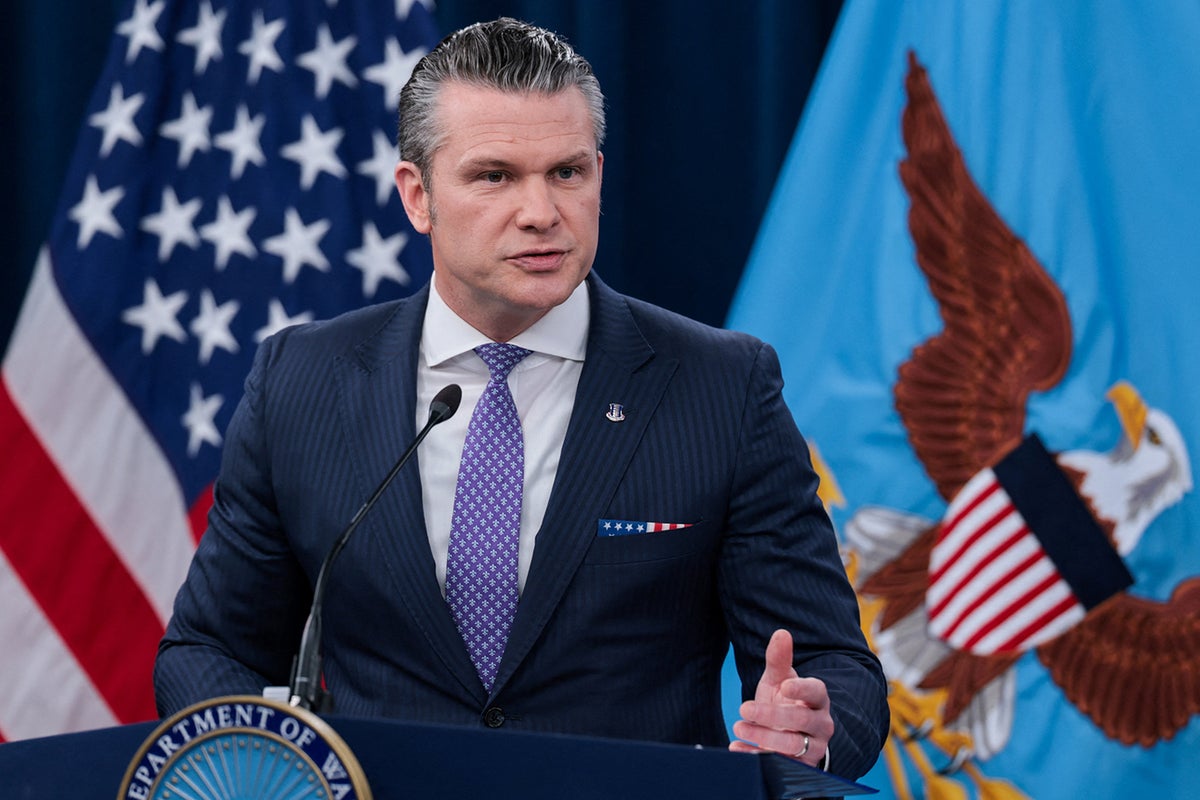
If you've been following the news out of the Pentagon—recently rebranded by the administration as the Department of War—you know things have escalated dramatically. US Secretary of War Pete Hegseth basically admitted that the administration's version of diplomacy involves keeping heavy bombers loitering directly over Tehran.
"We negotiate with bombs," Hegseth stated bluntly.
It's a quote that sounds like it was ripped straight out of an 80s action movie. But it's the literal reality of American foreign policy in 2026. The administration is betting everything on a strategy of pure, unadulterated "peace through strength." They're betting they can force Iran to permanently abandon its nuclear ambitions by dismantling its military infrastructure brick by brick while simultaneously offering a deal.
The big question isn't just whether this will work on Iran. The real question is what this means for the rest of the world. Because as Hegseth made clear, this administration is ready to lead the free world on its own terms—whether traditional allies like it or not.
The Reality of Negotiating With Bombs
Let's look at what's actually happening on the ground, because the scale of this military operation is massive. Operation Epic Fury has been running for weeks. The US and Israel have established complete control over Iranian airspace and waterways without putting large numbers of conventional ground boots on the floor.
The military has shifted from using expensive, standoff cruise missiles to using standard GPS and laser-guided gravity bombs. Why? Because the Iranian air defense network has been so thoroughly dismantled that American pilots can fly right over the capital day and night.
According to joint briefings by Hegseth and Chairman of the Joint Chiefs Air Force Gen. Dan Caine, the objectives are crystal clear:
- Eradicate Iran's ballistic missile and drone stockpiles.
- Annihilate the Iranian Navy and clear the Strait of Hormuz.
- Sever every single pathway Tehran has to a nuclear weapon.
The administration's stance is that Iran's leaders are begging to make a deal because they've been beaten so badly. The White House has even put forward a 15-point action plan as a framework for peace. But they aren't stopping the airstrikes to let the lawyers talk. The bombing continues while the messaging says, "Sign the paper or keep watching your country crumble."
Allies are Getting a Blunt Reality Check
This aggressive posture isn't just scaring adversaries. It's putting massive pressure on America's traditional Western allies. For decades, the US-led global order relied on coalition building, endless committee meetings, and consensus. That era is officially over.
Hegseth openly expressed frustration with allies who hesitate when asked for simple access, basing rights, or overflight permissions. "You don't have much of an alliance if you have countries that are not willing to stand with you when you need them," he remarked.
This hits at the core of the administration's worldview. They believe the US spends far too much blood and treasure defending a "free world" that refuses to pull its own weight.
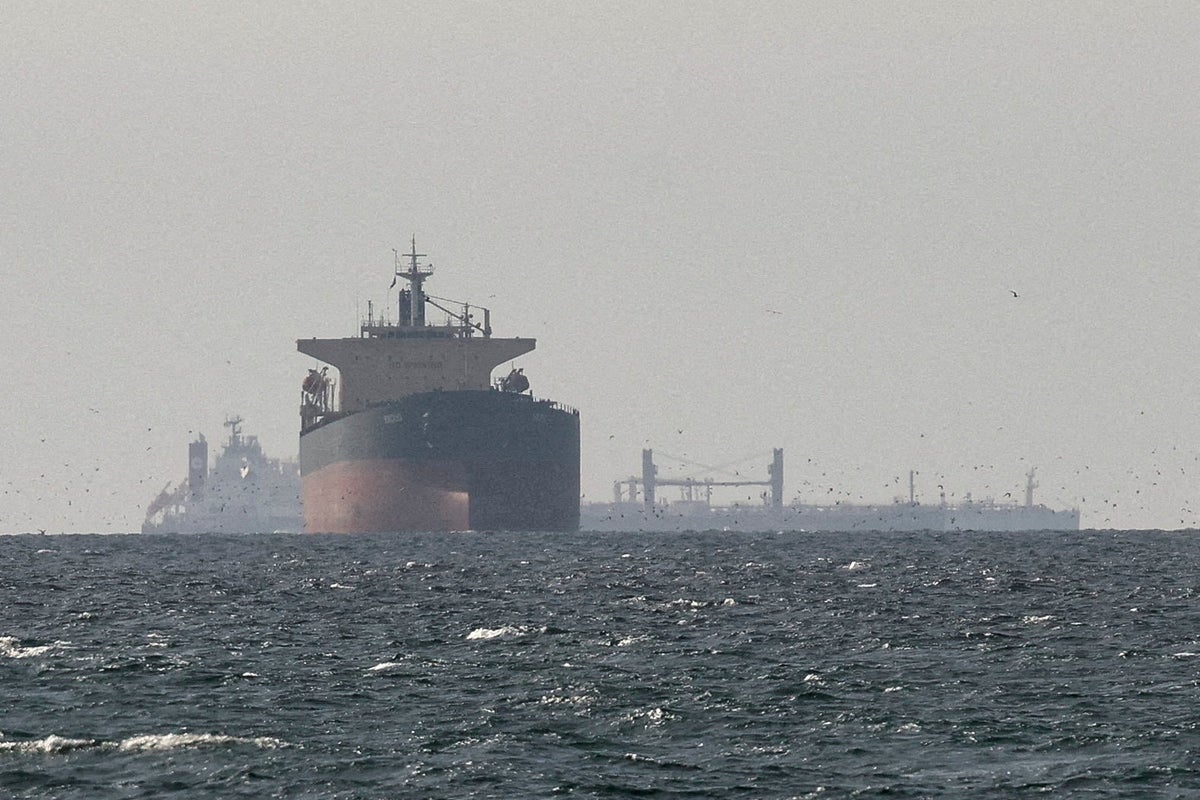
Look at the Strait of Hormuz. It's one of the most vital oil chokepoints on the planet. While the US military is doing the heavy lifting to keep it open, the president has repeatedly stated that the responsibility should fall on the countries that actually rely on that oil. He even suggested that allies like the UK should go to the region and just take what they need.
It's a total rejection of the old global police model. The new rule is simple: if you want the benefits of the American security umbrella, you'd better be ready to contribute actively or step aside.
The Massive Risks of Unpredictability
You can't talk about this strategy without acknowledging the elephant in the room. This approach carries astronomical risks that could easily spiral out of control.
First, there's the question of Iran's enriched uranium. Tehran possesses a significant amount of near-bomb-grade nuclear material. You can't safely destroy that from 30,000 feet without risking a massive environmental disaster or spreading radioactive material. Many nuclear experts argue that securing that material requires specialized ground troops.
Hegseth has been deliberately vague about putting boots on the ground, arguing that telegraphing your moves to the enemy is foolish. "Maybe negotiations work, or maybe there's a different approach," he said. Strategic unpredictability might work in a poker game, but when dealing with enriched uranium, a lack of transparency makes everyone nervous.
Second, there's the blowback on the global economy. The conflict has already caused massive spikes in energy costs and disrupted global shipping. If Iran's remaining proxies manage a lucky strike on a major oil facility or commercial port, the economic fallout will be felt by everyday people at the gas pump and the grocery store.
How to Navigate a More Aggressive Geopolitical World
We're moving into a period where the old rules of international diplomacy are being rewritten in real-time. Whether you agree with the administration's heavy-handed tactics or not, the ripple effects are going to change global business and security for a generation.
If you're trying to figure out what this means for the future, here are the practical realities you need to plan for:
Understand that unilateral action is the new normal. Don't wait for the UN or NATO to form a consensus on global crises. The US is demonstrating that it's perfectly willing to act alone or with a single key partner (like Israel) to achieve its security goals.
Expect extreme volatility in energy markets. With the administration threatening Iranian energy infrastructure and challenging allies to secure their own transit, oil and gas prices are going to fluctuate wildly. Businesses need to build massive flexibility into their supply chains.
Watch the Strait of Hormuz as the ultimate barometer. The success or failure of this entire operation hinges on whether the US can force Iran to yield without permanently choking off global oil transit. If traffic through the strait stabilizes, the administration's gamble might just pay off. If it doesn't, expect the conflict to widen significantly.