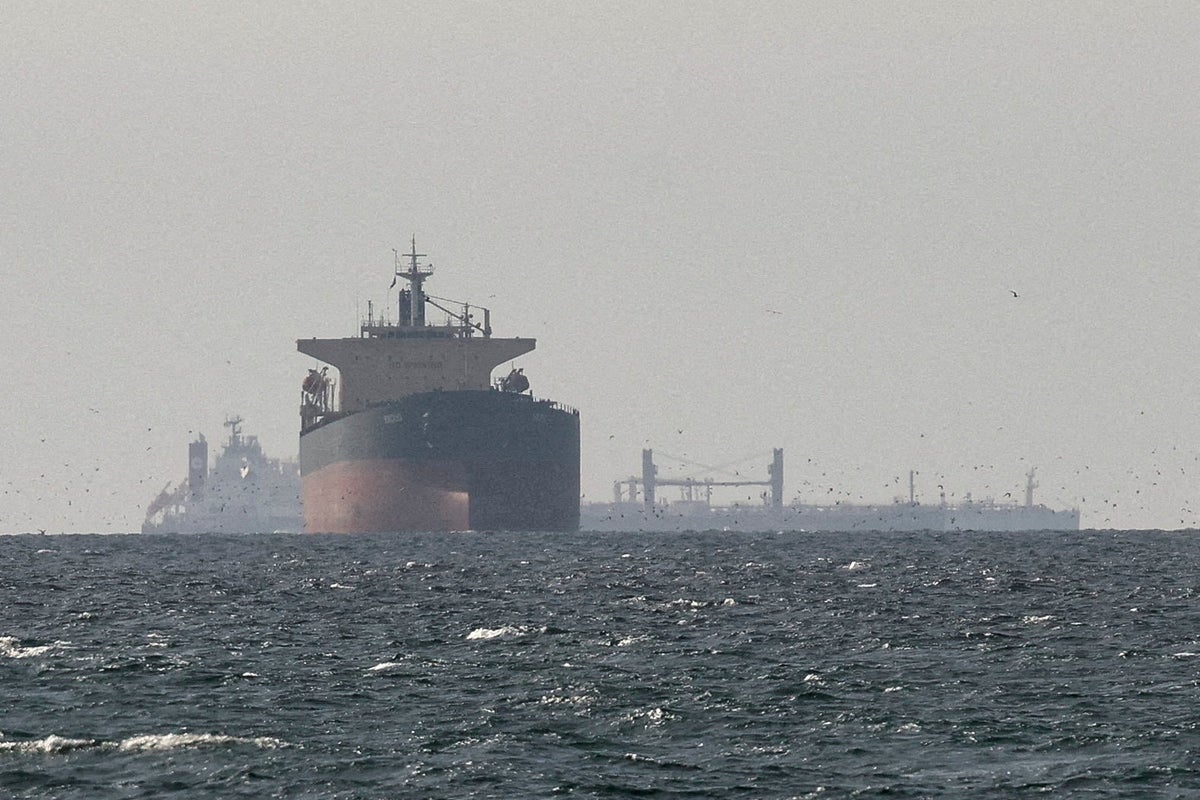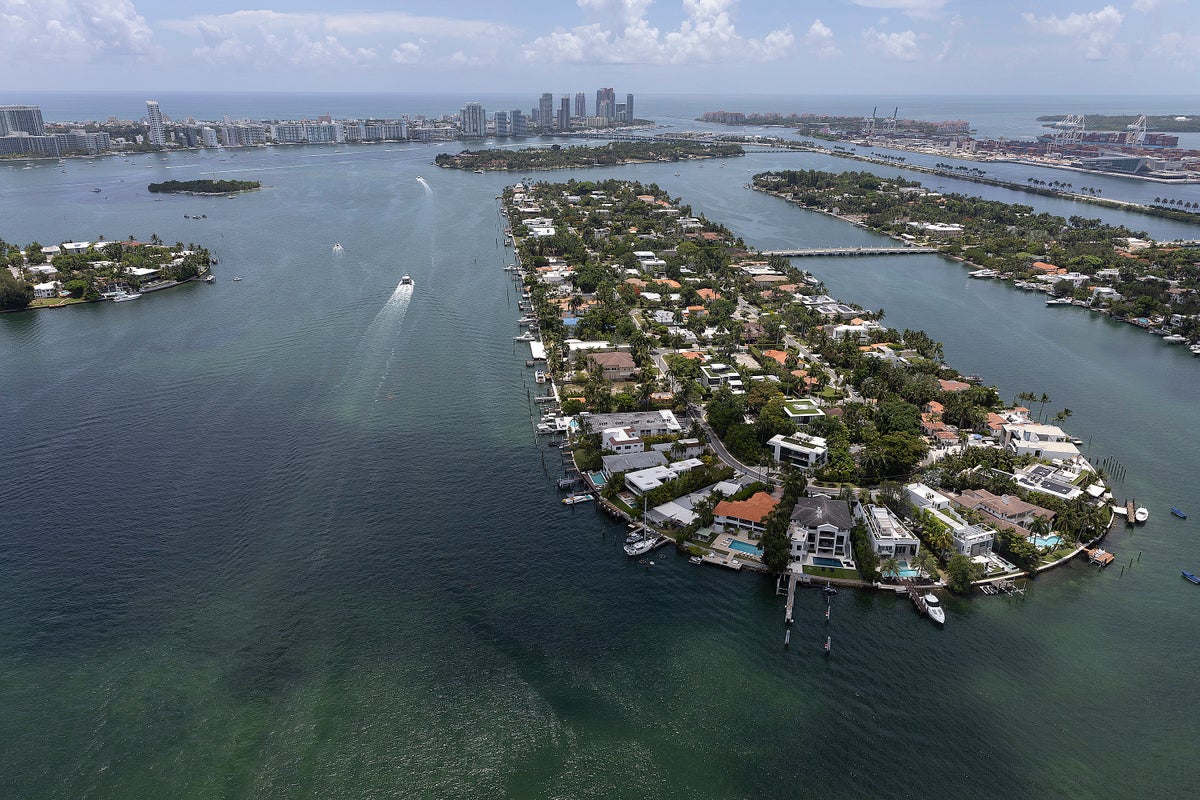
In the heavy, salt-choked air of the Port of Miami, a tugboat captain’s primary job is to see everything. On a clear night in early 2023, Captain Edson Jefferson did the opposite. While maneuvering a 90-foot tugboat through the Government Cut shipping channel, he allegedly spent critical minutes staring at his phone instead of the dark water ahead. That distraction ended in a collision with a small sailboat, claiming the lives of three young girls. While the prosecution frames this as a simple case of individual negligence, the reality is far more systemic. This tragedy exposes a growing, unregulated crisis of digital distraction in maritime operations that the industry continues to ignore at its own peril.
The legal hammer fell hard this week with charges of vessel homicide and culpable negligence. Prosecutors argue that the captain’s phone use created a "total loss of situational awareness." In the narrow, high-traffic corridors of one of the world's busiest ports, situational awareness isn't a luxury. It is the only thing keeping thousands of tons of steel from crushing smaller pleasure craft. But to understand how three lives were lost, we have to look past the individual screen and into the cockpit of the modern maritime industry.
The Illusion of Automation in Government Cut
Government Cut is a brutal stretch of water. It is a man-made channel that serves as the main artery for massive cruise ships, cargo behemoths, and an endless swarm of recreational boaters who often lack even basic navigational training. For a tugboat captain, this environment requires a constant 360-degree scan.
There is a dangerous myth circulating in maritime circles that modern sensors—AIS, radar, and GPS—have made constant visual monitoring less critical. This is a lie. Radar often fails to pick up small wooden or fiberglass hulls, especially in the "clutter" of a busy harbor. AIS (Automatic Identification System) only works if the other boat has a transmitter, which many small sailboats do not. When a captain looks down at a phone, they aren't just missing what is in front of them; they are trusting a suite of technology that was never designed to replace human eyes in close-quarters maneuvering.
The tugboat involved was built for power, not visibility. These vessels sit low in the water with massive engines and high bows. The blind spots are significant. When you add a handheld distraction into that mix, you effectively turn a precision instrument into a blind battering ram.
The Psychology of the Digital Anchor
Why would a veteran captain, responsible for millions of dollars in equipment and the lives of those around him, look at a phone? The answer lies in the "boredom trap" of professional navigation.
Hours of routine transit can create a false sense of security. The brain craves stimulation, and the smartphone provides a dopamine hit that overrides professional instinct. In the maritime world, we call this the "digital anchor." It pulls the operator’s mind away from the physical environment and fixes it in a virtual space. By the time the captain looks up, the physics of the situation are already locked in. A 90-foot tugboat cannot stop on a dime. It cannot swerve like a car. Once the distance is closed, the outcome is dictated by inertia, not intent.
The Failure of Maritime Policy
We have strict "hands-free" laws for teenagers in sedans, yet the regulations regarding mobile device use for commercial mariners remain surprisingly murky and difficult to enforce. While the Coast Guard issues "safety alerts" and "recommendations," there is no federal "kill switch" for personal devices on a bridge.
Companies often have internal policies banning phone use, but without active monitoring, these rules are treated as mere suggestions. In the Miami case, the investigation revealed prolonged periods of data usage. This wasn't a quick check of the weather. It was a sustained engagement with a device while a massive vessel moved through a high-risk zone.
If the industry truly cared about safety, bridge cameras and data-logging software would be as standard as life vests. Instead, we rely on the honor system. We see how well that worked for those three girls.
The Recreational Vulnerability Gap
The victims in this case were on a sailboat, a vessel that is inherently slower and less maneuverable than a tug. In a port like Miami, there is a fundamental mismatch between the commercial operators and the recreational public.
Recreational boaters often assume that because they see a large tug, the tug sees them. They don't account for the "blind arc" of a tugboat's bow or the fact that the captain might be distracted. The sailboat was where it was supposed to be, following the rules of the road. It was the commercial entity—the professional held to a higher standard—that failed the basic duty of care.
This incident should serve as a cold wake-up call for every yacht club and marina in South Florida. You can have the right of way, but if the man at the helm of the 4,000-horsepower tug is looking at a TikTok video, your right of way is a death sentence.
Rebuilding the Wall of Professionalism
Fixing this isn't about more paperwork or "awareness" posters in the breakroom. It requires a fundamental shift in how we equip bridges.
- Electronic Signal Jamming or Geofencing: Commercial vessels should have bridge zones where personal cellular signals are restricted during transit, leaving only emergency channels open.
- Inward-Facing Cameras: Just as the trucking industry adopted dash-cams to monitor driver fatigue and distraction, the maritime industry must embrace bridge monitoring. The pushback from unions and privacy advocates is predictable, but privacy ends where public safety begins.
- Criminal Liability as a Deterrent: The decision to charge Captain Jefferson with homicide is a necessary escalation. For too long, maritime accidents were treated as "acts of God" or simple administrative errors. When you choose to look at a phone while operating heavy machinery in a crowded channel, that is a conscious choice. It is a criminal choice.
The prosecution of the Miami tug captain will likely be a landmark case. It moves the conversation from "accidental collision" to "avoidable negligence." The families of the victims are looking for justice, but the industry should be looking for a mirror.
The Invisible Threat of the Harbor
As we look at the data from this tragedy, a chilling pattern emerges. The distraction didn't happen in the open ocean; it happened in the "last mile" of the journey. This is where most maritime accidents occur—within sight of the pier.
The proximity to land provides a false sense of connectivity. The closer a captain gets to the shore, the stronger the cellular signal and the higher the temptation to "check in" with the world they are about to rejoin. This is the deadliest paradox of modern navigation: the closer you are to safety, the more likely you are to let your guard down.
The three girls on that sailboat didn't die because of a mechanical failure. They didn't die because of a sudden storm or a rogue wave. They died because a professional mariner treated a lethal piece of industrial equipment like a parked car. Until the industry treats the smartphone as the hazardous material it is, Government Cut will remain a graveyard for the unsuspecting.
Professionalism in the 21st century is defined by what you choose to ignore. A captain who cannot ignore their phone has no business holding a license, and a company that doesn't monitor its bridges has no business operating in our waters. The charges filed in Miami are the first step in a long-overdue reckoning with the digital rot at the heart of maritime safety.
Don't wait for the next set of charges to lock the phones in the locker. The price of a text message in the Miami channel is now measured in lives, not data. Put the device down or get off the bridge. There is no middle ground left.