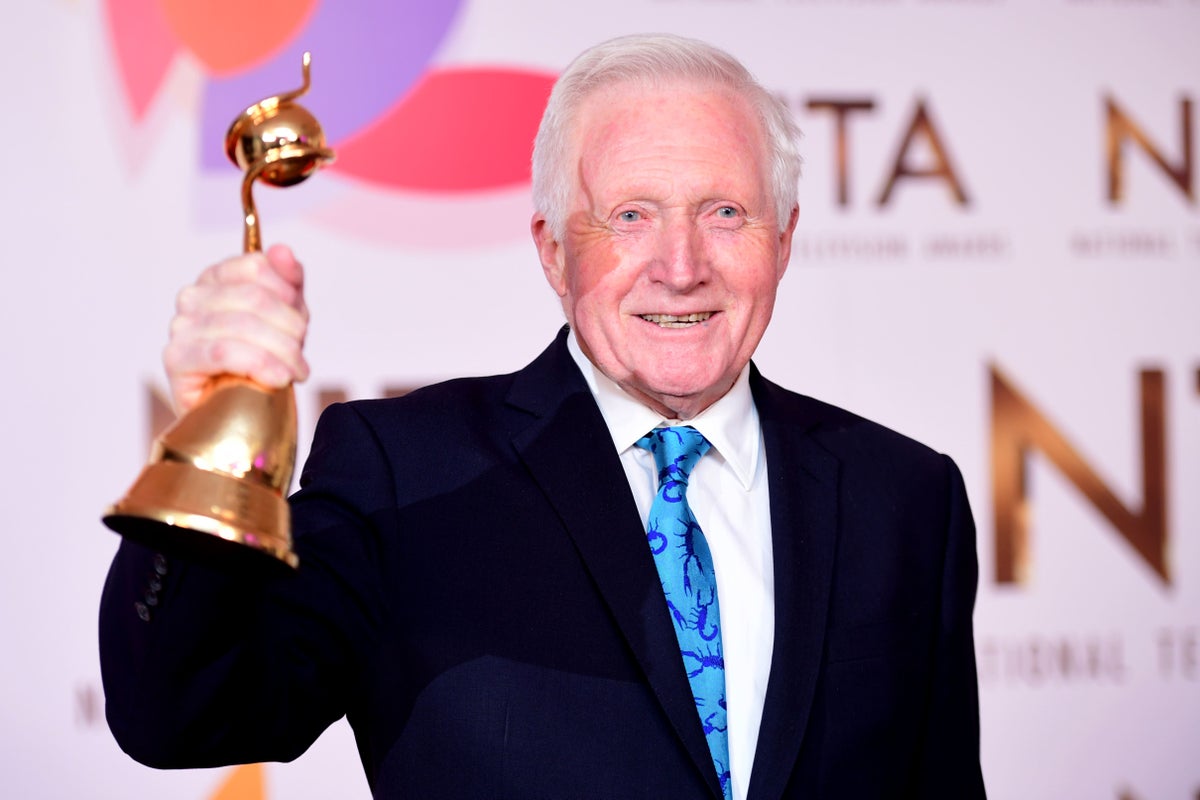
David Dimbleby is a titan of broadcasting, but his latest crusade to scrap King Charles’s visit to the United States is a masterclass in short-sighted isolationism. Calling the visit "an embarrassment" suggests a profound misunderstanding of how soft power actually functions in the 21st century. The critics are clinging to an outdated idea of the monarchy as a museum piece that should stay locked in a glass case whenever the political weather gets choppy.
They are wrong.
The royal visit isn't a victory lap or a vanity project. It is a surgical strike of diplomatic utility. To call it off now wouldn't just be a snub to the White House; it would be an admission that Britain is too insecure to project its most unique brand of influence on the world stage.
The Myth of the Embarrassed Monarch
The "embarrassment" argument usually stems from a fear that the King will be used as a political prop or that the current American political climate is too volatile for a "dignified" head of state. This assumes the King is a fragile porcelain doll.
History proves otherwise. The monarchy survives because it operates above the fray of daily partisan bickering. When the King meets a President, he isn't endorsing a policy platform. He is representing a thousand years of continuity to a country that is barely 250 years old. That contrast is the entire point. Americans, regardless of their internal tribalism, possess a deep-seated fascination with the British Crown. To deny them that connection is to voluntarily surrender the "Special Relationship" to the history books.
Soft Power is Not a Luxury
Dimbleby and the "cancel the trip" crowd view state visits as rewards for good behavior. They think we should only send the King to countries that are currently peaceful, predictable, and polite.
If we only engaged with "polite" allies, the King would never leave the palace.
Soft power is a tool of necessity, not a treat. In a world of shifting trade blocs and emerging superpowers, the UK needs every advantage it can get. The "Brand of the Crown" is a global asset that CEOs would spend billions to replicate. It opens doors that no elected politician, regardless of their mandate, can even find the handle to. When a King walks into a room, the conversation changes. The noise of the 24-hour news cycle fades. That is the moment where real, long-term diplomatic groundwork is laid.
Dismantling the "Bad Timing" Narrative
"The timing is wrong," they say.
The timing is always wrong for someone. If the UK waited for a moment of perfect political serenity in Washington D.C. to send a royal delegation, the King would be waiting until the heat death of the universe.
The volatility of American politics is exactly why the visit is mandatory. It serves as a reminder of the permanent interests that exist between the two nations, regardless of who occupies 1600 Pennsylvania Avenue. By showing up during a period of friction, the King reinforces the idea that the UK-US bond is systemic, not symptomatic of whoever won the last election.
The Cost of Staying Home
What happens if the ministers listen to Dimbleby and pull the plug?
- A Diplomatic Vacuum: You create a space that will be filled by others. If the UK retreats from the spotlight, our competitors in Europe and Asia will happily step into it.
- Signal of Weakness: It tells the world that the British government doesn't trust its own institutions to handle a bit of American theater.
- Lost Leverage: State visits are the ultimate currency in international relations. You don't throw away your highest denomination bill because you're worried about the exchange rate being "a bit awkward."
I’ve seen governments play it safe for decades. They "wait for the right moment" and end up irrelevant. Security is found in presence, not in hiding behind the white cliffs of Dover.
The Logic of the Insider
Let’s be brutally honest about what this is: a turf war between the old guard of the BBC and the modern realities of geopolitical branding. Dimbleby represents a generation that wants the monarchy to be a silent, distant symbol. But a silent symbol is a useless symbol in a digital age.
The King needs to be visible. He needs to be seen standing next to the leaders of the free world. Not because he agrees with them, but because his presence asserts that Britain is a peer, a partner, and a permanent fixture on the global stage.
If the visit feels "awkward" to some commentators, good. Diplomacy isn't supposed to be comfortable. It’s supposed to be effective.
The People Also Ask (and the Real Answers)
Does a royal visit actually influence policy?
Directly? No. The King doesn't negotiate trade deals. But he creates the environment where those deals become possible. He is the "vibe check" for a nation. If the vibe is strong, the negotiators have an easier time.
Isn't it a waste of taxpayer money during a crisis?
The return on investment for a royal state visit is astronomical compared to its cost. The media coverage alone generates billions in equivalent advertising spend for "Brand Britain." To cancel it to save a few million on security is the definition of "penny wise, pound foolish."
Should the King speak out on political issues while there?
Absolutely not. His power lies in his silence on the trivial and his presence on the essential. The moment he weighs in on a specific bill or candidate, he loses the very "magic" that makes the trip valuable.
Stop Treating the Crown Like a Liability
The critics see the US visit as a potential gaffe waiting to happen. I see it as a mandatory exercise in national relevance.
We are living through a period where the UK is constantly being told it is a "middle power" in decline. If we start acting like one—by cowering from the world stage because we’re afraid of a few mean tweets or a difficult press conference—then the decline becomes a self-fulfilling prophecy.
The King is the UK’s most potent diplomatic weapon. You don't win a fight by keeping your best assets in the armory.
Send the King. Let the cameras roll. Let the critics pearl-clutch. While they’re busy being "embarrassed," the actual work of maintaining a global alliance will be happening behind the scenes, exactly where it belongs.
Pack the bags and fuel the plane. Britain doesn't do "awkward"; we do "influence."