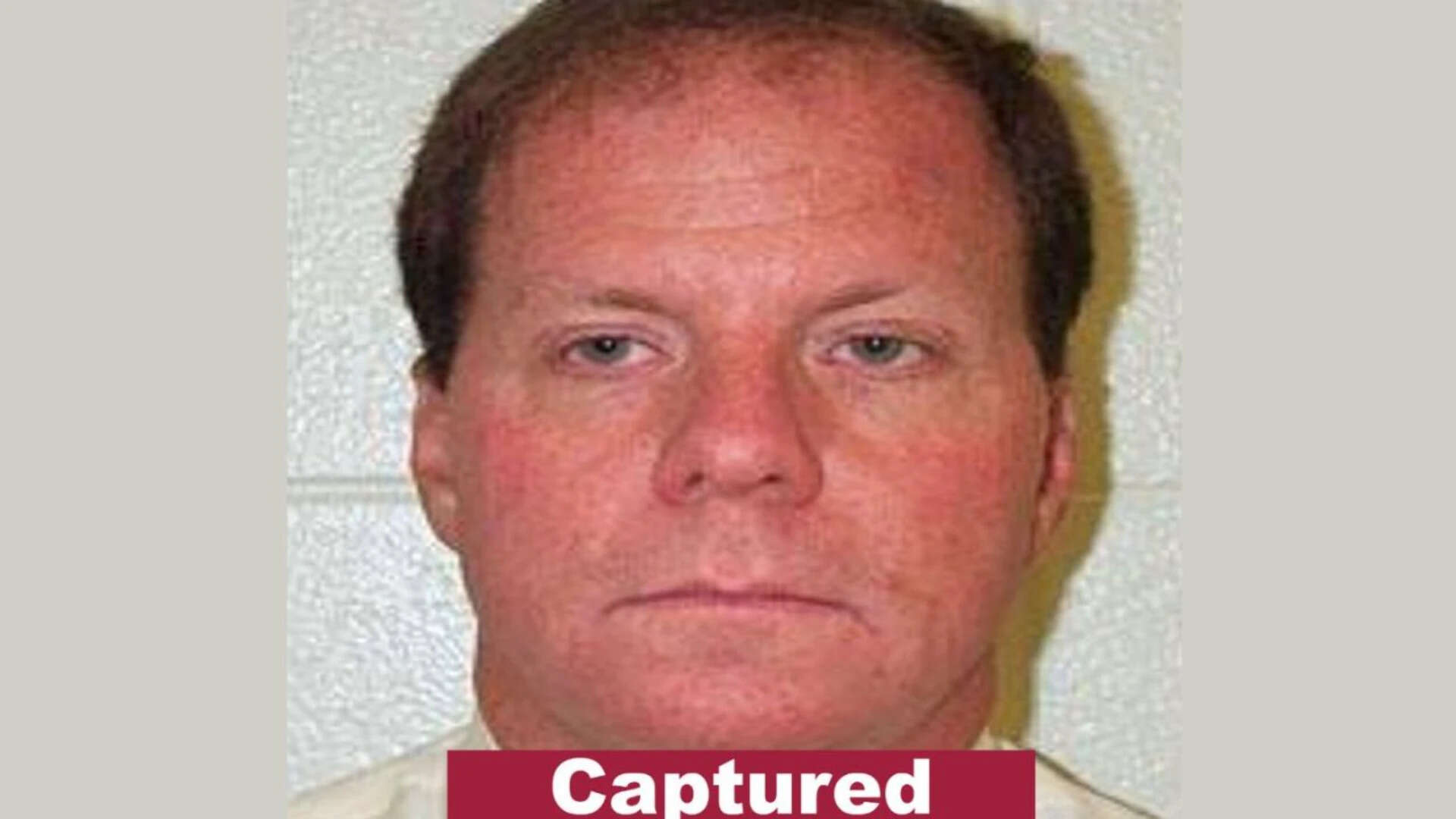
The sea has a strange way of swallowing secrets, keeping them hidden beneath the rhythmic, hypnotic rolling of the waves. For more than two decades, a 56-foot sailing vessel named The Silver Lining cut through coastal waters, its hull parting the white foam, seemingly just another playground for a wealthy man enjoying his twilight years. To anyone watching from the shoreline, the silver-haired gentleman at the helm looked like the picture of hard-earned tranquility. He was an experienced sailor, an anesthesiologist by trade, navigating the world with the quiet confidence of a man who knew exactly how to put pain to sleep.
But names on a transom can be painted over. Identities can be shed like old skin.
Underneath the crisp canvas sails, the man steering the vessel was not Richard Graydon, the name stamped on the boat’s registration. He was Ronald L. Fischer. And for twenty-one years, the open ocean wasn't just his hobby. It was his hideout.
Imagine the sheer, exhausting calculus of spending two decades looking over your shoulder. Every time a radar blip appears on the navigation screen, your chest tightens. Every time a law enforcement vessel cuts through the wake in the distance, your throat goes dry. You learn to live in the spaces between borders, using more than a dozen aliases, bouncing between coastal towns, perhaps even slipping across international waters into the Mediterranean, always moving before the concrete dries on your fake life. You become a ghost, a master of vanishing, all while your face flashes across television screens on America’s Most Wanted back in the country you abandoned.
Fischer’s flight began in 2005, right in the middle of a Newport, Rhode Island courtroom where he was standing trial for the first-degree sexual assault of a woman aboard his yacht two years earlier. Before the jury could return a verdict, he panicked. He sent a final email to his attorney, declaring that while he believed he would be acquitted, he simply wasn't willing to gamble his freedom on a verdict. He chose the horizon instead.
The court proceeded without him, convicting him in absentia. A judge hammered down a guilty verdict into an empty room. The victim was left with validation, but zero accountability. The man who had harmed her had simply dissolved into thin air, leaving behind a home littered with textbooks on how to conceal identities and set up offshore financial accounts. He had planned his exit down to the millimeter.
For the next twenty-one years, Fischer lived the ultimate paradox: absolute freedom on the open water, wrapped in the absolute imprisonment of constant paranoia.
Then came July 2026.
Justice is often depicted as a fast-moving lightning bolt, but in reality, it behaves much more like erosion. It is slow, relentless, and completely indifferent to the passage of time. The Rhode Island Violent Fugitive Task Force, working alongside FBI intelligence analysts, hadn't forgotten the empty chair in that Newport courtroom. A sudden surge of fresh, actionable intelligence cracked open a window that had been shut for two decades. Over a frantic 48-hour window, data was cross-referenced, leads were chased, and a digital net began to close around a ghost.
The tip pointed directly to the waters off the New York and New Jersey coastline.
A 45-foot U.S. Coast Guard Response Boat sliced through the ocean, carrying Deputy U.S. Marshals into the Atlantic. About an hour offshore, they spotted it: The Silver Lining. The wind was up, the sails were full, but the run was finally over.
When the law enforcement vessel pulled alongside the yacht, there was no dramatic shootout, no cinematic leap into the waves. At 70 years old, Ronald Fischer looked at the badges, looked at the uniform of the Coast Guard, and quietly surrendered. The illusion of his twenty-year escape shattered against the reality of a pair of steel handcuffs.
Federal authorities escorted the aging fugitive to Coast Guard Station Staten Island before transferring him to Manhattan. He faces an immediate future of federal charges for unlawful flight to avoid prosecution, alongside the heavy, decades-old sentence waiting for him back in Rhode Island.
For the investigators who inherited a cold case file from retired detectives, the arrest was a triumph of persistence. But for the survivor of his crime, the news carries a different kind of weight. For twenty-one years, she lived with the knowledge that the man who assaulted her was out there somewhere, breathing free ocean air, writing checks under dead men's names, and rewriting his own history.
Time does not erase what happened in the dark. It merely stretches the distance between the crime and the consequence, until the past finally catches up, riding on the bow of a police boat, an hour away from land.