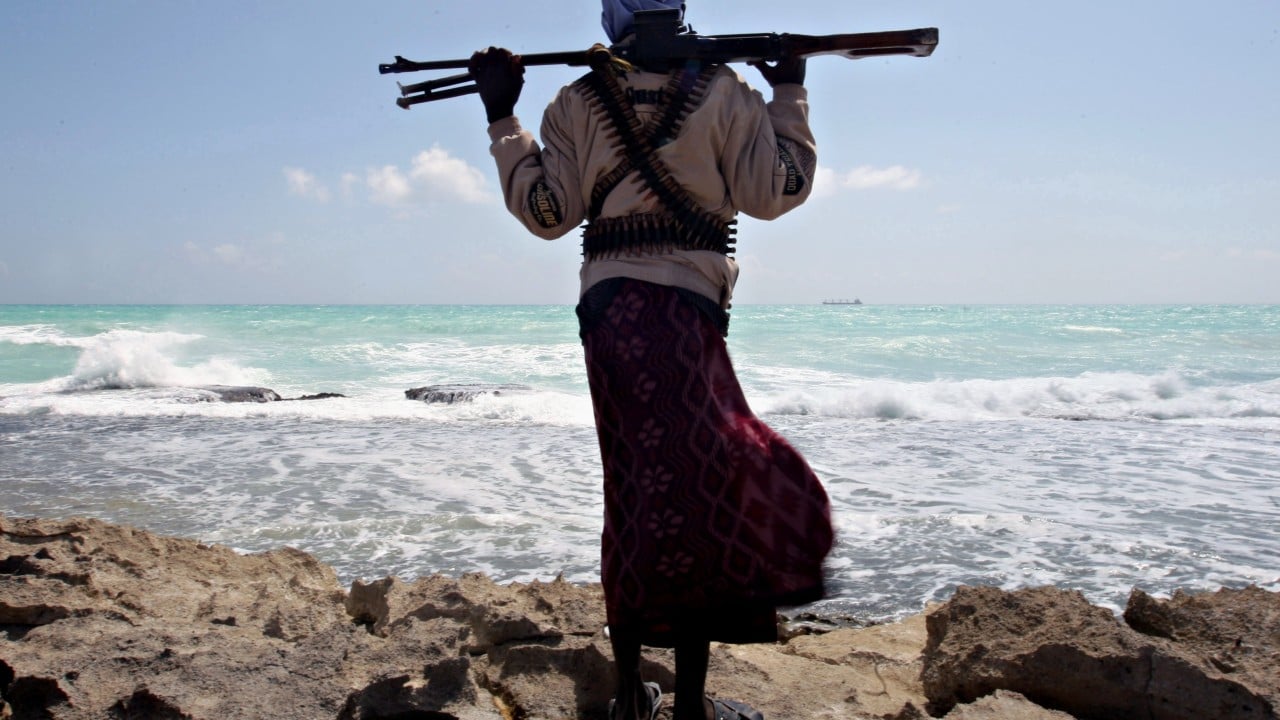
Everyone forgot about the Somali pirates. For the last couple of years, all eyes have been glued to the southern Red Sea and the Gulf of Aden for an entirely different reason: Houthi drones and ballistic missiles. The maritime security world shifted its focus to state-sponsored regional conflicts, assuming the old-school threat of AK-47-wielding clans in skiffs was a solved problem.
It isn't.
On Friday morning, July 17, 2026, a reminder arrived in the form of a small chemical products tanker named the Asana. While transiting east through the Gulf of Aden, roughly 65 nautical miles south of the Yemeni port of Al Mukalla, armed men managed to board the ship and seize total control.
If you've been tracking regional tensions, your first instinct was probably to blame Yemen's Houthi militia. But maritime intelligence agencies, including the British navy's United Kingdom Maritime Trade Operations (UKMTO) and private risk firms, quickly realized this wasn't another political drone strike. The tracking data told a completely different story. The Asana immediately altered its course, heading straight for Bosaso, a notorious port city in northern Somalia.
This is a classic Somali pirate hijack. And honestly, it shows exactly how vulnerable global shipping remains when the world gets distracted.
The Anatomy of the Asana Seizure
The hijack happened fast. The vessel, operated by Marshall Islands-based Exon Energy, issued a desperate distress call at around 06:20 GMT on Friday. Within minutes, the radio went silent.
What went wrong? The ship was an easy target. The Asana did not have an armed security team on board.
During the peak of Somali piracy over a decade ago, shipping companies learned the hard way that private maritime security companies (PMSCs) were the single most effective deterrent against boardings. If you have armed guards on the deck, pirates usually turn around. Without them, you're relying entirely on high speed and high railings. The Asana had neither. It's a small, low-freeboard commercial vessel, making it incredibly easy for a motivated pirate action group to hook a ladder over the side and take the deck.
International naval forces are currently scrambling to respond. An official with the European Union's Aspides naval mission confirmed that assets are converging, and a South Korea warship has already been dispatched to the area to monitor the situation. But once pirates are on board and holding the crew hostage, the calculus changes completely. A military rescue operation becomes highly dangerous, risking the lives of everyone in the crew.
The Dangerous Distinction Between Pirates and Houthis
It’s crucial to understand why this distinction matters for global trade. The Houthis are fighting a geopolitical war. Their goal is disruption, deterrence, and political leverage; they want to sink ships, fire missiles, and force Western fleets to back down.
Somali pirates don't care about politics. They care about cash.
A pirate action group operates on a commercial business model based on kidnap and ransom. They seize a hull, sail it into safe anchorage off the Somali coast, and dig in for months of intense negotiations with international insurance syndicates.
The terrifying reality right now is how these two separate threats interact. Because the global naval coalition—including the US-led Operation Prosperity Guardian and the EU's Aspides mission—is totally consumed by defending against sophisticated Houthi anti-ship missiles, the daily anti-piracy patrols in the wider Indian Ocean and Gulf of Aden have worn thin.
The pirates noticed. They waited for the international community to look away, and then they struck.
What Ship Operators Must Do Right Now
If you're managing commercial vessels transiting the High Risk Area, relying on luck isn't an option anymore. You can't assume that naval warships will arrive in time to save a vessel once an unauthorized boarding begins.
Reinstate Armed Security Teams
The Asana incident proves that saving money on private security is a catastrophic mistake. Every commercial transit through the Gulf of Aden and the western Indian Ocean must carry an onboard armed security detail until this specific pirate action group is neutralized.
Enforce Strict BMP5 Compliance
Vessels must rigorously apply the Best Management Practices to Deter Piracy (BMP5). This means maintaining an ultra-vigilant 24-hour lookout, rigging razor wire along the entire periphery of the deck, ensuring fire hoses are pressurized to repel boarding skiffs, and conducting regular drills so the crew knows how to retreat to a secure citadel within seconds of an alarm.
The hijacking of the Asana is a loud wake-up call for the maritime industry. The old threats haven't disappeared; they’ve just been waiting for the perfect moment to resurface.