You can hear the sound of heavy excavators biting into dried silt from miles away. Down in the valley, the air smells of wet earth, heavy diesel, and stagnant river water. When a catastrophic glacial collapse high on the Nepal-China border sent a vertical tsunami racing down the Trishuli and Bhote Koshi rivers, it didn't just wash away dirt. It turned multi-megawatt engineering structures into concrete tombs packed tight with slurry.
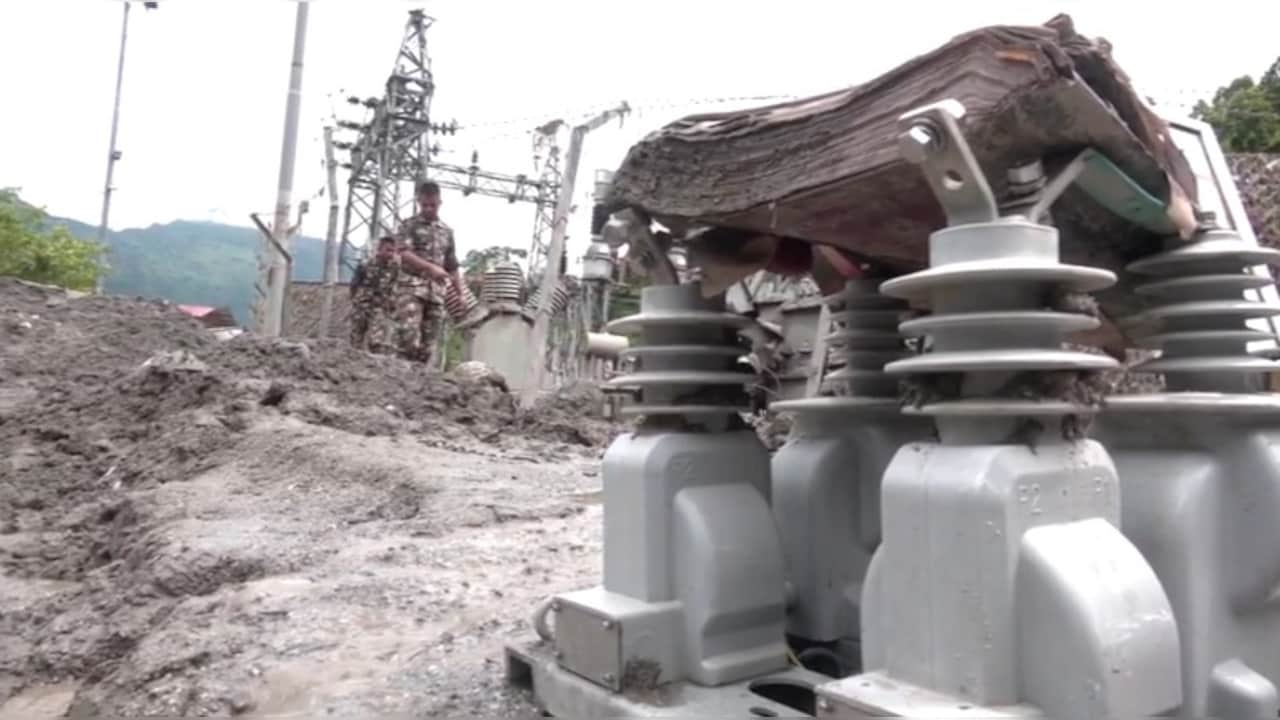
Walk inside a ruined facility like the Trishuli sites right now and you'll find soldiers standing ankle-deep in dense, grey muck. They aren't just clearing a mess. They are fighting a desperate, clock-racing extraction mission to reach workers cut off inside underground chambers.
The Reality Inside the Silt-Choked Tunnels
People talk about flash floods like they are fast-moving rainstorms. They aren't. In steep Himalayan gorges, a sudden debris flow acts like wet concrete. When the wall of water and ice crashed down from Langtang National Park, it carried millions of tons of rock and fine mud straight into intake gates and tunnel portals.
Inside the subterranean works managed by projects like Upper Trishuli-1 and Trishuli 3A, the impact was immediate and terrifying. Workers didn't drown in clear river water; they were entombed by an expanding plug of heavy slush that sealed tunnel exits entirely.
The physical environment inside these spaces is nightmarish for rescue teams:
- Zero Visibility: Flashlights cut mere inches through thick, particulate-laden air and wet mud.
- Structural Instability: Overhead concrete slabs crack under the immense weight of the shifted mountain mass above.
- Air Quality: Trapped pockets dwindle fast, turning oxygen management into the single biggest hurdle for survival.
Army engineers have had to resort to heavy drilling rigs, boring small access holes through meters of packed stone and debris just to pump fresh air down to anyone still breathing in the dark.
Why the Engineering Failed to Hold
Critics keep asking how modern infrastructure crumbled so fast. The truth is simple: human engineering builds for historical flood lines, not cataclysmic cryosphere failures. High-altitude climate shifts are destabilizing bedrock beneath glaciers faster than regional planners can update safety codes.
When a massive chunk of a glacier snaps off and registers as a seismic event, the resulting energy wave strips riverbanks bare. It scours out riverbeds by up to twenty meters, undercutting retaining walls that were supposed to withstand a hundred-year flood. Power stations along these corridors rely on open intake designs and long diversion tunnels. Those very tunnels acted like massive barrels, catching the slurry and funneling it deep into the heart of the infrastructure.
Over eleven separate power and solar stations went completely offline within minutes, knocking out a significant chunk of the nation's grid capacity. The economic toll is staggering, but the human cost inside those blocked tunnels hits harder.
The Grind of Recovery on the Ground
Back at the disaster zone, thousands of military personnel and specialized mountain rescue squads are working in shifts under harsh weather conditions. Heavy machinery tears into the banks, lifting massive boulders that look like marbles tossed by children.
Progress is agonizingly slow. Every time upstream rain swells the river even slightly, excavation pits flood with muddy runoff, forcing crews to pause and pump water out before they can drive another drill bit forward. Families wait anxiously behind police cordons, staring at lists of missing personnel while international experts bring in specialized life-detection gear.
This disaster leaves an undeniable warning for every mountain nation expanding green energy targets. Dams and run-of-the-river projects in narrow gorges are sitting ducks if early warning networks don't tie directly into automated gate shutdowns and rapid-evacuation protocols. Until policies shift to match the raw unpredictability of a warming cryosphere, these valleys will remain vulnerable to the next sudden thaw.