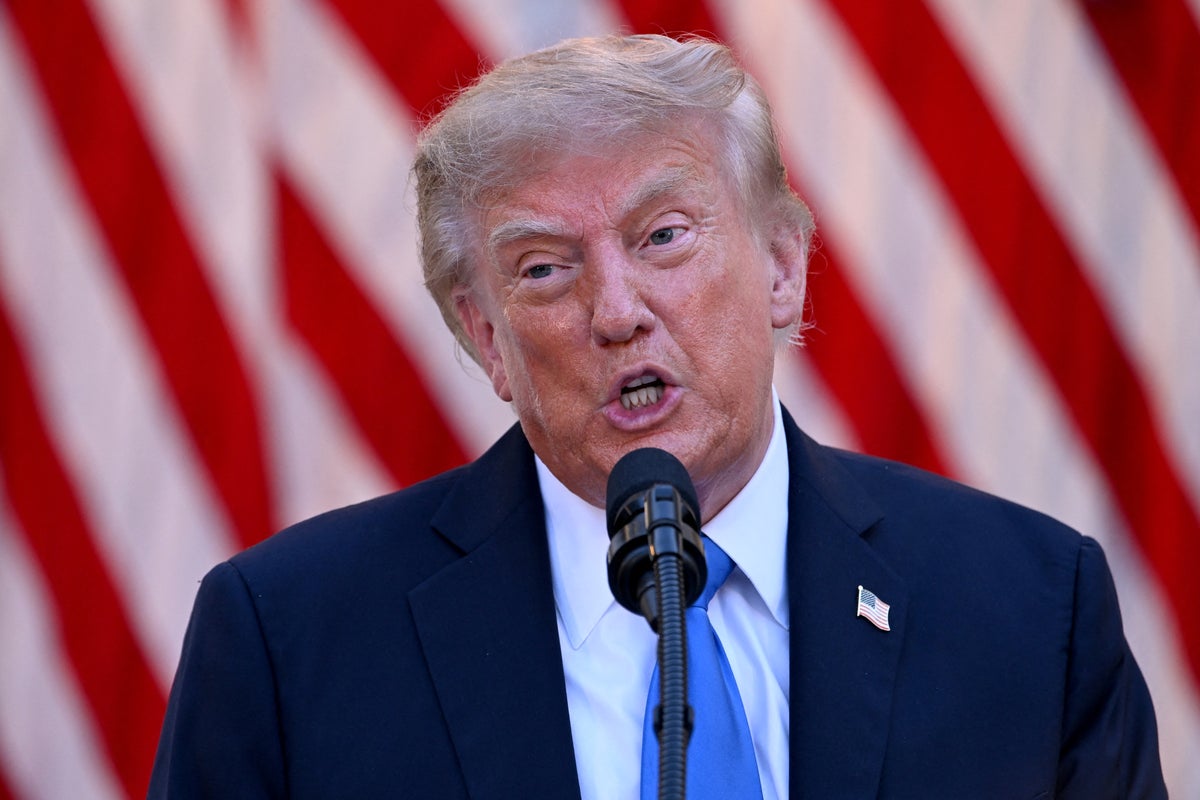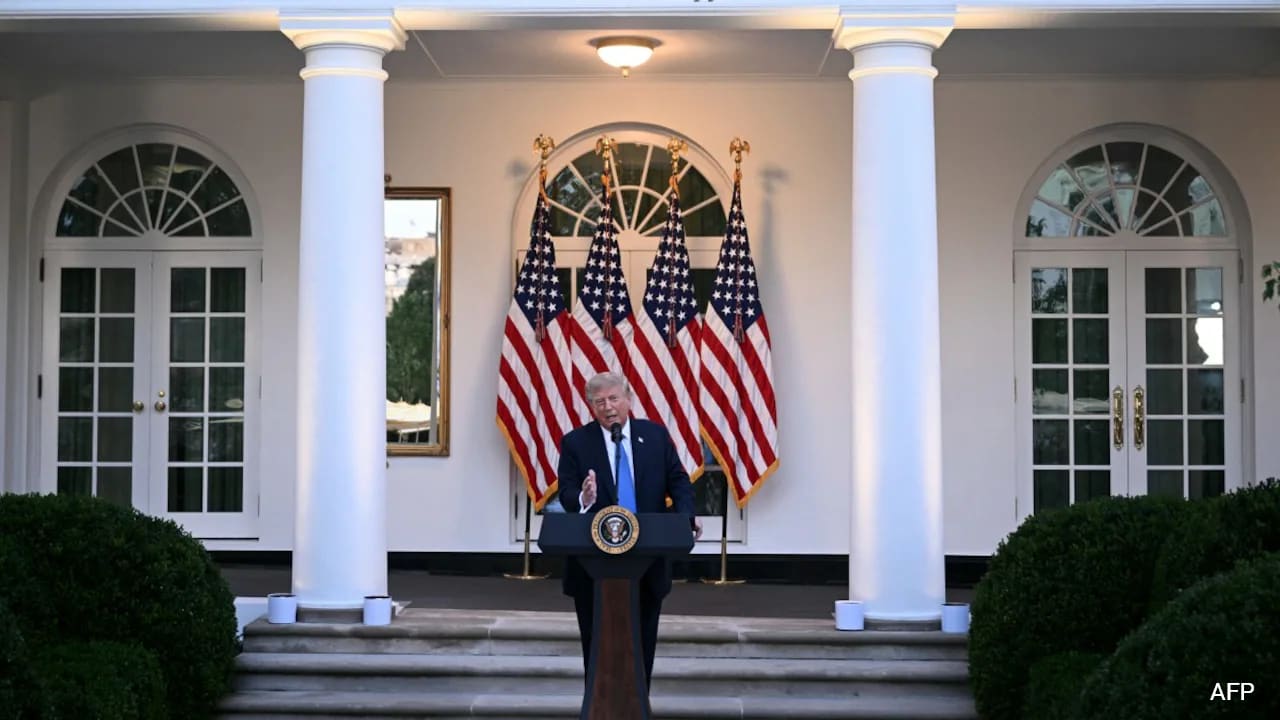
Donald Trump stepped into the Oval Office and offered a characteristically blunt assessment of American intelligence capabilities in the Middle East, declaring to reporters that Iranian officials "can't go to the bathroom without us seeing it." This provocative boast followed a heavy exchange of airstrikes that left dozens dead and reignited open conflict across the Strait of Hormuz. Beneath the brash rhetoric lies a more complex military reality. Intelligence, surveillance, and reconnaissance operations over sovereign nations rely on a layered architecture of satellites, high-altitude drones, and electronic intercept stations.
Yet claiming total omniscience serves a distinct psychological and tactical purpose during wartime escalation. It is designed to project absolute deterrence while masking the inherent blind spots that always plague modern aerial espionage.
The Anatomy of Modern Theater Surveillance
Achieving the level of oversight Trump described requires an intricate matrix of technical assets operating around the clock. Low-Earth orbit reconnaissance satellites provide persistent imaging, while geostationary listening posts intercept communications traffic across military and civilian networks. Unmanned aerial vehicles loiter high above critical infrastructure, streaming high-definition video feeds directly to command centers.
Consider a hypothetical scenario involving the construction of a coastal missile battery or radar installation near the Persian Gulf. Analysts do not simply watch a live video feed of a single site all day. Instead, automated change-detection algorithms flag shifts in pixel data across satellite archives, alerting human operators to new concrete pours, vehicle movements, or equipment staging.
This technological web is vast, but it is never seamless. Weather anomalies, atmospheric distortion, and the sheer volume of data create persistent vulnerabilities. Adversaries quickly learn how to exploit these gaps through electromagnetic discipline, subterranean tunneling, and camouflage nets designed to break up thermal signatures.
Strategic Messaging Versus Technical Reality
Public pronouncements from the executive branch regarding intelligence triumphs are rarely accidental. When a leader claims near-total visibility over an adversary like Iran, the objective is twofold. First, it demoralizes the opposing leadership chain by convincing them that their security protocols are compromised from within. Second, it justifies unilateral kinetic actions—such as preemptive strikes on near-completion radar systems—by framing them as products of infallible foresight.
Intelligence professionals view these sweeping declarations with caution. Total surveillance is a myth. Even the most sophisticated national security apparatuses struggle with interior spaces, encrypted communications, and decentralized command structures. The Iranian Islamic Revolutionary Guard Corps understands these limitations well, frequently utilizing fiber-optic landlines and dispersed, mobile units to evade electronic detection.
The Cost of Persistent Escalation
The friction between boasting about absolute control and managing a chaotic theater of war carries severe consequences. When the baseline expectation is set that no hostile movement can occur undetected, any successful retaliatory strike by the opposing side becomes deeply disruptive to the public narrative.
As long as the Strait of Hormuz remains a contested choke point for global energy supplies, the propaganda war will run parallel to the physical conflict. Precision munitions can destroy radar arrays and missile systems, but they cannot eliminate the political friction driving the confrontation. Technology provides the eyes, but strategy demands clarity on what comes after the smoke clears.
The technological edge provides a formidable advantage, yet it ultimately remains a tool rather than a substitute for political resolution. Surveillance can track a target across an open desert, but it cannot predict the shifting calculus of asymmetric warfare or prevent the cycle of retaliation from escalating further into the region.
Trump claims US has total surveillance over Iran
This video captures the exact moment President Trump made his sweeping claims regarding American surveillance capabilities over Iran during an Oval Office briefing.
http://googleusercontent.com/youtube_content/1