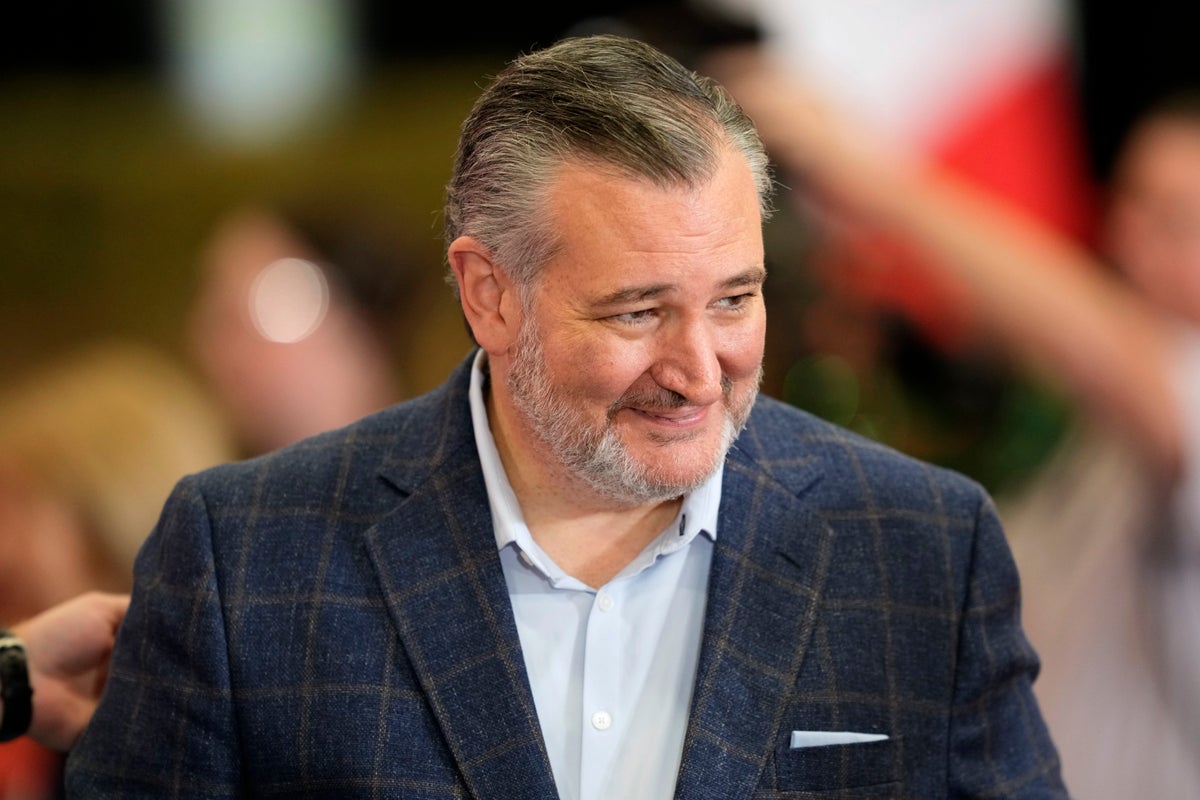
Texas Senator Ted Cruz has begun quietly sounding out prospective campaign staffers, laying the groundwork for a potential 2028 presidential bid that will test whether the pre-populist conservative wing still has a pulse in the modern GOP. While Vice President JD Vance occupies the early pole position for the nomination with the implicit blessing of Donald Trump, Cruz is betting that the exhaustion of factional loyalties and lingering policy debates over foreign intervention and economic orthodoxies will open a narrow lane for an institutional firebrand.
The machinery of a presidential campaign is never built overnight. Long before official announcements are broadcast from television studios, senators and governors deploy trusted aides to test the waters of donor liquidity, operational talent, and geographic infrastructure. Cruz understands this rhythm intimately. Having finished second to Trump in the brutal 2016 primary, the Texas lawmaker is operating with the distinct advantage of institutional memory. He knows where the Iowa caucuses are won and lost, which precinct captains remain politically active, and how to structure a fundraising operation that can survive a multi-candidate melee.
Yet the Republican Party that Cruz seeks to re-engage in 2028 is fundamentally transformed from the party he contested a decade ago. Populism, economic nationalism, and a deep skepticism of foreign entanglements have largely displaced the traditional Reagan-era conservatism that defined Cruz’s early career. Critics within the movement, including influential strategist Steve Bannon, have been quick to frame Cruz as a throwback to an older establishment order. That perception presents a formidable ceiling in a primary electorate that continues to measure candidates against the populist template established over the past decade.
To counter this structural disadvantage, Cruz is attempting to carve out distinct ideological terrain. On foreign policy, he has openly questioned emerging diplomatic maneuvers, such as the administration's memorandum of understanding with Iran, labeling it a flawed compromise. He frames the upcoming primary not as a coronation, but as an essential philosophical referendum. Whether the party chooses to lean fully into isolationist doctrines or maintain a posture of muscular international leadership is the precise debate Cruz wants to host. By forcing these arguments into the open via the podcast circuit, media appearances, and a newly released biography of Supreme Court Justice Clarence Thomas, he is keeping his name permanently affixed to the masthead of conservative thought.
The road ahead is cluttered with formidable obstacles. Chief among them is Vice President Vance, whose allies have openly dismissed the viability of a Cruz insurgency. Vance commands the loyalty of the party's populist base and enjoys the structural advantages of executive office. Furthermore, Cruz must contend with his own political history—moments of friction that continue to provide ammunition for online detractors and opposing camps alike.
For now, the senator maintains that his focus remains fixed on the legislative horizon and the upcoming midterms, insisting that official timelines for a white house pursuit belong to a later season. But behind closed doors, phone calls are being made, resumes are quietly reviewed, and the early architecture of a national campaign is taking shape in the capital.
Ted Cruz says 'there will be a time' to make a decision on a 2028 run for president
This video provides additional context regarding Senator Ted Cruz's recent remarks on national television concerning his potential timeline for the 2028 presidential campaign.
http://googleusercontent.com/youtube_content/1