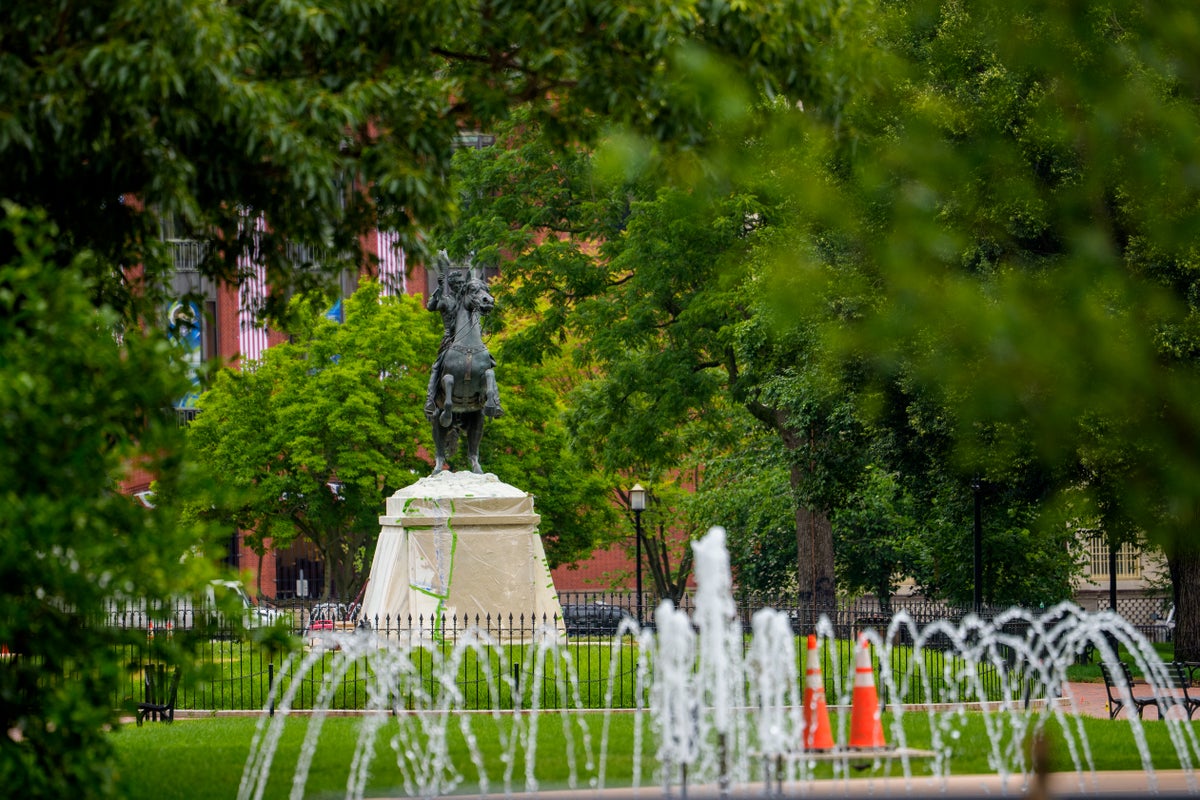
You can't fence off the front lawn of American democracy without a fight. The Trump administration is pushing forward with plans to erect permanent barriers around Lafayette Square and restrict pedestrian access along Pennsylvania Avenue near the White House. If you care about free speech, public access, or basic urban spaces in Washington, this proposal is a massive red flag.
For generations, Lafayette Park has served as the ultimate stage for public protest, dissent, and free assembly. It's where citizens gather to look directly at the executive mansion and demand accountability from whoever sits inside. Now, plans floated by the Secret Service and the administration aim to install permanent fencing and gates that can shut down pedestrian pathways entirely during periods deemed to have heightened security risks. Critics are furious, and honestly, you should be too.
The Mechanics of the Proposed Takeover
The blueprint involves putting up permanent barriers where Pennsylvania Avenue crosses 15th and 17th Streets NW. Temporary barricades have popped up here before during times of crisis, but making them permanent changes the fundamental relationship between the government and the governed. Alongside the street closures, the proposal backs eight-to-nine-foot permanent fencing around Lafayette Square itself.
Proponents frame this around safety. They point to persistent threats, civil unrest, and the need to protect federal property. But security arguments often mask an impulse to insulate leaders from the public view. When you wall off a historic public park, you send a clear message: the people belong on the outside.
Why This Battle Matters Right Now
This isn't happening in a vacuum. Over the past year, the administration has targeted other long-standing features of the presidential precinct, including the removal of the historic peace vigil tent that stood near the park for decades. Each incremental restriction chips away at the open character of the nation's capital.
Urban planners and former government officials have noted that these barriers will block tourists and local residents from getting any reasonable view of the White House. Organizations and cultural hubs operating along Pennsylvania Avenue, like the Renwick Gallery, face logistical headaches and diminished foot traffic. More importantly, activists lose a premier location to make their voices heard by the administration.
Pushing Back Against Restricted Access
If history teaches us anything, public space in Washington belongs to the public first. Oversight boards, preservation groups, and civil liberties organizations are mobilizing to challenge these design approvals. Protecting public access requires active pushback against administrative overreach disguised as routine facility management. Keep an eye on local planning commission hearings, support groups defending First Amendment rights in public squares, and make sure civic spaces don't quietly vanish behind locked gates.
A panel backs Lafayette Square fencing
This video details the recent commission panel developments regarding the proposed permanent barriers around Lafayette Square.


