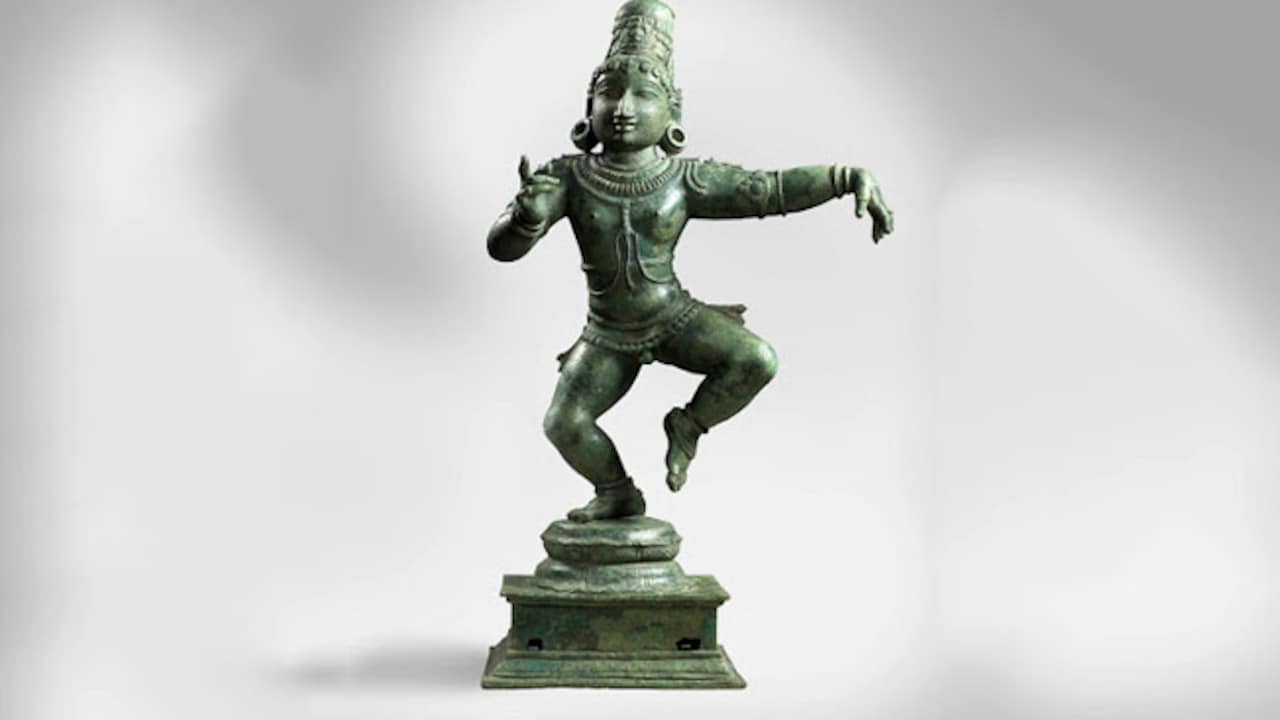
The debate over colonial plunder and illicit art trafficking just hit a massive turning point. Australia decided to repatriate three high-value ancient antiquities back to India. These aren't just decorative relics meant to sit behind glass cases under sterile gallery spotlights. They are sacred, living pieces of history stolen straight out of temples in Tamil Nadu.
For decades, elite Western institutions and wealthy collectors operated under a smug, self-serving logic. They convinced themselves that they were "safeguarding" global heritage. It was an unspoken rule of the high-end art world: once an object enters a major museum, it stays there. But the cultural tide shifted entirely. Holding onto stolen heritage is no longer seen as preservation. It is called what it actually is: theft.
Australia’s decision to send these specific pieces home shows that the old excuses don't hold up anymore. The global antiquities trade can no longer hide behind messy paperwork or pretend they bought items in good faith when the trail leads straight to temple looters.
The Paperwork Was a Sham
The specific items heading back to India include an 11th-century ceremonial bronze trident of Goddess Bhadrakali, a massive granite Nandi idol, and a detailed basalt sculpture of the six-headed deity Karthikeya. All three date back to the Chola period and were stripped from their spiritual homes.
Look closely at how these pieces ended up in the National Gallery of Australia (NGA) in the first place. The gallery bought them believing the elaborate backstories provided by dealers. For example, the granite Nandi idol came with a story claiming a Mexican diplomat had assembled the sculpture in Goa before it was passed down through a family inheritance. It sounded exotic, elite, and entirely legitimate.
It was completely fabricated.
An independent provenance review led by former High Court Justice Susan Crennan exposed the truth: the ownership chains were a mess of uncorborated lies. The paperwork didn’t prove legal export because legal export never happened. The Tamil Nadu Idol Wing CID eventually proved that these items were illicitly hacked away from local temples and smuggled out of the country.
This isn't an isolated incident. It’s the standard operating procedure for international smuggling rings. Outfits run by convicted dealers like Subhash Kapoor spent years feeding stolen goods into prestigious institutions by faking ownership histories. They targeted regional temples, bribed local lookouts, ripped the gods from their pedestals, and shipped them overseas disguised as mundane furniture or cheap garden decor.
Why History Belongs to Its Geography
The common defense from Western curators used to be simple: "We protect these items better than their home countries can." It’s an arrogant argument rooted in old colonial mindsets.
When you take a sacred idol out of an active temple and stick it in an art museum in Canberra, London, or New York, you kill its context. It is no longer a living object of worship; it becomes a sterile trophy of conquest or wealth. Activist groups like the India Pride Project have spent years pushing a clear message: history belongs to its geography.
Stolen Artefact Repatriation Pipeline:
[Looted Local Temple] → [Illicit Smuggler Network] → [Fake Provenance Papers] → [Foreign Museum Acquisition] → [Investigation & Legal Push] → [Restitution Home]
Museums aren't doing India a favor by returning these items. They are simply returning stolen property. If you buy a luxury car that turns out to be stolen, you don't get to keep it just because you really like driving it and have a nice garage. The same rules apply to ancient art.
The Hypocrisy of the Global Museum Elite
While Australia is making real strides to clean up its national collections, other nations remain stubbornly defensive. The British Museum, for example, sits on thousands of looted objects while hiding behind outdated laws that prevent them from permanently clearing out stolen goods from their inventory. They offer "long-term loans" instead of true ownership returns. Think about how insulting that is: offering to loan a community its own stolen heritage.
Australia’s willingness to cooperate under the Mutual Legal Assistance Treaty (MLAT) shows that diplomatic and legal pressure works. When governments stop treating antiquities theft as a minor bureaucratic issue and start treating it as a serious criminal offense, things move quickly.
The financial incentive for museums to look the other way is disappearing. Nobody wants the public embarrassment of having the police turn up to seize their star exhibits.
Checking the Receipts
If you are an art collector, museum curator, or even a tourist purchasing high-end antiques, you have a responsibility to look past the glossy brochures. The era of blind buying is over.
- Demand Pre-1970 Documentation: The 1970 UNESCO Convention is the benchmark. If an object magically appeared on the market after 1970 with no clear, verifiable history of where it sat for the previous fifty years, assume it's hot.
- Cross-Reference Seizure Databases: Check items against international databases of stolen art and law enforcement watchlists before negotiating a price.
- Audit Existing Collections: True institutional transparency means running independent, external audits on acquisitions rather than waiting for an activist group or foreign police force to call you out.
The momentum is firmly with the countries trying to reclaim their past. The return of the Chola bronzes and granites isn't the end of the story; it's a blueprint for how every single piece of illicitly acquired heritage worldwide should be handled. It's time to stop making excuses for the global trade in stolen gods and send them back to the communities that built them.