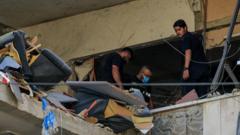
Playing with fire near a nuclear wasteland is a special kind of reckless. At roughly 2:10 a.m. on June 7, 2026, a Russian Shahed attack drone slammed directly into a building inside Ukraine's Centralized Spent Nuclear Fuel Storage Facility. The target sits just nine miles from the infamous Chornobyl nuclear power plant.
Let's clear up the immediate panic first. Radiation levels are stable. Nobody died. The state nuclear operator, Energoatom, confirmed the blast sparked a 40-square-meter fire that emergency crews quickly put out.
But don't let the lack of a radioactive cloud fool you into thinking this wasn't a massive deal. The International Atomic Energy Agency (IAEA) reported that the drone heavily damaged the container reception building, blasting out doors and windows just meters away from where massive amounts of highly radioactive spent nuclear material are housed.
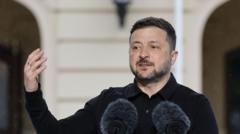
Ukrainian President Volodymyr Zelenskyy called it a deliberate, "extremely vile" hit. He isn't wrong about the intent. This wasn't a stray drone getting lost in the dark. It looks a lot like a calculated message from Moscow, and the timing tells the whole story.
Decoding the Moscow Message
You have to look at the broader map to understand why this happened last night. Just hours before the Chornobyl strike, Ukrainian long-range drones successfully hit the historic Russian naval town of Kronstadt, right near St. Petersburg. That attack landed a heavy psychological blow, timing up perfectly with the conclusion of Russia's high-profile St. Petersburg Economic Forum.
Russia's defense ministry claimed it knocked down 500 Ukrainian drones over a 24-hour window, but the Kremlin was clearly rattled. They explicitly threatened to hit back at critical Ukrainian targets.
Targeting a spent fuel repository is Moscow's way of reminding Europe how fragile its safety net really is. It's atomic blackmail without actually detonating a weapon. By striking the reception facility, Russia caused significant structural damage while narrowly avoiding the actual fuel casks. They proved they could hit the bullseye if they wanted to.
This isn't an isolated mistake. Back in February 2025, another Russian drone cracked the outer shell of the New Safe Confinement structure right over Chornobyl's destroyed Reactor 4. The patterns show that Moscow treats these highly sensitive exclusion zones as viable chess pieces in their campaign to break Ukraine's energy grid.
The Reality of Spent Nuclear Fuel Risks
People often confuse spent fuel storage with active reactors. They aren't the same, but the danger is real. The facility hit last night is Ukraine's centralized hub, designed to safely store radioactive waste hauled in from the country’s remaining operational nuclear plants.
When a reactor finishes using nuclear fuel, that material remains incredibly hot and highly toxic for thousands of years. It gets packed into specialized, heavily shielded concrete and steel dry casks.
The building that took the direct hit last night was the container reception area. Energoatom reported that it was empty of fuel casks at the exact moment of the strike. That's the only reason we aren't talking about a major local contamination event right now.
If a high-explosive drone warhead managed to crack open a fully loaded cask, you wouldn't get a Chornobyl 1986-style explosion. There is no active reactor core to blast material high into the stratosphere. Instead, you'd get a dirty bomb effect. The conventional explosion would shred the radioactive metal inside, scattering toxic dust across the immediate landscape. Cleanup would be a nightmare, and the exclusion zone would become even more deadly for the workers managing it.
What Happens Next
International outrage is already building, but honestly, statements don't fix a broken roof or stop the next swarm of loitering munitions. Zelenskyy is headed to London today for a high-level summit with Western leaders, including UK Prime Minister Keir Starmer and French President Emmanuel Macron. You can bet this strike tops his agenda.
If you're watching this situation unfold, expect these immediate steps to play out over the coming days:
- IAEA Inspections: Expect Rafael Grossi's agency to rush an expert team to the site within the next 48 hours to assess the structural integrity of the surrounding storage pads.
- Air Defense Realignment: Ukraine will likely have to shift scarce air defense assets back toward the exclusion zone, potentially leaving other civilian energy grids vulnerable.
- Diplomatic Pressure: Ukrainian Foreign Minister Andrii Sybiha is already pushing for stricter international sanctions specifically targeting Russia's state nuclear firm, Rosatom.
The Kremlin's gamble shows that the old rules of engagement around nuclear facilities are completely gone. Keeping the lights on in Ukraine is hard enough, but keeping the old ghosts of Chornobyl contained is turning into a weekly battle.