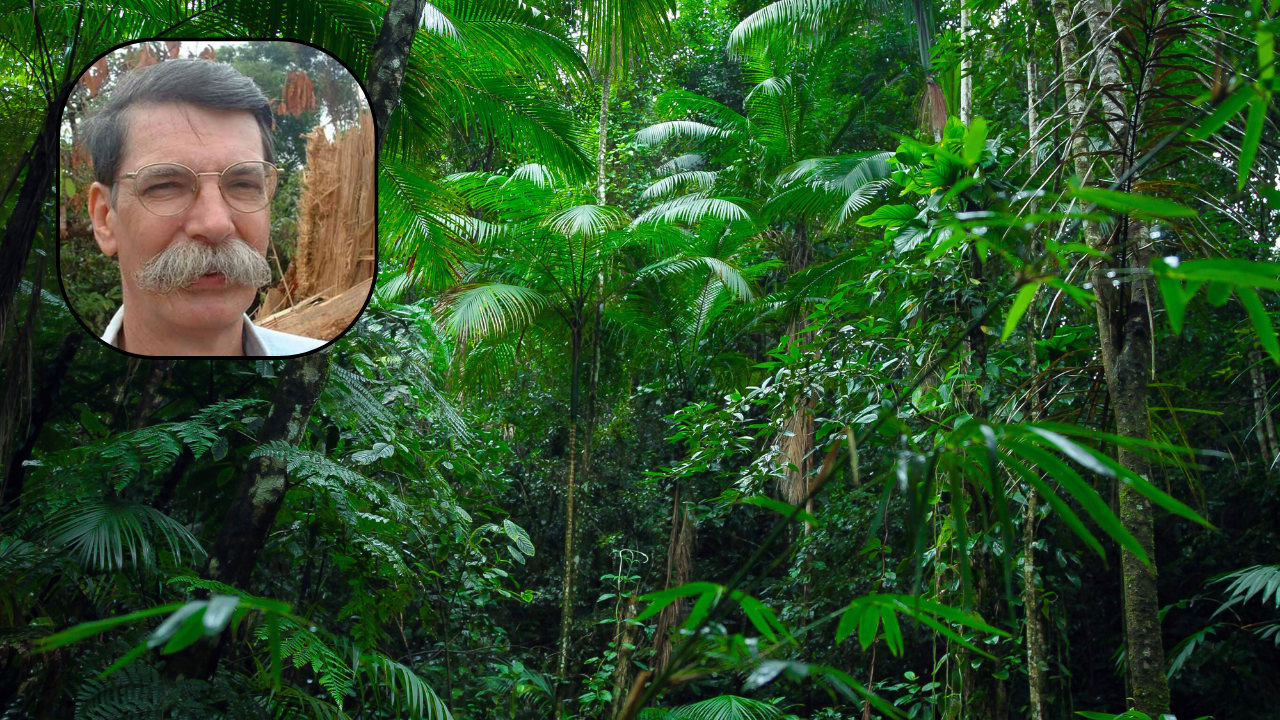
If you want to understand how a tropical rainforest gets dismantled piece by piece, you do not look at satellite photos from space. You listen to scientists who spent decades watching the chainsaws arrive. Philip Fearnside has spent fifty years living and working in Brazil, calculating the exact human and environmental cost of opening up the Amazon basin. While politicians and developers praised highways and mega-dams as milestones of national progress, Fearnside mapped out why those projects usually backfired. His research exposes uncomfortable truths about how short-term greed consistently trumps long-term survival.
The Highway Trap That Started It All
Back in the 1970s, the Brazilian military government launched a massive campaign under the banner of integrating the frontier. The centerpiece was the Trans-Amazonian Highway, a muddy scar cut through pristine wilderness. Fearnside moved right into the agricultural settlements near Altamira to see what actually happened when families were dumped into the jungle.
The reality was brutal. Settlers quickly realized the soil was nutrient-poor and difficult to farm sustainably. To survive and secure legal claims to the land, they had to clear more forest for low-yielding cattle pasture.
Roads do not just connect places; they invite chaos. A paved strip might look small on a map, but it acts as a spine for a skeleton of illegal side roads. Loggers, land speculators, and squatters use those entry points to carve up the surrounding forest in a classic fishbone pattern. Fearnside tracked how these access routes transformed resilient ecosystems into fragmented patches of degraded land.
Why Tropical Dams Are Not Clean Energy
For decades, government planners sold hydroelectric dams as green alternatives to fossil fuels. Fearnside tore that argument apart with hard data.
When you build a shallow dam in a flat tropical rainforest, you do not clear the trees first. You flood them. Submerged vegetation rots under low-oxygen conditions, releasing massive amounts of methane and carbon dioxide into the atmosphere. During the first few decades of operation, poorly designed reservoirs like Balbina emitted greenhouse gases at rates that rivaled or exceeded coal plants.
Public opinion hated him for it. Environmental groups in the 1980s initially embraced hydro projects as clean energy, making Fearnside's stubborn focus on gas fluxes deeply unpopular. Yet he kept publishing the math. He proved that measuring a dam only by its megawatt output ignores the massive ecological footprint of the surrounding infrastructure and displaced communities.
Land Speculation Drives the Machine
Most people assume the Amazon is being cleared to feed the world or supply global beef markets directly. Fearnside showed that clearing land is often less about agriculture and more about real estate speculation.
In many parts of the basin, cutting down trees is the legal requirement to prove you own the dirt. Ranchers clear primary forest, throw a few skinny cows on it, and wait for land values to rise so they can flip the property. Government amnesty programs and land regularization policies end up rewarding illegal invasions, creating a relentless incentive to keep cutting.
When Fearnside spoke out against repaving the controversial BR-319 highway connecting Manaus to Porto Velho, angry crowds booed him and politicians tried to cut off his microphone. Critics yelled that an American scientist had no business telling South Americans how to manage their territory. But his warnings were never about politics. They were based on five decades of watching the exact same script play out across the region.
What the Next Decade Requires
If you want to support genuine preservation efforts, stop falling for greenwashed infrastructure pitches. Protecting the Amazon requires shutting down illegal road expansion, halting land-titling amnesties for land grabbers, and pricing the true carbon cost of deforestation into global markets. Listen to the researchers who measure the decay on the ground instead of the bureaucrats selling the development dream.