The international press is currently high on a narrative it desperately wants to believe. Headlines claim that the explosive sexual abuse allegations rocking the Bhirombhakdi family—the $1.75 billion dynasty behind Thailand’s ubiquitous Singha beer—have ignited a historic public reckoning.
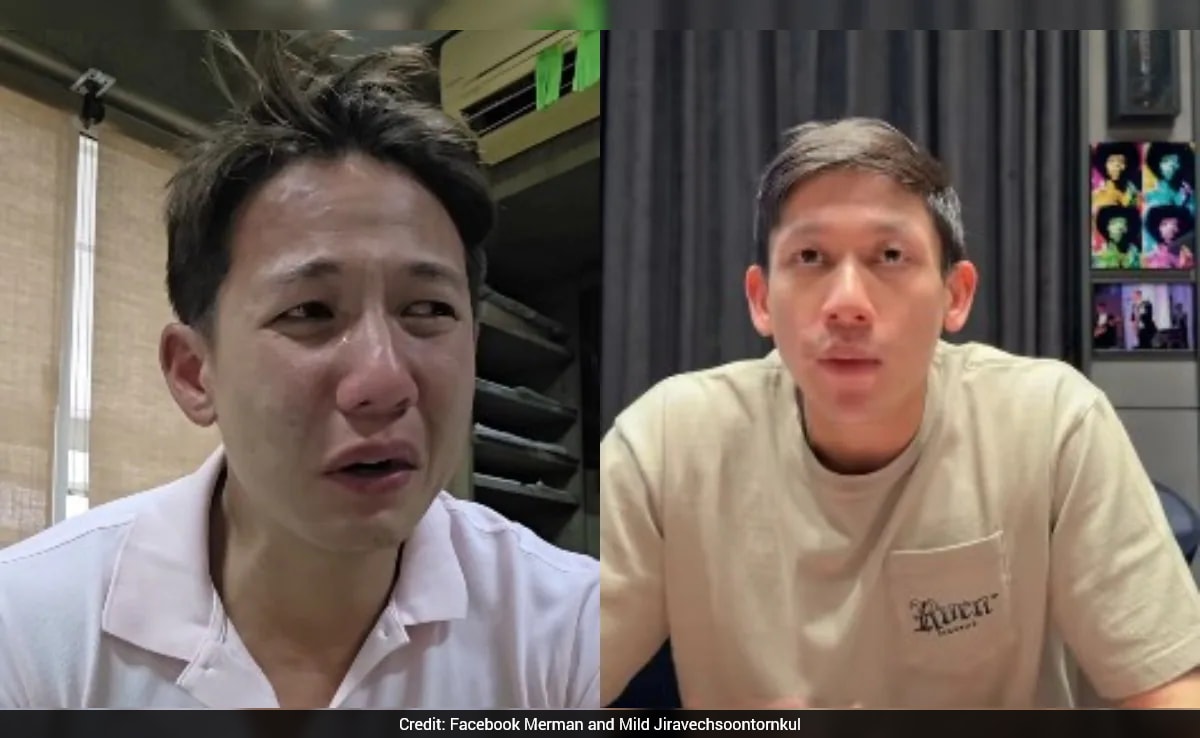
The mainstream consensus goes like this: environmental activist Siranudh "Psi" Scott posted a tearful Facebook video accusing his older brother Sunit of teenage-era sexual abuse. The parent company, Boon Rawd Brewery, swiftly axed Sunit from his executive duties. Other prominent figures are now sharing their own stories. Therefore, the commentators cheer, Thailand is finally having its delayed #MeToo awakening, shattering the long-standing protection traditional oligarchies enjoy.
This reading of the situation is profoundly naive. It mistakes a calculated, modern crisis management playbook for a genuine structural shift in societal justice.
What just happened at Boon Rawd Brewery was not a moral victory or a sign that the Thai legal system is suddenly holding the elite accountable. It was a cold, transactional PR intervention designed to isolate a brand asset from a radioactive liability. Western media looks at a corporate termination and sees social revolution; insiders look at it and see a highly effective corporate quarantine.
The Illusion of Corporate Enlightenment
To understand why this is a mirage, look closely at the timing and the execution of the corporate response. Sunit was not removed because the underlying facts of the abuse suddenly came to light internally. Siranudh openly admitted that senior members of the family had listened to an audio recording confronting his brother about the abuse years ago. The family’s initial reaction? Silence, inertia, and eventually, a financial payout to keep the matter quiet, alongside a separate inheritance lawsuit filed against Siranudh by his own mother.
The dynasty did not act when the abuse occurred. They did not act when the tape was recorded. They only acted when a Facebook video reached 625,000 followers and triggered a trending hashtag that threatened the consumer brand equity of Singha beer.
When Boon Rawd Brewery CEO Bhurit Bhirombhakdi signed the dismissal letter, it was a fiduciary duty, not an ethical crusade. In highly consolidated markets like Thailand, where a handful of hyper-wealthy families control vast swaths of consumer goods, real estate, and hospitality, public goodwill is a critical shield against regulatory scrutiny and consumer boycotts. Sunit was dismissed "until the matter is clarified" precisely to sever the link between a private family trauma and the corporate bottom line.
I have seen conglomerates spend millions executing this exact maneuver: cut the limb to save the corporate torso, issue a press release expressing "deepest regret," and wait for the news cycle to churn. It is standard reputational risk mitigation, yet it is being praised as an unprecedented cultural turning point.
Why Social Media Exposure Exploits a Broken System
The global praise for this "reckoning" ignores a darker, systemic reality: justice in Thailand remains a luxury item accessible primarily to those who already wield immense social leverage.
The mainstream narrative celebrates Siranudh’s video as a triumph of public courage. It was courageous, but the structural reality is that the public believed him because he is a billionaire scion with a massive digital platform, verified status, and a high-profile career as an environmental activist.
Imagine a scenario where an ordinary citizen, working a low-wage job in rural Thailand, attempts to bring similar allegations against a powerful regional boss or a family member. They do not have 625,000 followers. They do not have access to premier crisis management legal counsel. They face severe criminal defamation laws that are routinely used by corporations and wealthy individuals to silence critics and victims alike.
In Thailand, truth is not an absolute defense against a defamation charge if the court deems the public disclosure unnecessary or harmful to a reputation. By framing this specific, high-society exception as a generalized #MeToo blueprint, commentators are selling a dangerous lie to vulnerable victims who do not possess the class armor necessary to survive the legal retaliation that follows public whistleblowing.
The Actionable Pivot Facing Activism
The conversation around this scandal is focused entirely on the wrong metric. Media outlets are counting the number of supportive comments and secondary disclosures from other influencers on social media as proof of progress. This is empty sentimentality. Viral engagement does not equal systemic reform.
If this moment is to yield anything beyond a temporary drop in Singha’s weekly brand sentiment tracker, the focus must shift entirely from corporate HR offices to the mechanics of Thai institutional law.
- Repeal Criminal Defamation Shields: True institutional accountability is impossible as long as the elite can weaponize criminal defamation statutes to tie victims up in endless litigation.
- Abolish Informal Compensation Settlements: The reliance on private, internal family arbitration and financial payouts for criminal acts must be aggressively challenged by state prosecutors, ensuring that corporate internal findings are automatically referred to independent judicial bodies.
- Build Non-Corporate Protection Infrastructure: Support structures for survivors must be completely decoupled from the influence of family-owned conglomerates, which naturally prioritize corporate continuity over personal restoration.
The corporate execution of Sunit Scott was a masterclass in brand protection, not an awakening of corporate conscience. True disruption does not happen when a billionaire CEO fires his cousin to protect a beer label; it happens when the system ensures that a family name offers no protection from the law in the first place.