The global transition toward electric vehicles and wind energy runs directly through the blood-soaked hills of northern Myanmar. When the country’s military junta launched a aggressive multi-front offensive targeting the borderlands of Kachin, Chin, and Karen states, the objective was not merely territorial pride or political survival. The junta is fighting to retake control of a remote strip of land that supplies roughly half of the global supply of heavy rare earth elements, the foundational materials for high-tech clean energy infrastructure. Without these minerals, the international supply chain for green technology collapses.
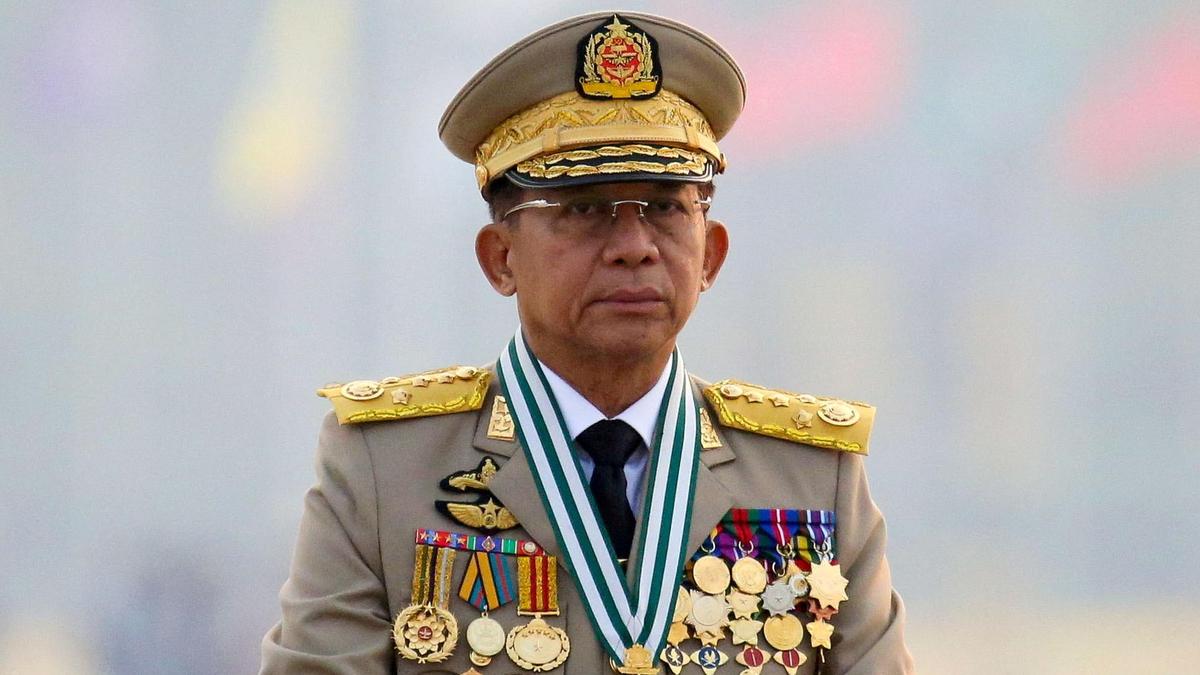
Following a leadership shakeup that placed General Ye Win Oo in charge of military operations, the Tatmadaw has abandoned defensive postures in favor of a scorched-earth campaign to secure critical border arteries. This sudden pivot exposes the underlying reality of the conflict: Myanmar’s civil war has evolved from a domestic struggle for democracy into an economic resource war with severe geopolitical implications for Beijing, New Delhi, and global tech manufacturers.
The Mineral Chokepoint of Chipwi and Pangwa
The true geopolitical epicenter of the conflict sits in the townships of Chipwi and Pangwa. Tucked away in the mountains of northern Kachin State along the Chinese border, this territory produces the bulk of Myanmar’s dysprosium and terbium, heavy rare earths indispensable for the permanent magnets powering electric vehicle motors and wind turbines.
In October 2024, the Kachin Independence Army seized these mining hubs, severing the junta’s access to hundreds of millions of dollars in export revenues. Since then, the conflict economy has sustained the resistance, with Myanmar exporting an estimated $620 million worth of rare earths to China in 2025 alone.
The loss of this revenue stream pushed the military regime to the brink of financial insolvency. By launching a counter-offensive to retake the Mandalay-to-Myitkyina highway, the junta is attempting to isolate the armed group and secure the logistics corridors leading to the mines. The resistance remains dug in. Naw Bu, a spokesperson for the Kachin Independence Army, clarified the stakes cleanly, stating that defenses have been fortified around the mining towns and that the group will welcome advancing junta forces with the barrels of their guns.
The Triple Border Strategy
The offensive extends far beyond the rare earth mines of Kachin. The military is executing a synchronized strategy to squeeze ethnic armed organizations across three separate international borders.
| Border Region | Target Area | Strategic Significance |
|---|---|---|
| China Frontier (Kachin State) | Chipwi, Pangwa townships | Control of heavy rare earth extraction and mining revenue |
| India Frontier (Chin State) | Falam, Tonzang towns | Disruption of resistance logistics and cross-border supply lines |
| Thailand Frontier (Karen State) | Myawaddy-Kawkareik highway | Dominance over the primary commercial trade gateway |
In western Chin State, heavy aerial bombardments forced resistance fighters into a strategic retreat from the towns of Falam and Tonzang. By reclaiming this rugged territory adjacent to India, the junta intends to choke off the informal supply networks that provide medical aid and non-lethal logistics to opposition forces.
Concurrently, on the southern front in Karen State, the military has intensified operations along the Myawaddy-Kawkareik highway. This road serves as the primary overland trade conduit between Myanmar and Thailand. The Karen National Union has fought bitterly to hold this corridor since 2024, recognizing that whoever controls the asphalt controls the economic heartbeat of lower Myanmar.
The Shadow of Beijing and the Border Trade Illusion
The underlying catalyst for this sudden military urgency is pressure from neighboring powers, particularly China. For years, Beijing has viewed the instability on its southern border with growing agitation. The widening gap in trade reporting data, which reflects more than $45 billion in discrepancies since the 2021 coup, highlights the massive scale of the illicit border economy.
While former junta chief Min Aung Hlaing publicly demanded that resistance groups enter peace negotiations, the ultimatum was widely dismissed as a stall tactic. The military’s actions on the ground reveal the true plan. The Tatmadaw is not seeking a political compromise; it is attempting to achieve leverage through force before a proposed 100-day deadline expires.
The environmental cost of this resource grab is devastating local ecosystems. Unregulated, toxic chemical leaching at the rebel-held mining sites in Chipwi now directly threatens the N’Mai Kha River, a primary tributary of the Irrawaddy River. Yet neither the junta nor the ethnic armies can afford to halt operations. The minerals are too valuable, and the war is too expensive.
The international community has largely viewed the Myanmar conflict through a humanitarian lens. That perspective overlooks the hard economic reality. The fight for Kachin and the surrounding borderlands is a battle for the raw materials of the next century. As long as global green technology depends on a volatile, war-torn corner of Southeast Asia for its essential components, the price of clean energy will continue to be paid in blood.