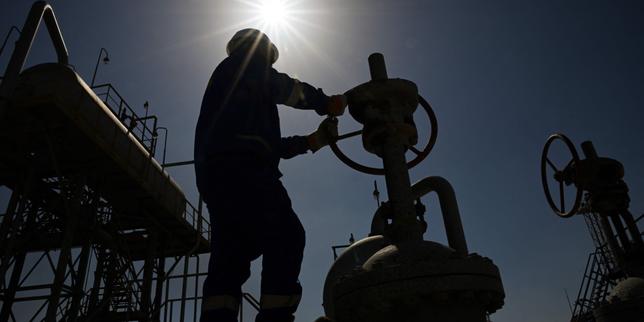
Inflation isn't just a number on a central bank spreadsheet anymore. It's a physical force. If you've walked through a supermarket in Paris, tried to book a flight from Berlin, or managed a factory floor in Milan lately, you’ve felt the heat. We aren't just dealing with "high prices." We're witnessing a fundamental rewiring of how European businesses survive. The shockwaves started with energy but they’ve traveled through supply chains like a pulse, hitting sectors that thought they were safe.
The European Central Bank (ECB) spent years trying to spark a little bit of inflation. Now, they're desperately trying to douse the flames. But the fire's already spread. It's moved from the "volatile" stuff like gas and oil into "core" inflation—the price of your haircut, your software subscription, and your morning croissant. This shift is dangerous because core inflation is sticky. Once wages go up and service providers bake higher costs into their contracts, prices don't just "fall back" when energy gets cheaper. Recently making waves recently: The Strait of Silence and the Price of Posturing.
The Brutal Reality for European Manufacturing
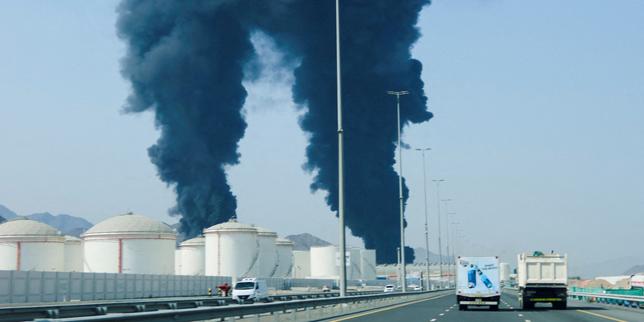
Germany’s industrial engine is sputtering, and it’s not just a temporary glitch. For decades, the European business model relied on cheap energy. That era ended abruptly. When the cost of electricity and gas spiked, heavy industries like chemicals, steel, and glass-making faced a choice. They could either eat the costs and go bankrupt or pass them on and lose customers.
Basf, the chemical giant, had to shut down several plants in Ludwigshafen. That’s a massive signal. If the biggest players are retreating, the smaller ones are drowning. It’s a domino effect. If a chemical plant closes, the price of the plastics they produce goes up. Then the company making medical devices or car dashboards has to pay more. They pass that cost to you. More information into this topic are detailed by CNBC.
We’re seeing a trend of "de-industrialization." Some companies are moving production to the US or China where energy is cheaper or subsidies are higher. This isn't just about inflation; it’s about the long-term survival of Europe’s middle class. Without a strong manufacturing base, the European economy becomes a shell of itself.
Retail and the Death of Brand Loyalty
Inflation has turned us all into bargain hunters. In Spain and Italy, shoppers are ditching big-name brands for "white label" store brands at a record pace. This is a nightmare for consumer goods companies like Unilever or Nestlé. They’ve spent billions on marketing to make you feel an emotional connection to their detergent. Inflation broke that bond.
Retailers are caught in a pincer movement. Their own costs—rent, labor, transport—are rising, but they can’t raise prices too much or they’ll lose the few customers they have left. This is why you see "shrinkflation" everywhere. Your favorite chocolate bar is smaller, but the price stayed the same. It’s a sneaky way to hide inflation, and honestly, people are starting to notice and get angry.
The Service Sector Trap
Services make up the bulk of the Eurozone economy. This is where inflation gets personal. Think about restaurants. A bistro in Lyon isn't just paying more for butter and steak. They’re paying more for the dishwasher’s salary because the dishwasher can’t afford rent.
Unlike a factory, a restaurant or a hair salon can’t automate away its problems easily. They need humans. When humans need higher wages to survive inflation, the business has to hike prices. This is the "wage-price spiral" economists fear. In countries like Belgium, where wages are indexed to inflation, this happens automatically. It keeps people's heads above water, but it also keeps inflation high for longer.
Transportation and the High Cost of Moving Anything
Moving goods across the continent has become a logistical headache. Trucking companies are facing a shortage of drivers and skyrocketing fuel costs. Even as oil prices stabilize, the carbon taxes being introduced by the EU are adding a new layer of "green inflation."
The aviation sector is another example. Have you noticed flight prices within Europe are through the roof? It’s not just "revenge travel" after the pandemic. Airlines are paying more for sustainable aviation fuel (SAF) and dealing with higher airport fees. They’re passing every cent of that to the traveler. High transport costs act like a tax on everything else. If it costs more to move a potato, the potato costs more at the store. Period.
How the Construction Industry is Stalling
Inflation has slammed the brakes on the European housing market. It's a double-edged sword. First, the cost of raw materials—timber, cement, copper—shot up. Then, to fight that inflation, the ECB raised interest rates.
Suddenly, getting a mortgage in Frankfurt or Amsterdam became twice as expensive. Developers are canceling projects because the math doesn't work anymore. We have a housing shortage across Europe, and inflation is making it worse by stopping new builds. This will have a decades-long impact on social mobility. If young people can't afford to move to where the jobs are because rent is too high and no new apartments are being built, the whole economy slows down.
The Digital Divide in Inflation Impacts
Tech companies aren't immune, though they're faring better than steel mills. Their biggest cost is talent. Software developers in Dublin or Tallinn are demanding massive raises to keep up with the cost of living. To cover this, tech firms are raising their subscription prices.
Cloud services, CRM software, and even basic office tools are getting more expensive. This hits every other business that relies on these tools. It’s a hidden tax on productivity. When small businesses have to pay more for their digital infrastructure, they have less money to invest in growing their actual business.
Regional Differences across the Eurozone
Inflation isn't hitting everyone the same way. The Baltics—Estonia, Latvia, and Lithuania—saw inflation rates top 20% at one point. Meanwhile, France managed to keep it lower for a while through heavy government subsidies on energy.
But those subsidies are expensive. They blow a hole in national budgets. Eventually, the bill comes due. Governments have to either cut spending or raise taxes, both of which hurt economic growth. The divergence between the "frugal" North and the "indebted" South is widening again, putting pressure on the unity of the Euro itself.
What You Should Actually Do Now
If you're running a business or managing your own finances, waiting for things to "go back to normal" is a losing strategy. The "normal" we knew in 2019 is gone.
- Audit your dependencies. If your business relies on a single high-energy input or a long supply chain, you’re at risk. Diversify now, even if it costs a bit more upfront.
- Focus on efficiency, not just cutting. Don't just slash the marketing budget. Look for ways to use AI or automation to reduce the labor-heavy parts of your operation that are most sensitive to wage inflation.
- Re-evaluate your pricing monthly. Yearly price reviews are a relic. In a high-inflation environment, you need to be agile. If your costs go up on Monday, your prices should reflect that by Friday.
- Watch the ECB, but watch the bond market more. Central bank talk is often a lagging indicator. Look at what 10-year government bonds are doing to see where the "smart money" thinks inflation is headed.
Inflation is a blunt instrument. It reshapes the economy by destroying the weak and forcing the strong to adapt. The shockwaves are still moving through the system, and they’ll likely be with us for years. The winners will be the ones who stop complaining about the prices and start changing their business models to fit the new reality. Stop waiting for a rescue that isn't coming.