Mei sits in a small apartment in the outskirts of Vientiane, watching the ceiling fan struggle against the humid weight of a Laotian evening. It stutters. The blades slow to a rhythmic, agonizing crawl before the light bulb flickers and dies. For Mei, this isn't a news headline about infrastructure. It is the sudden silence of her daughter’s laptop during a remote lesson. It is the smell of milk turning sour in a warm refrigerator.
Halfway across the continent, a solar farm in the Gobi Desert is screaming with wasted potential. The sun beats down on silicon panels, generating currents of electricity that have nowhere to go. The battery arrays are full. The local grid is saturated. Without a path to the cities that need it, that clean, golden energy simply vanishes into the sand.
This is the friction of a fragmented continent. Asia is a patchwork of energy islands and digital ghettos, separated by borders that electrons and data packets find difficult to cross.
The Asian Development Bank (ADB) just put a price tag on fixing this disconnection: $70 billion.
It is a staggering sum. Yet, when you look at the map of Asia’s power and data networks, you don’t see a unified system. You see a series of desperate, lonely outposts. The ADB’s initiative isn't about mere construction; it is an attempt to create a singular, breathing nervous system for half the world’s population.
The Irony of Abundance
We often think of energy scarcity as a lack of resources. That is a lie. We have enough wind in the steppes of Central Asia and enough sunlight in Southeast Asia to power the planet several times over. The problem is movement.
Think of the current state of Asia’s power grid as a series of water buckets. Some buckets are overflowing, spilling precious water into the dirt. Others are bone-dry. The $70 billion plan is, essentially, the plumbing. It aims to connect the overflow to the drought.
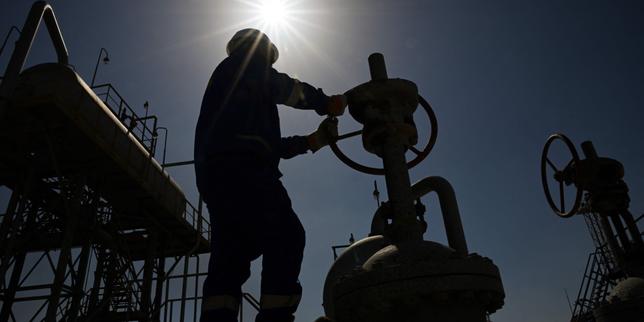
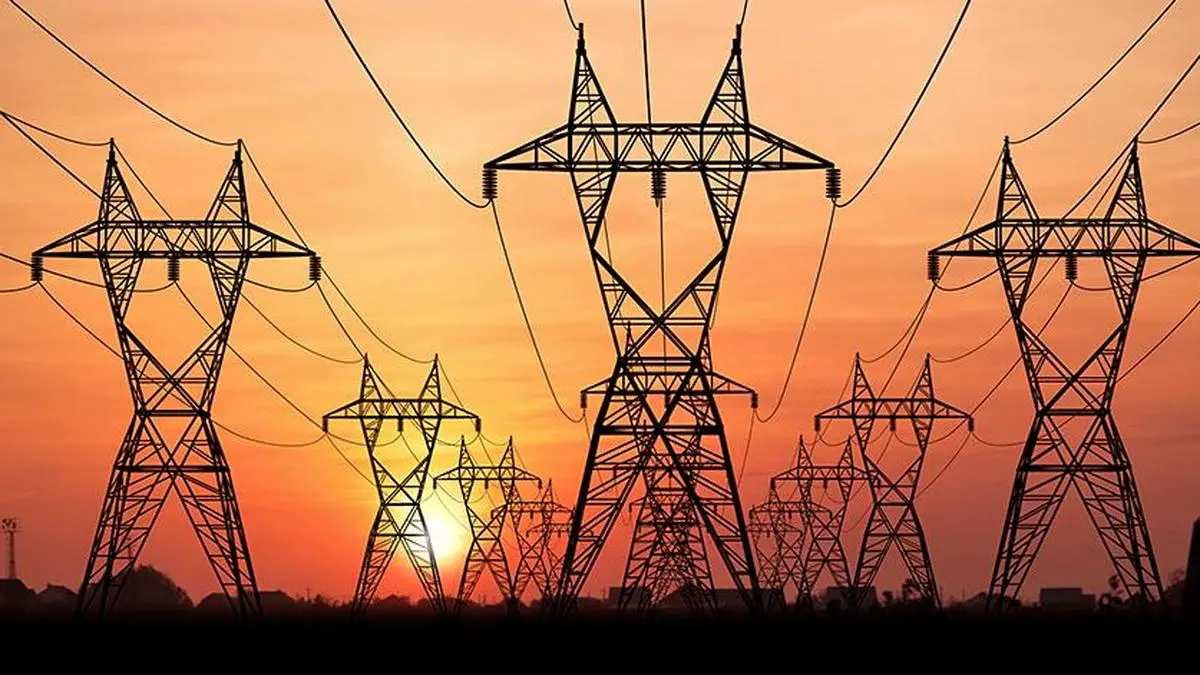
High-voltage direct current (HVDC) lines are the chosen vessels for this journey. Unlike the standard lines you see sagging over suburban streets, HVDC can carry electricity across thousands of kilometers with minimal leakage. By linking the grids of different nations, a cloud passing over a solar field in Vietnam no longer means a blackout. Instead, the system automatically pulls a surplus of hydropower from a dam in Bhutan.
It sounds clinical. It sounds like engineering. But for someone like Mei, it means the fan never stops spinning. It means the "energy poverty" that keeps millions of families in a cycle of survival finally begins to break.
The Digital Silence
Electricity is only half the battle. In the modern age, a lack of data is just as crippling as a lack of light.
Imagine trying to run a business where the road to the market is paved, but you aren't allowed to use a telephone to check prices. In many parts of the Asia-Pacific, the "digital divide" isn't a buzzword. It’s a wall. While traders in Singapore or Seoul measure latency in milliseconds, a farmer in a rural province might wait minutes for a single page to load—if it loads at all.
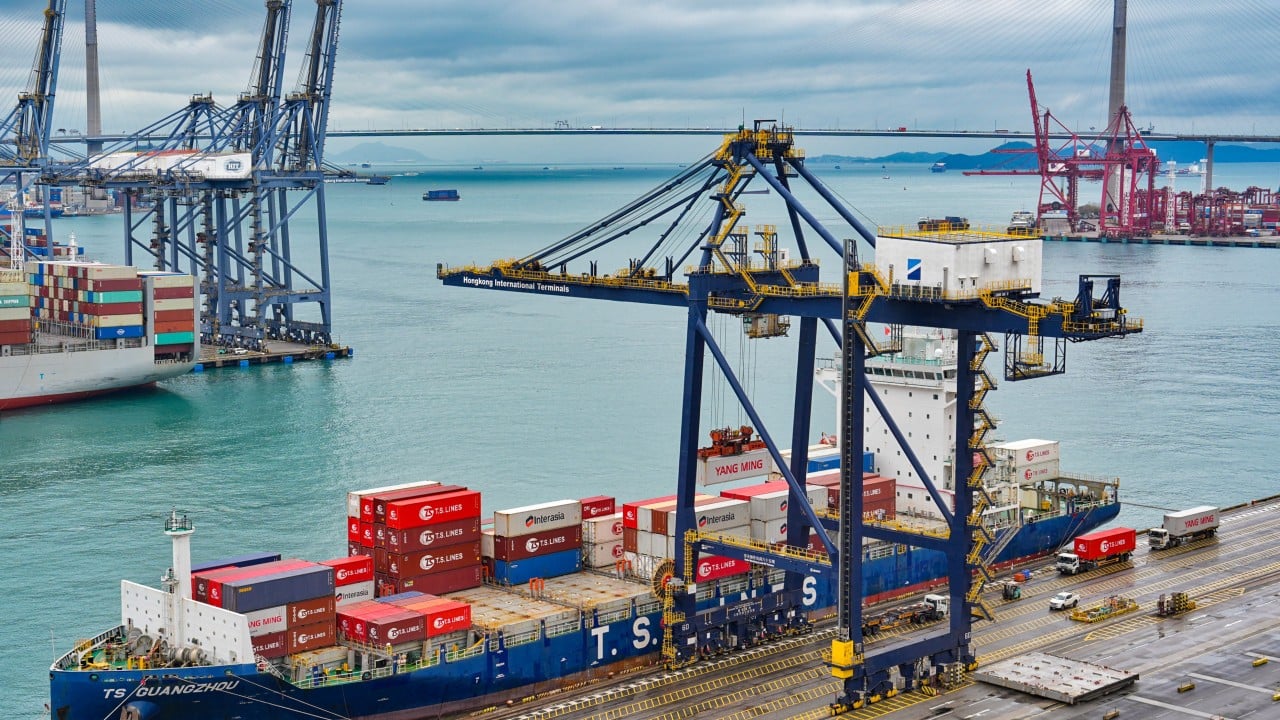
The ADB is pouring capital into subsea cables and terrestrial fiber optics to bridge this chasm. They are targeting the "missing links" in the digital highway.
Consider the hypothetical case of a small-scale textile producer in a remote valley. She has the talent. She has the product. But without a stable, high-speed connection, she cannot access global e-commerce platforms. She cannot participate in the real-time bidding that defines modern trade. She is invisible to the global economy.
When the ADB speaks of "digital networks," they are talking about making that woman visible. They are funding the literal glass threads that will carry her inventory to a buyer in London or New York. This isn't just about faster Netflix streaming; it’s about the democratization of opportunity.
The Invisible Stakes of a Warming World
There is a shadow hanging over this $70 billion investment: the climate.
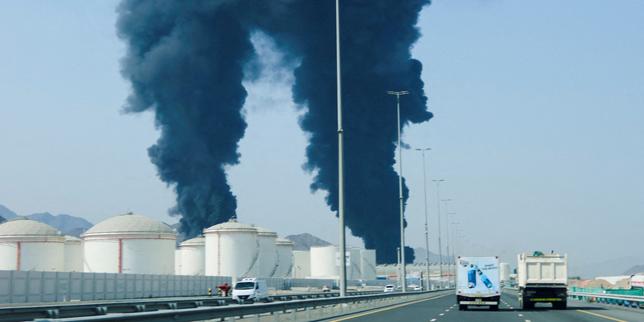
Asia is currently the world’s smokestack. To fuel its meteoric rise, the region has leaned heavily on coal. It was cheap. It was available. It was also a suicide pact. If Asia doesn't transition to renewables, the global climate goals are nothing more than a pipe dream.
But renewables are temperamental. The wind doesn't always blow, and the sun eventually sets. A single country trying to go 100% green on its own faces the "intermittency" trap—the terrifying moment when the demand for power outstrips the supply because the weather changed.
Regional integration is the only insurance policy that works.
By building a massive, interconnected grid, the ADB allows countries to trade "weather." If it’s stormy in the Philippines, they buy solar from Thailand. If the rivers are low in Laos, they buy wind power from China. This massive $70 billion "battery" isn't made of lithium; it’s made of cooperation.
The Friction of Sovereignty
Why hasn't this happened already? If the logic is so sound, why do these gaps exist?
The answer isn't technical. It’s human.
Governments are protective of their "energy sovereignty." There is a deep-seated fear in letting a neighbor hold the switch to your lights. What if a diplomatic spat leads to a blackout? What if the data cables are used for espionage?
The ADB’s role here is less about being a bank and more about being a diplomat. They are provide the "neutral ground" and the financial guarantees that make cooperation less risky than isolation. They are betting $70 billion that the economic benefit of being connected will eventually outweigh the old, paranoid instinct to stay closed.
The cost of staying isolated is becoming too high to ignore. A country with an unstable grid cannot attract high-tech manufacturing. A country without high-speed data cannot develop a modern service economy. Isolation is a slow economic death.
The Architecture of Hope
The sheer scale of this project can feel de-personalized. We talk in billions of dollars and gigawatts of power. We talk about "strategic frameworks" and "multilateral cooperation."
But look closer at the construction sites that will soon dot the landscape from the steppes to the islands.
Every kilometer of fiber optic cable laid in a trench is a lifeline. Every pylon raised against the horizon is a promise. We are witnessing the construction of a super-structure that will define the 21st century.
This isn't just about infrastructure. It’s about the girl in Vientiane who can finally finish her homework because the power stayed on. It’s about the entrepreneur who can finally upload her catalog to the world. It’s about the collective realization that in a world of rising heat and shrinking resources, no nation is an island—even the ones that are actually islands.
The $70 billion is a massive wager on a simple truth: we are stronger when we are wired together.
As the sun sets over the Gobi, the panels are still there. But soon, the energy they harvest won't vanish. It will hum through the earth, traveling through mountains and under seas, until it reaches a small apartment miles away, keeping a single light bulb burning bright against the dark.
The pulse is getting stronger.