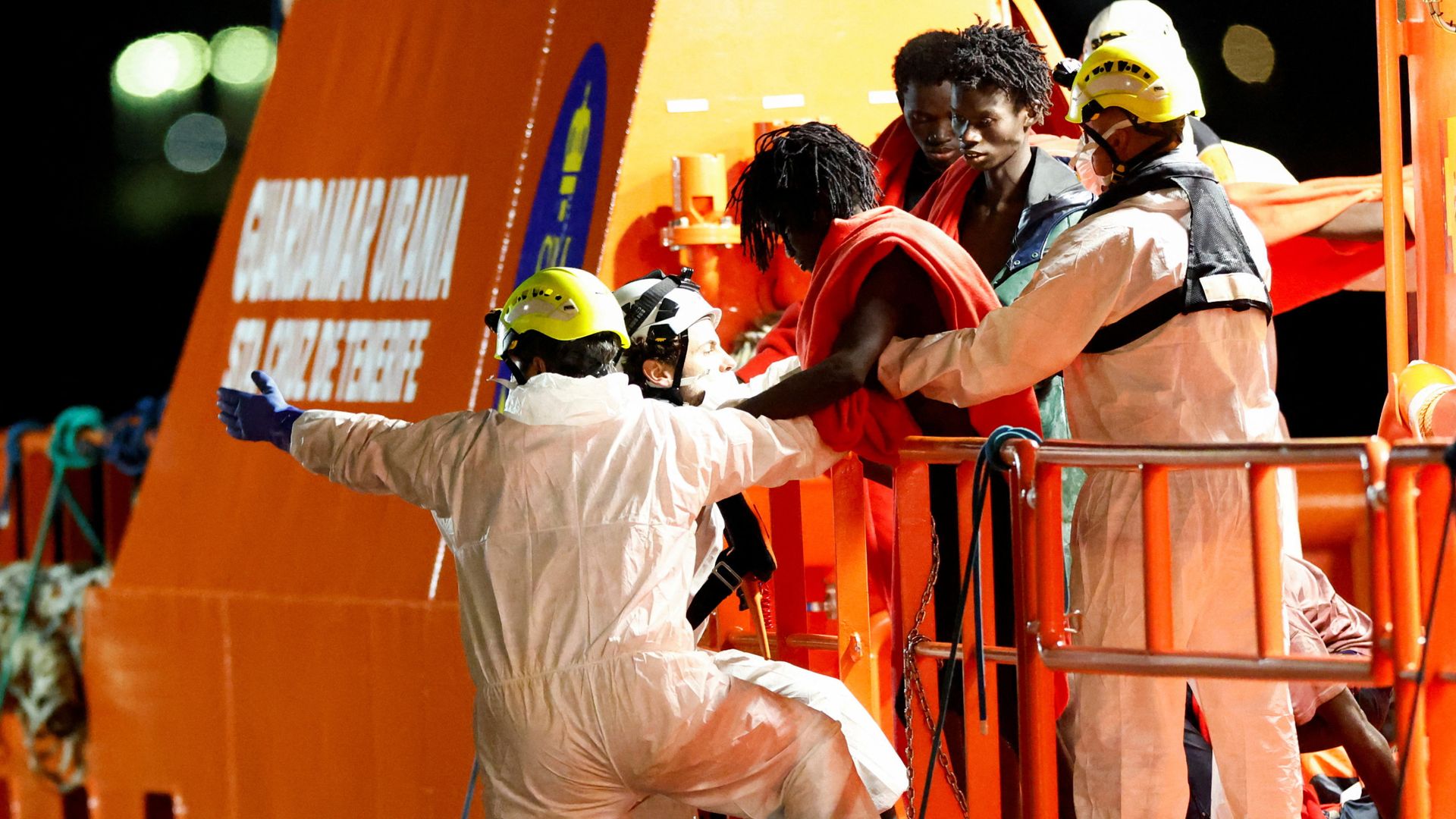
Seventy-eight people. That is the estimated death toll after a migrant boat capsized off the coast of Gran Canaria.
We read the breaking news alerts, scroll past the grim statistics on our phones, and move on with our morning coffee. It happens too often. The Atlantic corridor between West Africa and the Canary Islands remains one of the deadliest maritime migration routes on earth. Human lives dissolve into cold numbers on a spreadsheet.
If you want to understand why people keep stepping onto flimsy wooden boats despite knowing the catastrophic odds, you have to look past the political posturing. You have to look at the economic desperation, the climate pressures, and the complete failure of international protection frameworks.
The Deadliest Route in the Atlantic
The Atlantic route to the Canary Islands is treacherous. Strong ocean currents, unpredictable winds, and high waves make the journey perilous even for large commercial vessels. Putting dozens of people into an overloaded, unseaworthy wooden skiff—known locally as a patera or cayuco—is a desperate gamble.
Standard maritime safety protocols often fail these travelers. Rescue coordination centers in Spain and Morocco frequently face severe communication gaps. Jurisdiction battles delay emergency dispatches. By the time rescue vessels arrive, the boat has often broken apart, or hypothermia and dehydration have already taken their toll.
Why the Numbers Keep Rising
Political instability across the Sahel and West Africa acts as a powerful push factor. Young people face staggering youth unemployment rates, localized conflicts, and the devastating impacts of desertification on agriculture. When staying home means starvation or violence, the dangerous crossing to Europe starts to look like the only viable option.
Smuggling networks exploit this desperation. Criminal syndicates charge exorbitant fees for seats on boats that have no business entering open ocean waters. They pack passengers tightly, provide minimal fuel, and often abandon the boats once they reach international waters, leaving inexperienced migrants to navigate the final stretch alone.
The Response From Authorities
Governments in Madrid and Brussels regularly pledge to crack down on human trafficking networks. They pour funding into border surveillance, aerial patrols, and bilateral agreements with transit countries like Senegal and Mauritania.
Yet, tighter border controls rarely stop migration. They merely force people toward even more dangerous routes. When traditional landing spots face heavy surveillance, smugglers launch boats from more remote stretches of coastline, increasing the distance to safety and driving up mortality rates.
Humanitarian organizations like Walking Borders and the Red Cross have repeatedly demanded better legal pathways for migration. Without safe, orderly alternatives, desperate people will continue to place their lives in the hands of smugglers.
What Humanitarian Groups Are Demanding
- Immediate activation of dedicated search and rescue vessels closer to departure zones.
- Independent investigations into coordination failures between Spanish and African maritime agencies.
- Transparent reporting on missing persons and unidentified bodies recovered at sea.
- Expanded humanitarian visas to curb the reliance on criminal smuggling rings.
Real Solutions Require Honest Conversations
Ignoring the human cost of border enforcement policies does not solve the underlying crisis. Shifting blame between European capitals and African nations leaves rescue services underfunded and migrants unprotected.
If governments are serious about preventing future tragedies off Gran Canaria, policy needs to pivot away from militarized deterrence. Protecting human life at sea must take precedence over political optics. Real solutions demand robust search operations, legal avenues for employment migration, and genuine economic investments in the communities people are fleeing.
Until policy makers acknowledge these realities, the Atlantic will continue to claim the lives of those searching for safety and a sustainable future.