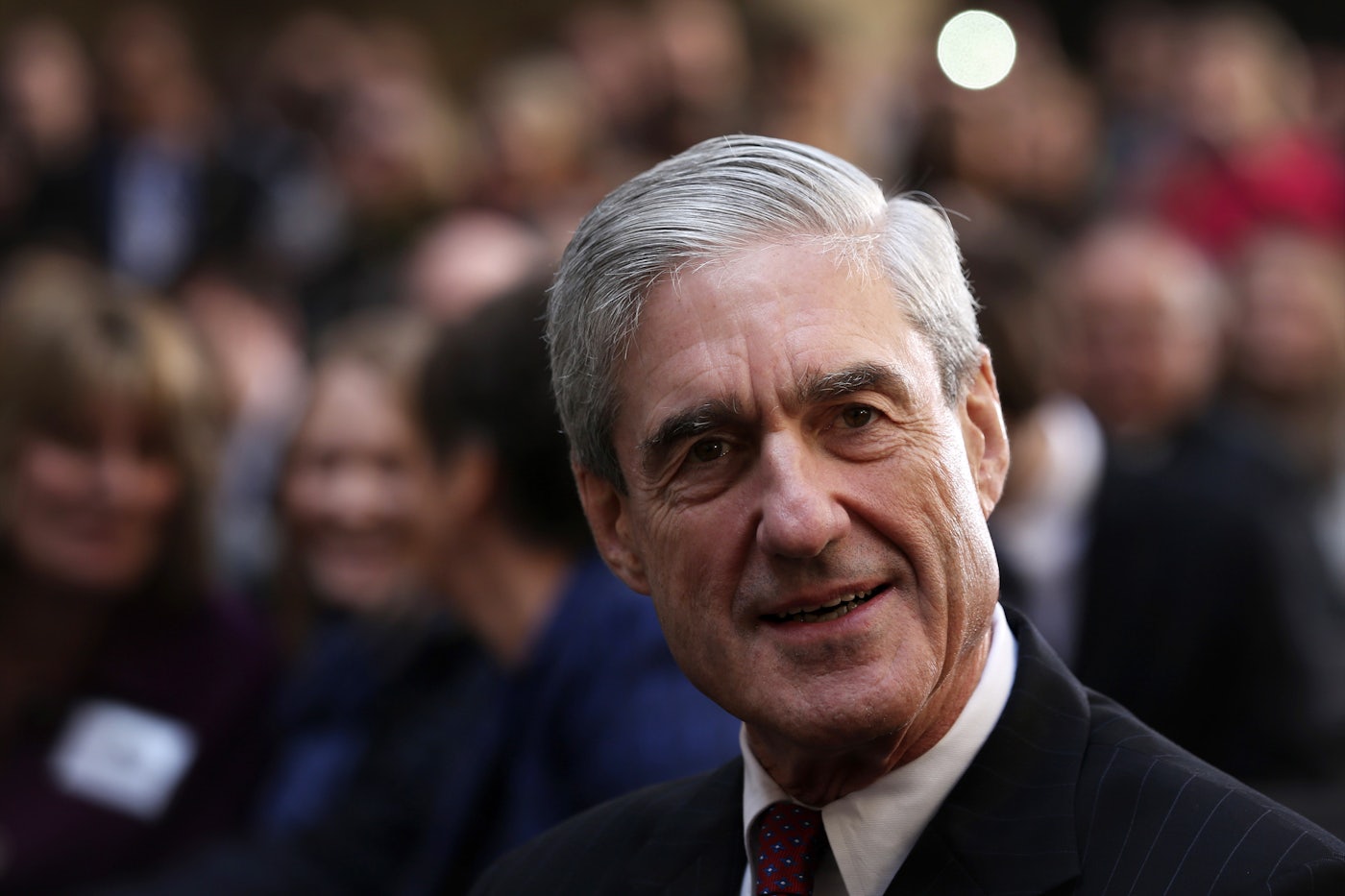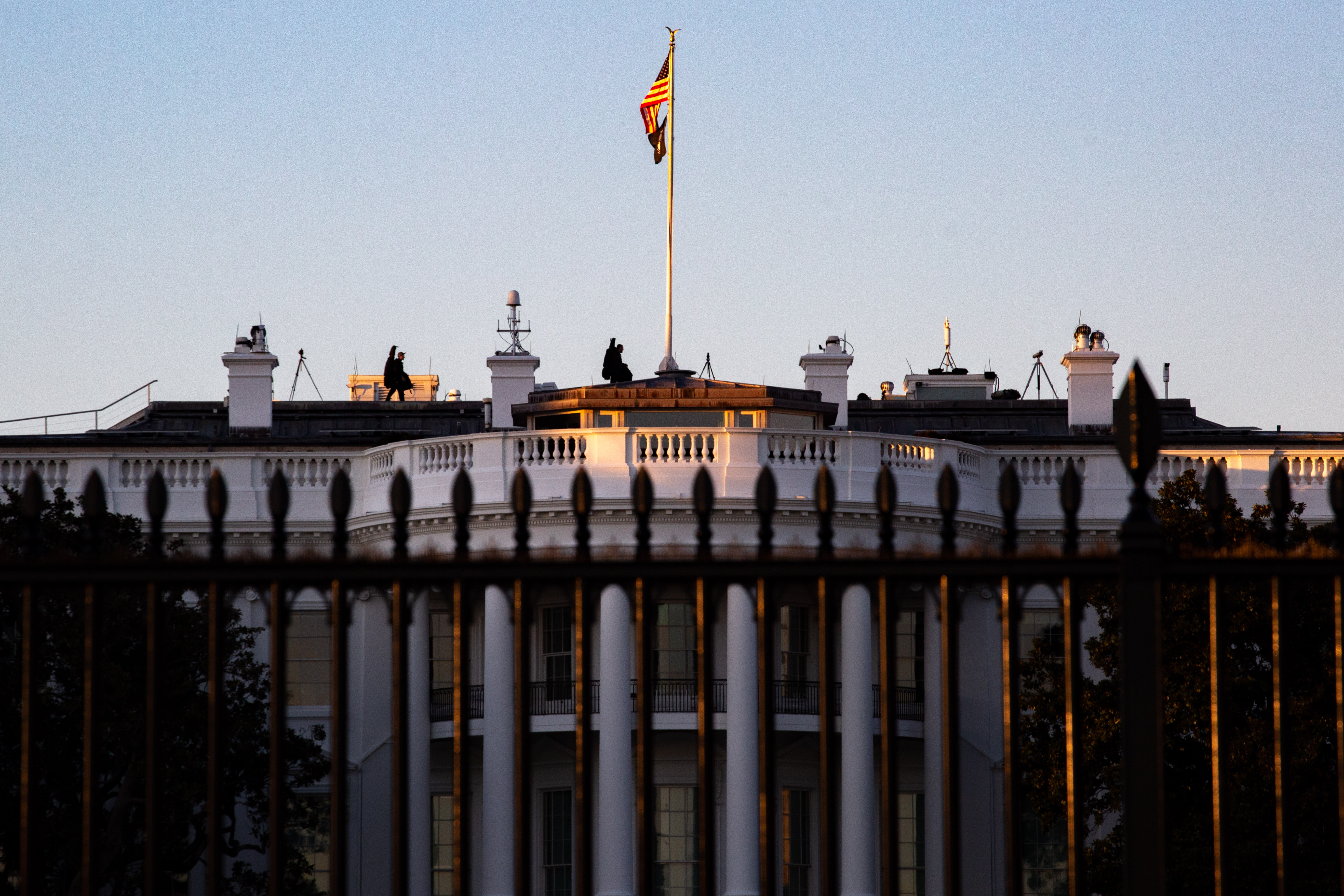
The recent public response by Donald Trump regarding the death of a former high-ranking FBI official—characterized by celebratory rhetoric rather than the traditional decorum of the executive office—functions as more than a personal grievance. It is a tactical deployment of political communication designed to delegitimize institutional oversight. When an executive labels a former investigator "scum" or expresses satisfaction at their passing, they are not merely venting; they are recalibrating the boundary between partisan loyalty and civil service. This shift represents a fundamental transformation in how the American presidency interacts with the internal security apparatus of the state.
The Mechanics of Institutional Delegitimization
To understand the strategic impact of such rhetoric, we must deconstruct the relationship between the executive branch and its investigative arms. Traditionally, this relationship is governed by a concept known as "Bureaucratic Neutrality." This is the structural assumption that agencies like the FBI operate on facts and legal statutes regardless of the sitting president’s political identity.
When a president publicly attacks the personal character of investigators, they engage in a three-stage process of institutional erosion:
- Personalization of Friction: The investigator’s work is no longer framed as a procedural necessity but as a personal vendetta. By making the conflict about "bad people" rather than "legal process," the executive shifts the public’s focus from the evidence to the individual’s perceived bias.
- The Loyalty Test: Such statements signal to current employees within these agencies that career advancement and job security are contingent upon personal fealty rather than adherence to protocol. This creates an internal "chilling effect" where risk-averse officials may hesitate to initiate sensitive probes.
- Base Mobilization: For a political base, these statements serve as a confirmation of "Deep State" theories. The death of an antagonist becomes a symbolic victory, reinforcing the narrative that the leader is the only defense against a corrupt, entrenched bureaucracy.
The Russia Investigation as a Variable in Rhetorical Escalation
The specific context of this animosity—the investigation into ties between the 2016 Trump campaign and Russian interests—serves as the primary driver for the intensity of the language used. The investigation, spearheaded by figures now targeted in post-mortem critiques, represented a direct threat to the legitimacy of the 2016 electoral outcome.
The friction here is rooted in a conflict of mandates. The FBI’s mandate was to counter foreign interference; the President’s mandate was to govern with the full weight of an undisputed mandate. When these two collide, the resulting data points are often processed through a filter of "Self-Preservation Logic." In this framework, any official who facilitates an investigation that could result in impeachment or political damage is viewed not as a civil servant, but as an existential threat.
The Cost Function of Inflammatory Executive Speech
While often dismissed as mere "Tweets" or "off-the-cuff remarks," the cost of this rhetoric is quantifiable in terms of organizational health and public trust.
- Recruitment and Retention: High-level investigative agencies rely on a value proposition of prestige and mission-driven work. When the head of the executive branch—the ultimate boss of these agencies—publicly disparages the staff, the "Prestige Premium" of the job decreases. This leads to a brain drain of experienced investigators who exit for the private sector, leaving a vacuum of institutional knowledge.
- Adjudicative Integrity: If the public believes that investigators are "scum," then any findings they produce—regardless of how well-evidenced—are pre-emptively invalidated in the court of public opinion. This creates a "Dual Reality" where evidence-based conclusions have zero impact on a significant portion of the population.
- Precedent as an Asset: Every time an executive breaks a norm, that norm is permanently weakened. Future presidents, regardless of party, now have a blueprint for using personal attacks to deflect legal scrutiny. The "Normative Floor" is lowered, making it increasingly difficult to return to a baseline of professional conduct.
The Structural Missing Link: Why Decorum Matters
Critics of the "decorum" argument often suggest that tone is irrelevant compared to policy. This is a fundamental misunderstanding of how states maintain stability. Decorum is the lubricant of the state machinery. Without it, every interaction between different branches of government becomes a high-friction conflict.
The transition from "the FBI is investigating a lead" to "the FBI is a den of thieves" changes the fundamental physics of governance. It moves the state away from a rules-based system toward a personality-based system. In a personality-based system, the law is not a static set of rules applied equally, but a weaponized tool used by the powerful against their enemies.
Data Points in the Perception of Corruption
Public polling consistently shows that trust in the FBI and DOJ has become polarized along strictly partisan lines. This is a direct outcome of the rhetorical strategy observed in the NDTV report.
- Group A: Views the FBI as the last line of defense for the rule of law.
- Group B: Views the FBI as a weaponized arm of the political opposition.
This bifurcation makes it impossible for the agency to perform its duties in a way that is viewed as legitimate by the entire country. The "Trust Deficit" becomes a permanent feature of the political landscape, hindering everything from counter-intelligence operations to domestic terrorism investigations.
The Forensic Reality of Post-Mortem Attacks
Attacking a figure after their death is a specific sub-type of political theater. It is "Risk-Free Agitprop." The subject cannot defend themselves, no new testimony can be extracted, and the narrative can be shaped without the interference of a rebuttal.
For the executive, this serves to "Close the Loop" on a historical grievance. By having the last word, the leader attempts to write the final entry in the historical record of that specific conflict. It is an exercise in "Legacy Management" through the destruction of an opponent’s reputation.
Strategic Implications for Institutional Resilience
The survival of investigative independence in an era of hyper-partisan executive leadership requires a shift in how these agencies communicate with the public. To counter the "Personalization of Friction," agencies must double down on transparency and the depersonalization of their work.
- Metric-Driven Reporting: Moving away from the "Hero Investigator" narrative and toward a "Systems-Based" approach to investigations.
- Structural Insulation: Strengthening the legal barriers that prevent the executive from interfering in specific, active investigations.
- Re-establishing the "Apolitical Clerk" Archetype: Training officials to avoid any rhetoric that can be interpreted as partisan, thereby denying the executive the ammunition needed to frame them as political actors.
The current trajectory suggests that the divide between the White House and the "Intelligence Community" will remain a primary fault line in American politics. As long as investigations are framed as personal attacks, the response will be personal, and the victim will be the perceived impartiality of the state itself.
Those managing these institutions must recognize that they are no longer operating in a "Neutral Information Environment." They are in a "Hostile Narrative Environment" where every action will be scrutinized for a hint of bias. The only defense is a rigorous, data-backed adherence to procedure that is so transparent it becomes difficult to caricature.
Agencies should prepare for a future where the executive branch is not a partner, but a primary critic. This requires a shift in operational security and public relations strategy—moving from a posture of "Quiet Professionalism" to one of "Verifiable Neutrality." Without this evolution, the weight of executive rhetoric will eventually collapse the remaining pillars of bureaucratic independence.