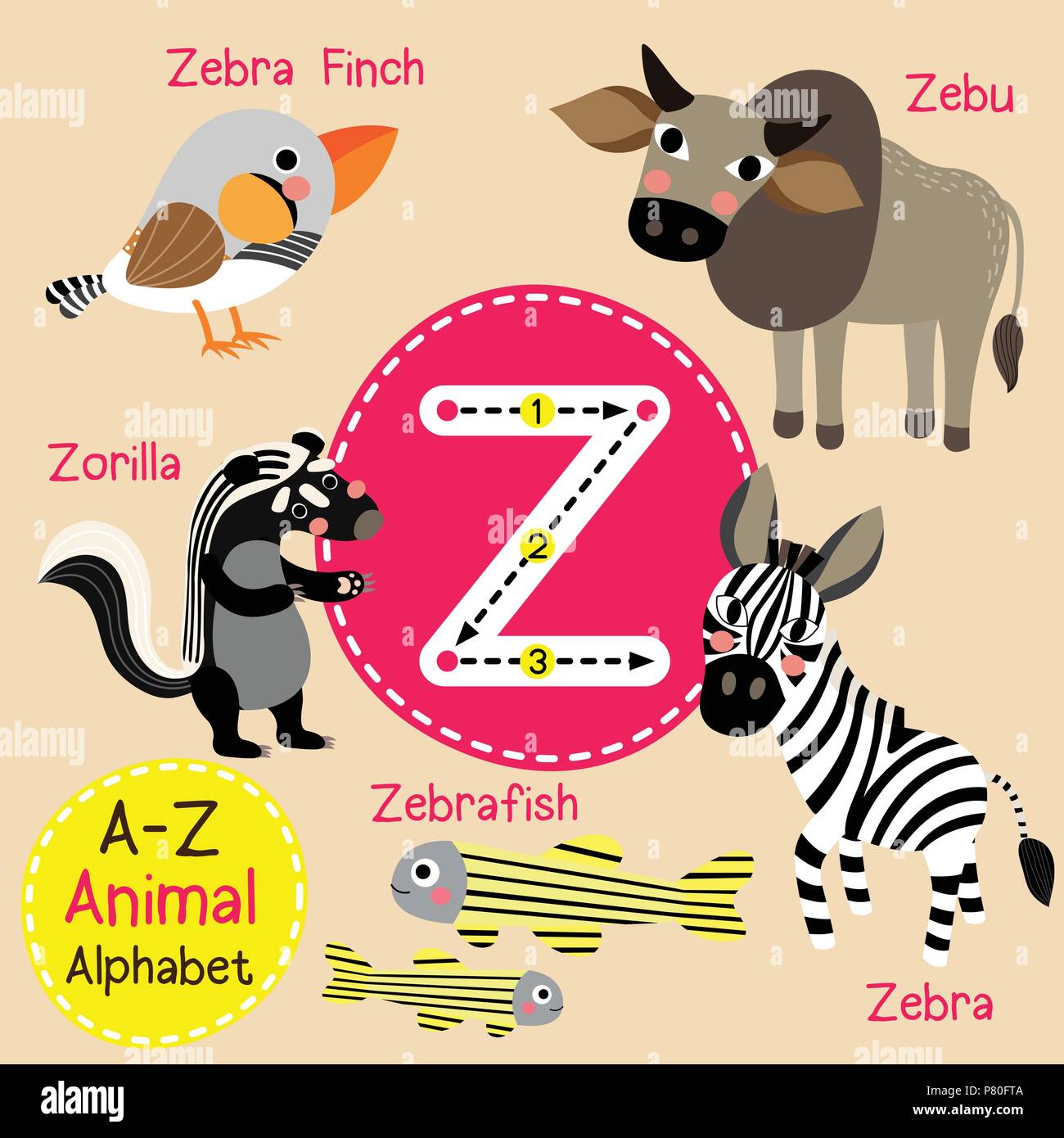
Stripes. They're basically the first thing you think of when the word zebra pops into your head. But honestly, if you've ever spent time in the bush or talked to a field biologist like Tim Caro, who literally dressed up in a zebra suit for science, you realize these animals are way more than just a fancy paint job. They are stubborn. They are aggressive. And they are one of the biggest evolutionary puzzles on four legs.
For years, people just assumed the stripes were for camouflage. You know, the whole "blending into the tall grass" thing. But here’s the kicker: it doesn't really work that way. Lions, the primary predators of the zebra, are colorblind. They don't see the world the way we do. By the time a lion is close enough to see the stripes, it has already smelled the herd and heard them stomping around. So, why the stripes?
The Truth About Those Famous Zebra Stripes
The most recent and scientifically backed theory isn't about hiding from big cats. It’s about flies. Specifically, biting flies like the tsetse and horseflies that plague the African savannah. These insects carry nasty diseases—equine influenza and trypanosomiasis—that can be fatal.
Research conducted at the University of Bristol showed that when flies try to land on a zebra, the striped pattern creates a sort of optical illusion that messes with their "landing gear." They just can't gauge the distance correctly. They end up bumping into the zebra and flying off rather than sticking a landing to feed. It's essentially a natural bug repellent built directly into the skin.
But wait, there’s more. There is a whole debate about thermoregulation. Some scientists believe the black stripes absorb heat while the white ones reflect it, creating tiny convection currents that cool the animal down. It sounds plausible, right? However, recent studies using thermal imaging have cast some doubt on this, suggesting the cooling effect is minimal compared to the anti-fly benefits.
They Aren't Just Striped Horses
You’ve probably seen people riding horses or even donkeys, but you almost never see someone riding a zebra. There's a very good reason for that. While they look like cousins, their temperaments are worlds apart. Horses were domesticated over thousands of years because they have a "flight" response. When they get scared, they run.
Zebras? They chose violence.
Living in a landscape filled with lions, leopards, and hyenas has made the zebra incredibly reactive and aggressive. If you corner one, it won't just try to run; it will kick with enough force to shatter a lion's jaw. They also have a nasty habit of biting and not letting go. In the 19th century, some eccentric colonists tried to harness them for carriages, but the project was basically a disaster. They are unpredictable, lack a social hierarchy that humans can easily manipulate, and they have a "ducking" reflex that makes it nearly impossible to lasso them.
Different Stripes for Different Types
Not every zebra is the same. There are actually three distinct species, and if you're on a safari, knowing the difference makes you look like a pro.
The most common one is the Plains Zebra. They’re the ones you see in those massive Great Migration photos alongside wildebeests. They have "shadow stripes"—fainter, brownish lines between the black and white ones.
Then you have the Grevy’s Zebra. These guys are the giants of the family. They look a bit more like mules, with huge, rounded ears and very thin, narrow stripes that don't go all the way to their bellies. They’re also much rarer. If you’re in Northern Kenya or Ethiopia and spot one, consider yourself lucky. They are endangered, with only about 2,500 left in the wild.
Finally, there’s the Mountain Zebra. They live in the rugged, hilly areas of South Africa and Namibia. They have a distinct "gridiron" pattern on their rump and a weird little fold of skin on their throat called a dewlap. It’s these subtle details that separate the casual observer from someone who actually understands the complexity of the species.
The Social Chaos of the Herd
Socially, the zebra lives a life of constant negotiation. For Plains and Mountain varieties, life revolves around a harem. You have one stallion and a group of mares with their foals. It sounds simple, but it's a soap opera. Stallions are constantly fighting off bachelors who want to steal their females. These fights are brutal, involving rearing up, biting at legs, and powerful kicks.
Grevy’s zebras, on the other hand, don't do the whole permanent harem thing. Stallions defend a territory, and if a female happens to wander through, he’ll try to mate with her. It’s much more transactional and less about long-term family bonds.
Interestingly, despite the chaos, zebras are deeply social. They participate in "mutual grooming," where two animals stand side-by-side (facing opposite directions) and nibble at each other's necks. It’s not just about getting rid of ticks; it's about lowering heart rates and building trust. If you see two zebras with their heads resting on each other's backs, they aren't just tired—they’re bonding.
Why They Are Vital to the African Ecosystem
The zebra is often called a "pioneer grazer." This is a fancy way of saying they are the lawnmowers of the savannah. They have a different digestive system than many other grazers like antelope or buffalo. They are "hindgut fermenters," meaning they can process lower-quality, fibrous grass that other animals can't stomach.
Because they eat the tough, tall tops of the grass first, they clear the way for shorter, more nutritious grass to grow. This "opens up" the pasture for more selective eaters like gazelles. Without the zebra, the entire grazing cycle of the African plains would essentially grind to a halt. They are the engine that keeps the grasslands healthy.
Misconceptions and Modern Threats
A common question people ask is: Is a zebra white with black stripes or black with white stripes? For a long time, the white belly led people to believe they were white animals with black markings. But embryological evidence has settled the score. They are black.
The melanocytes (pigment cells) are active throughout the skin, but the white stripes are where the pigment is "turned off" during development. So, technically, they are black animals with white stripes.
Despite their toughness, they face real threats. Habitat fragmentation is the big one. Fences across migratory routes in places like Botswana have historically caused massive population crashes because the animals couldn't reach water during droughts. Thankfully, some of these fences have been removed, leading to a miraculous "re-discovery" of ancient migration patterns that hadn't been used in generations.
Climate change also plays a role. Changing rainfall patterns mean the grass they rely on is becoming less predictable. When you combine this with illegal hunting—primarily for their skins, which fetch high prices on the black market—the future of species like the Grevy's becomes very precarious.
Seeing the Zebra in the Wild
If you want to see a zebra and actually appreciate what you’re looking at, head to the Serengeti or the Maasai Mara during the migration months (usually July through October). Seeing 200,000 of them moving as one massive, shimmering wave of monochrome is a sensory overload.
But don't just look for the stripes. Watch their ears. A zebra's ears can rotate 180 degrees, and they use them to communicate their mood. Flattened back? They're angry. Pointed forward? They're curious or alert. It's a silent language happening right in front of you.
Listen to the sound, too. They don't whinny like a horse. It’s a high-pitched "kwa-ha" bark. It's haunting and distinct, especially at night when the rest of the bush is quiet.
Next Steps for Conservation and Engagement
To truly support the survival of these animals, focus your efforts on organizations that prioritize habitat connectivity. Protecting a single park isn't enough; animals need "corridors" to move between them.
- Support the Grevy’s Zebra Trust: They work directly with local communities in Kenya to monitor populations and protect water sources.
- Opt for Ethical Tourism: When booking a safari, choose operators that are certified by organizations like the Global Sustainable Tourism Council. These companies ensure your presence doesn't disrupt migration paths.
- Educate Others on the Domesticity Myth: Understanding why these animals can't be "tamed" helps foster respect for their wild nature rather than viewing them as failed horses.
- Monitor Land Use Policies: Stay informed about infrastructure projects in East Africa that threaten to cut off traditional migration routes. Advocacy at the policy level is often more effective than individual donations.