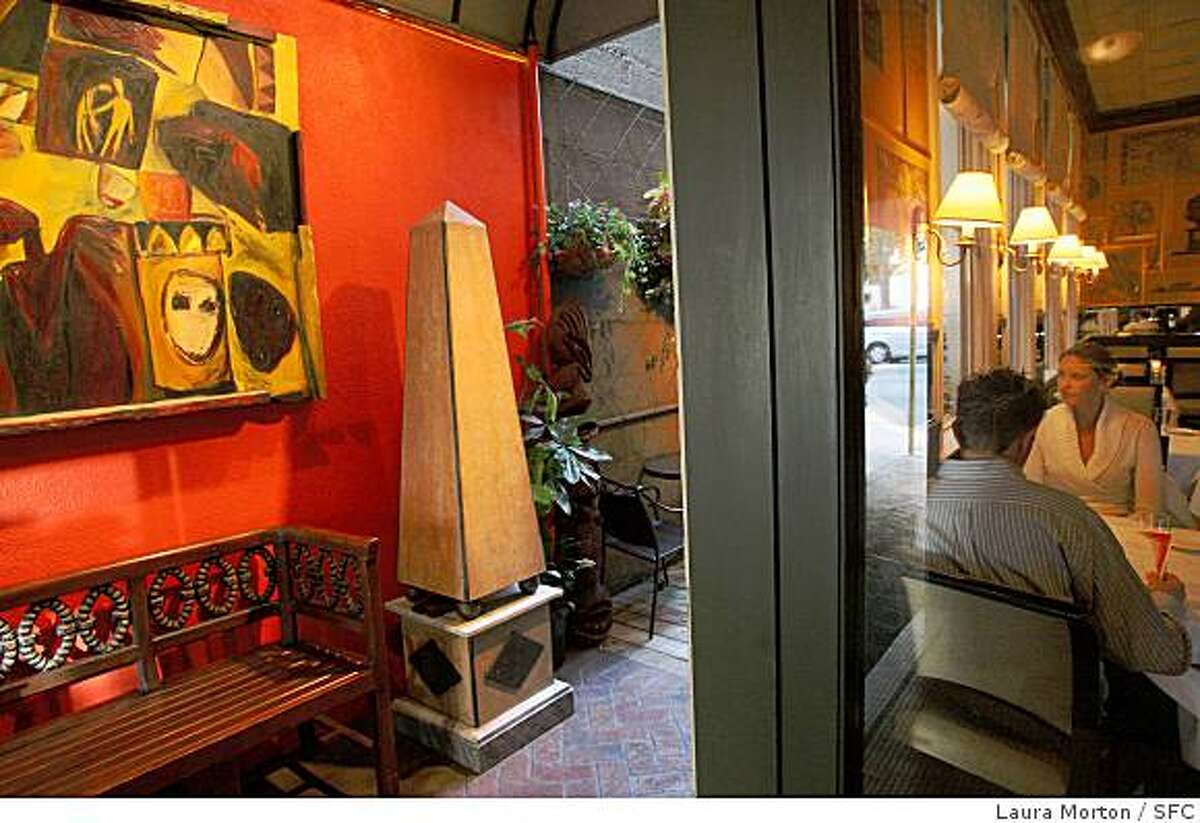
Walk into 606 Folsom Street and the first thing you’ll notice isn't the menu. It’s the weight of the air. It feels old, but not dusty. This is the spot where Zare at Fly Trap San Francisco carved out a niche that most modern restaurants can’t even touch. It’s a place where Persian spices meet the kind of classic San Francisco architecture that survived the 1906 quake—well, at least the spirit of it did.
Hoss Zare is the man behind the name. He’s a legend in the city's culinary circles. Not the kind of legend who hides in the back, but the kind who grabs you by the shoulder and tells you what you’re eating. He took over the historic Fly Trap space years ago, and honestly, he didn't just change the food. He changed the soul of the building.
Most people think "fusion" is a dirty word now. It usually means a chef got bored and threw miso in a carbonara. But at Zare at Fly Trap, the blend of Mediterranean, Middle Eastern, and Californian styles was something else entirely. It was intentional. It was lived-in.
The Resurrection of a San Francisco Icon
The Fly Trap has been around since the late 1800s. Back then, it was a saloon where people would literally hang flypaper—hence the name. It’s gritty. It’s real. When Hoss Zare stepped in, he wasn't looking to sanitize that history. He wanted to add a layer of Iranian warmth to it.
You’ve probably heard of his signature lamb shank. It’s basically a requirement if you’re visiting. He braises it until it gives up any resistance, then serves it with these tiny, jewel-like barberries. It’s sour. It’s salty. It’s incredibly tender. It’s the kind of dish that makes you realize why people still talk about this place even after decades of food trends have come and gone.
San Francisco's dining scene is notoriously fickle. One week everyone is obsessed with $40 sourdough, and the next, it’s all about minimalist tasting menus that leave you hungry. Zare at Fly Trap San Francisco ignored all of that. It stayed loud. It stayed generous.
The interior is all high ceilings and brass. It looks like the kind of place where a 1920s detective would wait for a lead, but the smell of toasted cumin and saffron reminds you exactly where—and when—you are. It’s an odd juxtaposition that somehow works perfectly.
Why Hoss Zare’s Influence Still Resonates
If you look at the lineage of chefs in the Bay Area, Hoss Zare’s fingerprints are everywhere. He brought a specific brand of hospitality that you don't see much anymore. It’s called Taarof. In Persian culture, it’s a complex system of etiquette and generosity. In a restaurant setting, it means you’re treated like family, whether you like it or not.
I remember talking to someone who worked there years ago. They said Hoss would often walk out into the dining room, see a table looking confused by the menu, and just start bringing them things. No charge. No ego. Just a genuine desire to see people eat well. That’s the "Zare" part of Zare at Fly Trap.
Beyond the Lamb Shank
Everyone talks about the lamb, but the smaller plates were where the real magic happened.
- The Abgoosht: A traditional Persian stew that felt like a hug from a grandmother you never had.
- The Pistachio meatballs: These weren't your Italian grandma’s meatballs. They were vibrant and nutty.
- The cocktails: They often used rosewater or pomegranate, mirroring the flavors of the kitchen without being cloying.
Honestly, the bar at the Fly Trap is one of the best places to sit if you’re alone. You get to watch the SOMA crowd—techies, old-school locals, and tourists who got lost—all converging over bowls of hummus and grilled octopus. It’s a microcosm of what San Francisco used to be before everything became so segmented.
The Reality of Running a Legacy Spot in SOMA
Running a restaurant in the South of Market district isn't for the faint of heart. The rents are astronomical. The foot traffic is unpredictable. And yet, Zare at Fly Trap San Francisco managed to bridge the gap between "old SF" and the "new SF."
The neighborhood has changed so much around it. Huge glass towers now loom over the block. But when you step inside, that 19th-century charm is still there. Hoss eventually moved on from the daily operations to pursue other projects, but his influence is baked into the walls. The current iteration of the Fly Trap still carries that torch, maintaining a menu that respects the history while keeping things fresh.
People often ask if it’s still "the same." The short answer? No. Nothing is ever the same in a city that renovates itself every ten years. But the core philosophy of bold, Persian-influenced flavors in a classic American bistro setting hasn't shifted. It’s still one of the few places in the city where you can get a properly cooked steak alongside a side of Persian rice with a crispy tahdig.
Practical Insights for Your Visit
If you’re planning on heading down to Folsom Street, there are a few things you should know. This isn't a "fast casual" spot. Don't rush it.
First off, parking in SOMA is a nightmare. Don't even try. Just take a rideshare or use the Muni. You'll thank me when you aren't circling the block for 45 minutes while your reservation disappears.
Secondly, the "Secret" is in the appetizers. While the entrees are huge and impressive, ordering three or four starters is usually the better move if you want to experience the breadth of what the kitchen can do. Get the spreads. Get the things with pomegranate molasses.
Third, look for Hoss. Even though he isn't there every single night anymore, he’s still a presence in the community. Sometimes he’s hosting pop-ups; sometimes he’s just there as a patron. If you see a guy with a massive smile and a bigger personality, that’s probably him.
What Most People Get Wrong
The biggest misconception is that Zare at Fly Trap is strictly a "Middle Eastern restaurant." It's not. If you go in expecting a standard kebab house, you’re going to be confused. It’s a San Francisco restaurant through and through. That means local ingredients, seasonal shifts, and a heavy dose of European technique.
It’s also not a "white tablecloth" snob-fest. Yes, it’s nice. Yes, the service is professional. But it’s loud. It’s vibrant. People laugh there. It’s the kind of place where you can wear a blazer or a clean t-shirt and nobody cares as long as you’re enjoying the food.
The legacy of Zare at Fly Trap San Francisco isn't just about the food. It’s about a specific moment in time when a chef from Tabriz, Iran, took a storied American bar and made it his own. It’s a story of immigration, adaptation, and really, really good saffron.
Actionable Steps for Your Next SOMA Dining Experience:
- Check the Current Menu Online: The Fly Trap often rotates its "Chef’s Specials" based on what’s available at the Ferry Building market. Look for anything involving seasonal stone fruits or fresh herbs.
- Make a Reservation for the Booths: The bar is great for solo diners, but the high-backed booths offer the best "old world" vibe for a group of four.
- Ask About the Wine Pairings: Don't just stick to beer. The wine list is curated to handle the heavy spices of Persian cooking, which is a rare find in most bistros.
- Visit During Happy Hour: If you want the vibe without the full price tag of a dinner entree, their bar snacks are a steal and offer a great intro to the flavor profile.
- Explore the History: Take five minutes to look at the photos and memorabilia on the walls. It tells the story of a San Francisco that existed long before the first microchip was ever soldered.



