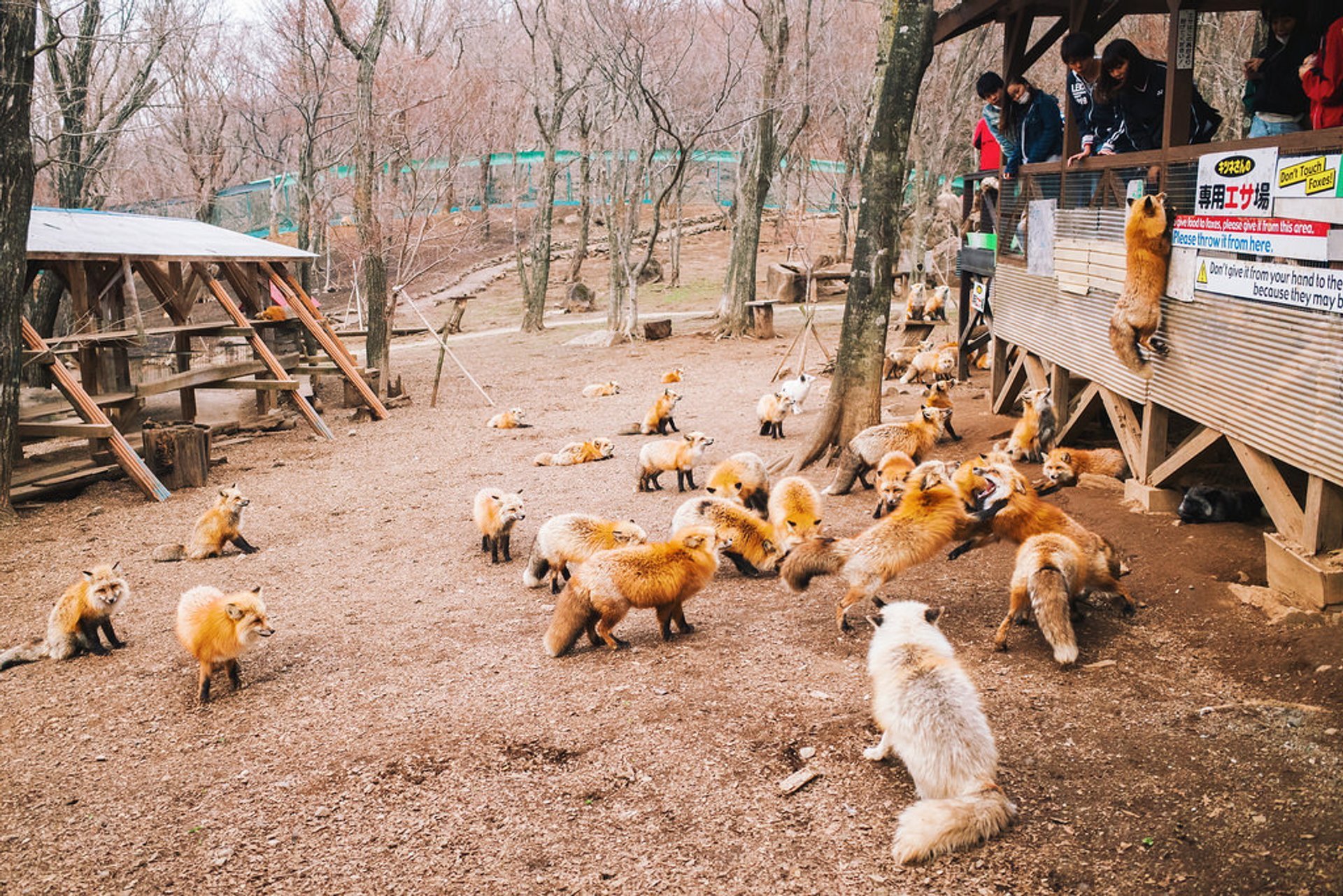
It is a sea of fluffy, reddish-orange fur. Honestly, that is the first thing that hits you when you walk into the main sanctuary at Zao Fox Village. You are in the mountains of Miyagi Prefecture, the air is crisp, and suddenly, you’re surrounded by a hundred foxes just... hanging out. Some are curled into perfect circles in the snow, others are bickering over a wooden platform, and a few are following you with a look that says, "I know you have the snacks."
But here is the thing. Meanwhile, you can read other stories here: Ryanair is Not Cancelling Your Vacation—It is Testing Your Loyalty.
Social media makes this place look like a Disney movie, but the reality is way more complex. If you go expecting to cuddle a wild animal like a puppy, you’re going to be disappointed, or worse, bitten. This isn't a petting zoo in the traditional sense. It is a semi-wild sanctuary where the foxes rule the roost, and humans are just temporary guests in their weird, yapping world.
The Reality of Miyagi Zao Fox Village
Located near Shiroishi, the Zao Fox Village (Zao Kitsune Mura) houses six different species of foxes. While the Ezo Red Fox is the star of the show, you’ll also spot silver foxes, arctic foxes (blue and white), and cross foxes. They aren't in cages in the main area. They roam free. To understand the bigger picture, check out the detailed article by Lonely Planet.
The village was founded in 1990, and it has grown into a massive tourist magnet.
You’ve probably seen the photos of people holding foxes in colorful jackets. That happens in a very specific, supervised "hugging" session that costs extra and lasts only a few minutes. The rest of the time? You are walking through a one-hectare forest where the animals live. Some people find the smell overwhelming—it's a pungent, musky odor that hits you the moment you park your car. Others are bothered by the foxes' behavior, which can look aggressive. They scream. They fight. They nipped at my boots because the rubber looked interesting.
It's loud. It's messy. It's totally authentic to how foxes actually behave when they’re grouped together.
Getting There Isn't Exactly Easy
Most people try to do this as a day trip from Tokyo. It’s doable, but it’s a grind. You take the Shinkansen to Shiroishi-Zao Station. From there, your options are basically a 4,000 yen taxi ride or a very infrequent bus.
If you miss the bus, you’re stuck.
I’ve seen travelers look genuinely stressed at the station realize they just missed the shuttle. Pro tip: if you go with a group, split the taxi. It’s about a 20-minute winding drive up into the mountains. In winter, the scenery is breathtaking, but the roads are slick. The elevation means it's always colder than the city, so dress like you're going to the Arctic.
Understanding the "Three Rules"
The staff at Zao Fox Village are incredibly strict. They have to be. Foxes are members of the canid family, but they don't think like dogs. They are opportunistic scavengers.
When you enter, you get a briefing (usually in Japanese, but they have English signs).
- No dangling things. If you have a camera strap, a loose scarf, or those little puffballs on your hat, a fox will try to steal it.
- Keep your hands in your pockets. If you point at a fox, they think it’s food. They will jump.
- Don't squat. If you crouch down to get that "perfect shot," you are now at eye level with a predator. They might try to jump on your back.
It sounds scary, but it’s just about respect. Most of the foxes are lazy. They spend about 80% of their day sleeping in little wooden houses or tucked under bushes. You’ll see them in the "Fox Hospital" area or the breeding pens sometimes, which brings up a lot of debate about animal welfare.
The Ethics Debate: What Most People Get Wrong
You can't talk about Zao Fox Village without talking about the "zoo" aspect.
Some visitors leave glowing reviews. Others leave 1-star reviews on TripAdvisor claiming the foxes are mistreated because they live in "crowded" conditions or because some look "mangy." Let's break that down.
First, foxes shed. A lot. In late spring and summer, they look absolutely ragged. Their thick winter coats fall out in clumps, making them look thin and sick. They aren't; they're just transitioning to their summer fur.
Second, the fighting. Foxes are territorial. In the wild, they’d have miles of space. Here, they share a smaller plot. You will hear "fox screams," which sound like a person being murdered. It’s just how they communicate.
However, the facility is a product of an older era of Japanese animal tourism. It doesn't look like a high-end modern zoo. It’s rustic. There is chain link. There is dirt. If you are looking for a sterilized, highly curated experience, this isn't it. The foxes are generally well-fed and have access to veterinary care, but it is a "working" village, not a sanctuary in the Western sense of the word.
Feeding Time is Pure Chaos
There is a dedicated feeding platform. It’s the only place you’re allowed to give them treats, which you buy at the entrance for 200 yen.
Standing on that platform is an experience.
The moment you reach into your bag, dozens of foxes congregate below. They look up with those slanted eyes, waiting. Some will stand on their hind legs. Others will start a boxing match with their neighbor to secure the best spot. It’s the best way to see the different coat variations up close without actually putting your fingers in danger.
Side note: Do not drop your phone from the platform. It belongs to the foxes now.
Seasonal Magic: When Should You Visit?
Winter is the undisputed king of seasons for Zao Fox Village.
Between January and March, the Miyagi mountains are buried in snow. The foxes have their full, fluffy winter coats. The contrast of the orange fur against the white snow is, frankly, incredible. It’s the version of the park you see on Instagram.
But winter has its downsides.
- The trek is harder.
- The smell is actually worse because the moisture traps the scent.
- It's freezing.
Spring is baby season. If you want to see fox kits, May is usually the sweet spot. They are tiny, clumsy, and undeniably cute. But remember, you can't just pick them up. Everything is controlled.
Beyond the Foxes: Shiroishi and Zao
If you're making the trip, don't just go to the village and leave. The town of Shiroishi is famous for Umen, a specific type of short, thick noodle made without oil. It’s easy on the stomach and perfect after a cold day on a mountain.
There is also Shiroishi Castle. It’s a beautiful reconstruction with a park that’s stunning during cherry blossom season.
If you have a car, drive up to the Zao Okama Crater. It’s a volcanic crater lake that changes color depending on the light. It’s one of the most famous sights in Tohoku, though it’s closed in the dead of winter due to snow levels.
Practical Insights for Your Trip
Before you pack your bags for Zao Fox Village, consider these reality-check tips:
- Wear old shoes. You are walking on dirt, mud, and fox droppings. Do not wear your brand-new white sneakers.
- Black clothes are a magnet. For some reason, some of the foxes seem more interested in dark, moving fabrics.
- Bring cash. Most of the facility, including the taxi drivers in Shiroishi, prefers cash over cards.
- Go early. The tour buses start arriving around 11:00 AM. If you get there when they open at 9:00 AM, you’ll have a much more peaceful experience.
- Check the weather. If it’s raining, the foxes hide. You’ll be standing in the rain looking at empty huts.
Moving Forward with Your Japan Itinerary
If you've decided that the fox village is a "must-do," start by checking the JR East train schedules for the Tohoku Shinkansen. Book a seat on the Yamabiko line.
If you're worried about the ethical side, do more research into the Japanese "animal cafe" culture to see if it aligns with your travel values. Japan has a different perspective on animal-human boundaries than many Western countries, and being an informed traveler is the best way to ensure you have a trip that feels right for you.
Pack a heavy coat, keep your hands in your pockets, and get ready for the weirdest, fluffiest encounter in Northern Japan.