Las Vegas is usually about losing money or your dignity, but on the corner of Charleston and 6th, people are paying to lose their minds. If you’ve spent any time watching Ghost Adventures, you know Zak Bagans isn't exactly a subtle guy. He’s theatrical. He’s intense. And his Zak Bagans’ Haunted Museum is exactly what you’d expect from a man who stares into the darkness for a living. It isn't just a collection of dusty old dolls and creepy paintings; it is a 30-room labyrinth inside a 1938 mansion that supposedly has its own resident spirits long before Zak showed up with a moving truck full of cursed objects.
Most people walk in expecting a tourist trap. They think they’ll see some movie props and hear a few jump-scare recordings. Honestly? It’s weirder than that. The atmosphere is heavy. It's thick. You feel it the moment you step off the Vegas sidewalk and into the dim, velvet-heavy lobby.
The Reality of the Dybbuk Box and the "No-Touch" Rule
The crown jewel of the collection is the Dybbuk Box. If you follow paranormal lore, you know this wine cabinet is allegedly the most haunted object in the world. It’s the inspiration behind the movie The Possession. Bagans bought it from Kevin Mannis, and since then, the stories of people getting sick or experiencing "dark luck" after seeing it have piled up.
But here’s the thing.
The museum doesn't just let you stroll up to it. You have to sign a waiver. A literal legal document saying you won't sue the museum if a demon follows you home. Is it a marketing gimmick? Maybe. Does it work at setting a terrifying tone? Absolutely. When you finally reach the room housing the box, the air feels different. Some visitors report sudden headaches or a weird "static" feeling on their skin. Bagans himself famously claimed that Post Malone suffered a string of bad luck after touching Zak while Zak was touching the box. Whether you believe in ancient Jewish folklore or just think it’s a spooky box, the psychological weight in that room is undeniable.
Why the Wengert Mansion Matters
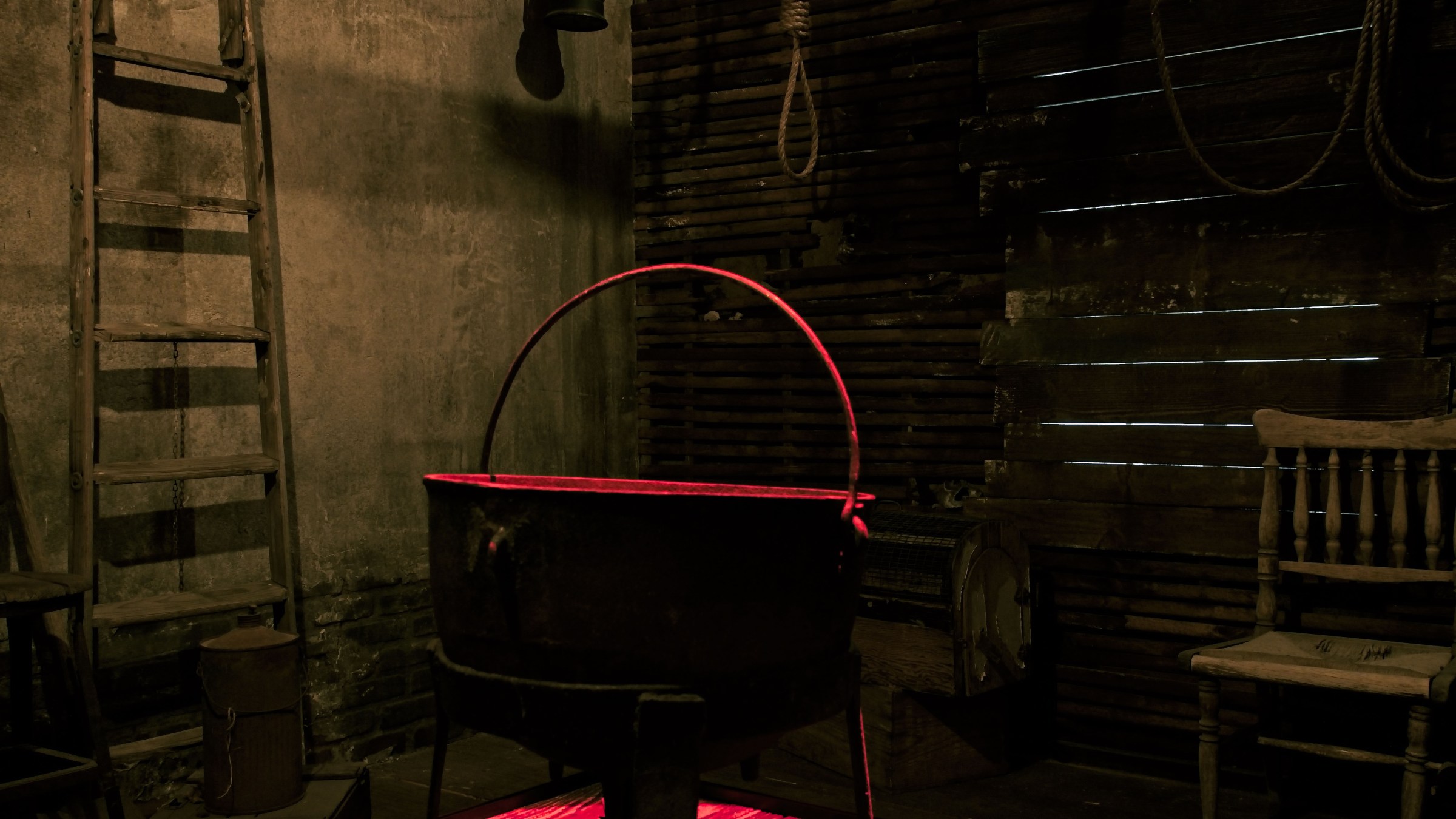
The building itself is a character. Originally built by Cyril Wengert, a prominent Vegas businessman, the house has long been rumored to host dark rituals in the basement. We aren't talking about "spooky vibes" here; we are talking about documented local legends of satanic worship that predated Bagans’ ownership.
The layout is a mess of narrow hallways and secret doors. It feels claustrophobic because it is meant to. Bagans spent years renovating it to ensure the flow of the tour maximizes tension. You never quite know where you are in relation to the exit. That’s intentional. It plays on a very primal fear of being trapped.
Peggy the Doll and the Psychology of Cursed Objects
You’ve probably seen Peggy on the internet. She’s a doll with white hair and blue eyes that supposedly causes chest pains and nausea in those who look at her. In the museum, she’s kept in a dedicated room. The tour guide will warn you: "Don't look her in the eyes."
It sounds silly until you’re standing there.
Psychologically, what’s happening at the Zak Bagans’ Haunted Museum is a masterclass in suggestion and sensory deprivation. You’re in the dark. You’re hearing stories of death and misery. Your brain is primed to interpret every creak of the floorboards as a spirit. But then there are the things that aren't so easily explained. The museum staff have countless stories of seeing shadow figures in the hallways when the building is empty. Real people, not actors, have fainted in the basement.
Dealing with Death: The Dr. Kevorkian Van and Charles Manson
Bagans has a fixation with the macabre that goes beyond ghosts. He collects the "death" of history. He owns the "Death Van" used by Dr. Jack Kevorkian. He owns items belonging to Charles Manson, including his dentures and creative works from prison. This is where the museum shifts from "spooky ghost tour" to "true crime memorial."
- The Kevorkian Van: It’s parked in a room that feels clinical and cold. It’s uncomfortable to look at because it represents real, modern tragedy, not some 19th-century ghost story.
- The Manson Collection: Bagans has been criticized for this. Some feel it glorifies killers. Others see it as a necessary preservation of the dark side of the human psyche.
- The Demon House Staircase: Bagans bought an entire house in Gary, Indiana, filmed a documentary about its "demonic infestation," and then tore the house down. He kept the stairs. They are now installed in the museum.
It's a lot to take in. It’s sensory overload. By the time you reach the "Circus Room" or the "Puppet Room," your nerves are frayed.
Is the Haunted Museum a Hoax?
Let’s be real for a second. There are plenty of skeptics who say Bagans is a showman above all else. They argue that the "haunted" effects are just clever lighting and high-end speakers. And sure, the production value is high. But there is a reason professional paranormal investigators, like those from Ghost Hunters or independent researchers, still speak about this place with a certain level of respect.
The artifacts are real. The history is real. Whether the spirits attached to them are actually lingering is something you have to decide for yourself. But when you stand in front of the Propofol chair from the Michael Jackson death investigation, you don't care if a ghost is there. You’re looking at a piece of heavy, tragic history.
What to Know Before You Go
If you’re planning a trip to the Zak Bagans’ Haunted Museum, don’t just show up and expect to walk in. It’s almost always sold out.
- Age Limits: You have to be 14 or older. This isn't a "family-friendly" haunted house. It’s intense.
- The RIP Tour: If you want to see everything, including the "backstage" areas and more intense artifacts, spring for the RIP ticket. It's more expensive, but the standard tour can feel a bit rushed given how much there is to see.
- Physical Condition: You’re going to be on your feet for two hours. There are stairs. It’s dark. If you have a heart condition or get panic attacks, maybe skip the Dybbuk Box room.
- The Waiver: Yes, you actually sign it. Read it. It’s a trip.
The museum stays open late, and honestly, the nighttime tours are the only way to go. The energy in that part of Las Vegas changes after the sun goes down. The neon of the Strip feels a million miles away when you’re standing in a basement where people used to pray to things that don't have names.
Practical Steps for the Paranormal Tourist
If you're serious about visiting, here is how to handle the experience without losing your cool.
First, book your tickets at least two weeks in advance. The museum is located at 600 E Charleston Blvd. Parking is tight, so take a rideshare if you can. It saves the headache of navigating the cramped lot.
When you're inside, keep your phone in your pocket. Not only is photography strictly forbidden in most areas (they will kick you out, no questions asked), but the experience is better when you aren't looking through a screen. Listen to the guides. They are trained not just on the history of the objects, but on the safety of the guests. If you start feeling lightheaded—which happens more than you’d think—tell someone immediately.
After the tour, give yourself a "debrief" period. Grab a drink or some food in the Downtown Arts District nearby. Don't just jump back into the chaos of the casinos. You’ll need a minute to process what you saw. Whether you believe in the supernatural or not, the Zak Bagans’ Haunted Museum leaves a mark on you. It’s a deep dive into the shadow side of humanity and the mysteries we still haven't solved.
Check the official website for current COVID-19 protocols or seasonal hour changes before heading out. The museum often updates exhibits as Zak acquires new, "active" items, so even if you've been before, there’s usually something new and terrifying waiting in the dark.