Standing on the roof of the world is a death-defying feat for seasoned adults. So when a 13-year-old kid does it, the world tends to freak out. Honestly, it's a bit of a polarizing topic. You’ve got one side calling it the ultimate inspiration and the other side basically screaming "child abuse" at the top of their lungs.
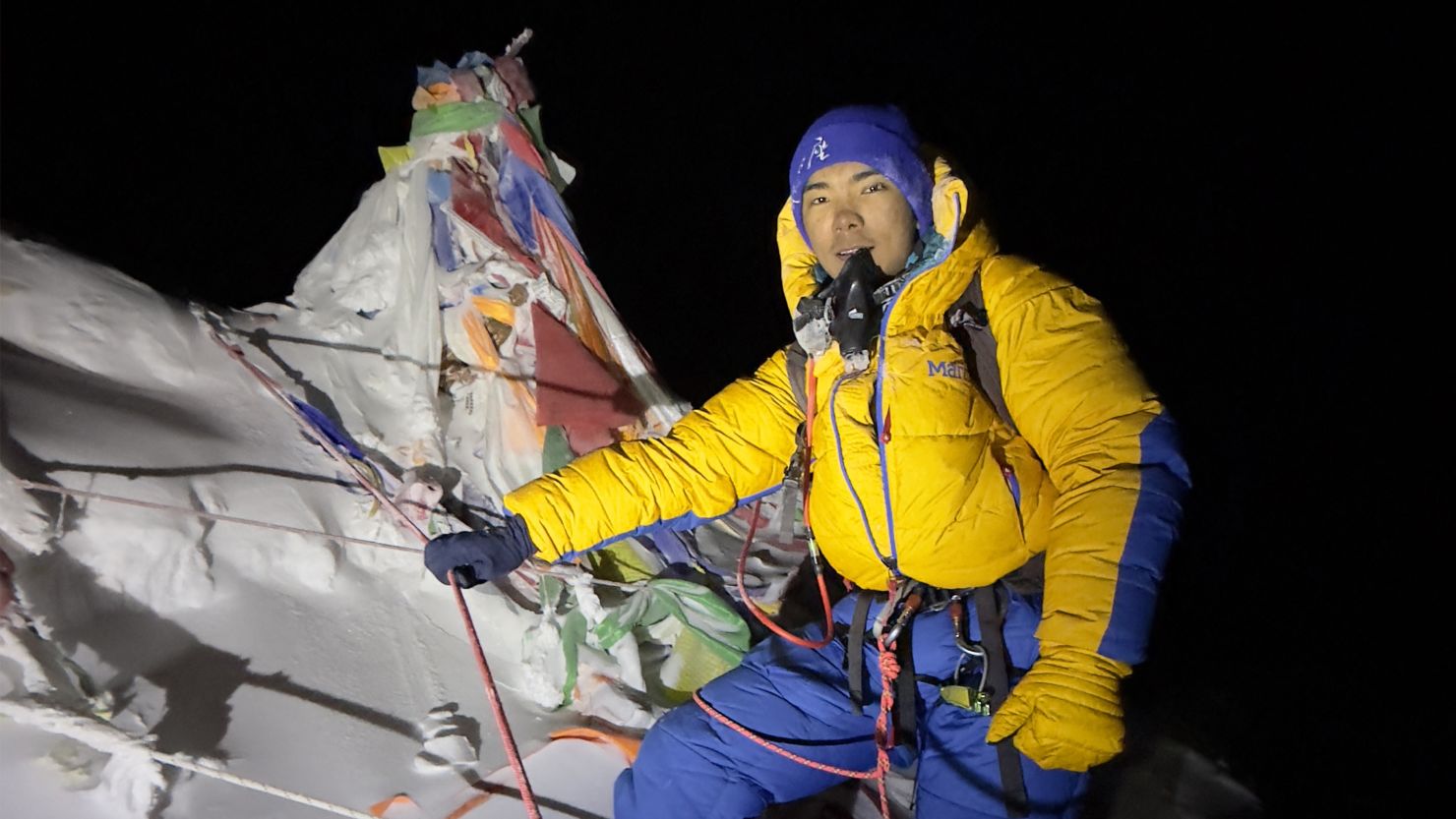
The record for the youngest person on Mount Everest belongs to Jordan Romero, an American boy who reached the 29,032-foot summit on May 22, 2010. He was exactly 13 years, 10 months, and 10 days old. Just a few years later, an Indian girl named Malavath Poorna nearly snatched the title, summiting at 13 years and 11 months.
These aren't just statistics. They are stories of extreme controversy, intense training, and the kind of grit most adults can't fathom.
The 13-Year-Old Who Conquered the World
Jordan Romero didn't just wake up and decide to climb Everest. It started with a mural in his elementary school hallway. The painting showed the Seven Summits—the highest peaks on each continent—and Jordan told his dad he wanted to climb them all.
Most parents would say, "That's nice, honey, eat your broccoli."
His dad, Paul Romero, was a paramedic with a background in high-altitude physiology. He took it seriously. By the time Jordan hit Everest, he had already checked off Kilimanjaro and Aconcagua.
The climb itself was a logistical headache. Nepal has a strict age limit—you have to be at least 16 to get a permit. To bypass this, Jordan’s team traveled to the north side of the mountain in Tibet. At the time, Chinese authorities didn't have a firm age floor.
He made the final push from Camp 4, climbing through the "Death Zone" where the air is so thin your cells literally begin to die. When he reached the top, he called his mom on a satellite phone. "Mom, I'm calling you from the top of the world!" he said.
Key Details of Jordan Romero’s Ascent:
- Date: May 22, 2010
- Route: North Ridge (Tibet/China)
- Team: His father, stepmother Karen Lundgren, and three Sherpas (Ang Pasang, Lama Dawa, and Lama Karma).
- Controversy: Sparked a global debate that eventually forced China to implement age restrictions.
Malavath Poorna: Breaking Barriers
If Jordan’s story is about a middle-class kid with a dream, Malavath Poorna’s is about defying destiny. Born into a family of Dalit farmworkers in Telangana, India, she was part of a government program designed to empower marginalized students.
She summited on May 25, 2014. She remains the youngest female to climb Everest.
Poorna later talked about the sheer terror of seeing dead bodies on the trail. "I saw six dead bodies," she told reporters. For a 13-year-old, that’s a lot of trauma to process while your lungs are burning for oxygen. She pushed through because she wanted to prove that girls from her background could do anything.
It’s a wild contrast to the commercialized "tourist" climbs we see today. Poorna wasn't there for a TikTok or a brand deal. She was there to change the narrative of an entire community.
Why You Can't Break This Record Anymore
Kinda sucks for any ambitious 12-year-olds out there, but the "youngest" record is effectively frozen.
After Jordan Romero’s climb, the mountaineering community went into a tailspin. David Hillebrandt, a medical advisor for the British Mountaineering Council, famously called Jordan a "token passenger" and suggested the climb was "verging on child abuse."
The logic? A 13-year-old's brain isn't fully developed enough to understand the "risk-to-reward" ratio of a mountain that kills one in every few dozen people who try. Plus, there are the physical risks. Stunted growth, permanent brain damage from hypoxia, and the fact that kids' bodies don't regulate temperature as well as adults'.
The Current Rules:
- Nepal: You must be at least 16 years old. No exceptions.
- China (Tibet): After the 2010 season, they set a limit for ages 18 to 60. You can sometimes get a "special permit" if you're younger, but it is incredibly rare now.
Basically, the authorities decided that Everest is no place for middle schoolers.
The Physiological Gamble
Let’s get nerdy for a second. At sea level, the air is about 21% oxygen. At the summit of Everest, it's the same percentage, but the air pressure is so low that your body only takes in about a third of the oxygen it's used to.
For a growing child, this is a nightmare.
Acute Mountain Sickness (AMS) hits kids differently. They can't always articulate that their head hurts or they feel dizzy; they might just get "fussy" or "lethargic," which are easy to mistake for regular tiredness. If AMS turns into High-Altitude Cerebral Edema (HACE)—where the brain swells with fluid—you have hours, not days, to get them down.
There's also the "Sherpa factor." Critics argue that a child isn't "climbing" the mountain so much as they are being managed by a team of elite professionals who do all the heavy lifting. Does it count if you aren't making your own survival decisions? Mountaineers have been arguing about this for decades.
Other Notable Young Climbers
While Jordan and Poorna hold the top spots, a few others paved the way before the rules tightened:
- Ming Kipa Sherpa: A Nepalese girl who summited in 2003 at age 15. Because Nepal wouldn't give her a permit, she also had to climb from the Tibetan side.
- Temba Tsheri: At 16, he became the youngest at the time (2001). His story is a cautionary tale—he lost five fingers to frostbite because he spent too much time near the summit and his gloves weren't adequate for his smaller hands.
- Tyler Armstrong: He climbed Aconcagua at age 9, but even with his massive resume, he was denied an Everest permit by the Chinese government when he was 12.
Actionable Insights for High-Altitude Dreams
If you have a kid who’s obsessed with climbing, or you’re a young person yourself looking at the peaks, you won't be breaking the Everest age record. But you can still build a career in the mountains.
- Focus on the "Seven Second Summits": These are often technically harder than the main Seven Summits and command way more respect in the climbing community.
- Master Technical Skills: Instead of chasing altitude, chase difficulty. Learn ice climbing in the Rockies or the Alps. Being the youngest person to lead-climb a Grade V ice route is more impressive to pros than being a "passenger" on an Everest fixed line.
- Study High-Altitude Medicine: If you're going to go high, you need to understand what is happening to your blood pH and your lungs.
- Respect the Limits: The age limits exist because people died. The mountain doesn't care about your birthday.
Mountaineering is shifting away from "youngest/oldest" records and moving toward "fastest" or "newest route." The era of the 13-year-old Everest climber is likely over, and honestly, given the risks involved, that’s probably for the best.
If you want to get serious about mountaineering, start with a local Alpine club. Build the lungs, build the skills, and wait until your bones are fully fused before you take on the Death Zone.