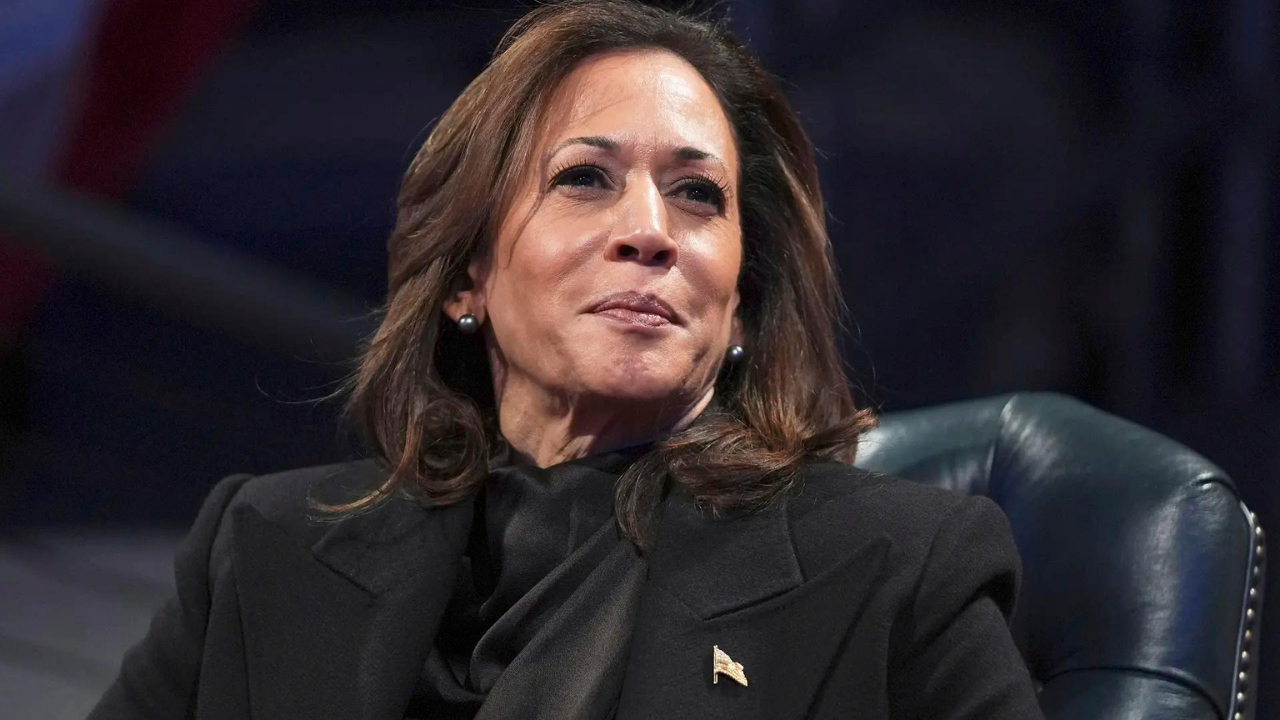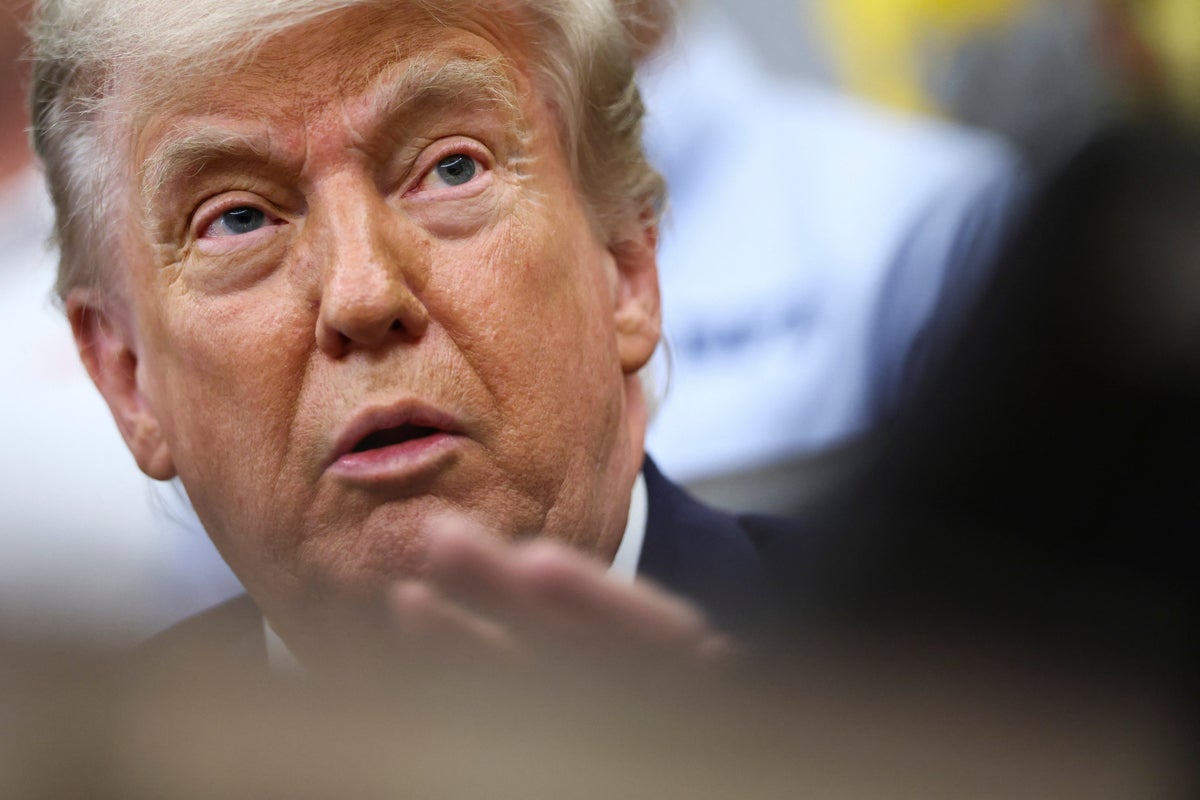
Donald Trump’s frequent assertions that American elections are more corrupt than those in developing nations represent a calculated political strategy designed to systematically erode public confidence in democratic institutions. This rhetoric does not merely comment on the system; it actively reshapes it by conditioning millions of voters to view any electoral defeat as inherently fraudulent. By examining historical precedents, institutional safeguards, and the psychological mechanisms of political grievance, it becomes clear that the primary threat to American democracy is not widespread voter fraud, but the deliberate normalization of electoral delegitimization. This strategy carries profound, long-term consequences for national stability and governance.
The narrative of the rigged election has become a core pillar of modern populist politics. When a political leader suggests that the democratic process is fundamentally broken, they are not offering a critique aimed at reform. They are laying the groundwork for institutional defiance. This tactic serves a dual purpose: it absolves the leader of political failure while simultaneously providing a ready-made justification for disrupting the peaceful transfer of power. If you enjoyed this article, you might want to look at: this related article.
The Anatomy of the Rhetorical Assault
To understand the impact of this rhetoric, one must look at how it compares to actual global electoral standards. International observers, including groups like the Organization for Security and Co-operation in Europe, regularly monitor American elections. While they frequently identify structural flaws, such as restrictive voter registration laws, gerrymandered districts, and the outsized influence of dark money, they consistently report that the actual mechanics of voting—ballot casting, collection, and counting—are highly secure.
Comparing the American electoral system to those of authoritarian regimes or unstable democracies ignores the decentralized nature of US elections. Voting in the United States is run by thousands of independent local jurisdictions, each with its own procedures, equipment, and bipartisan oversight. A centralized, nationwide conspiracy to alter vote totals is logistically impossible because there is no single point of failure. For another angle on this development, see the recent update from USA Today.
Instead, the rhetoric relies on exploiting minor administrative errors or routine adjustments to standard procedures. A temporary delay in counting mail-in ballots or a typographical error in a local tally is reframed as definitive proof of a vast, coordinated conspiracy. For a receptive audience, these isolated incidents serve to confirm a preconceived narrative of systemic corruption.
Institutional Safeguards Against Mass Fraud
The assertion that American elections are structurally compromised collapses under legal and bureaucratic scrutiny. Following the 2020 presidential election, dozens of legal challenges were mounted in state and federal courts across the country. These cases came before judges appointed by both political parties, including judges appointed by Trump himself. In virtually every instance, the claims of widespread fraud were dismissed due to a complete lack of credible evidence.
The American electoral system relies on several layers of verification that make systemic manipulation incredibly difficult to execute.
- Bipartisan Election Administration: At the local level, polling places and counting centers are staffed by workers representing both major political parties. Challengers and observers from all campaigns are permitted to monitor the process in real time.
- Paper Trails and Audits: The vast majority of Americans now vote using paper ballots or electronic machines that generate a verifiable paper trail. This allows for physical audits and recounts to verify that the digital tallies match the physical votes.
- Pre-Election Testing: Voting machines undergo public logic and accuracy testing before election day to ensure they are counting votes correctly and have not been tampered with.
- Post-Election Canvassing: Before results are certified, local election boards conduct a meticulous review of all logs, poll books, and provisional ballots to resolve any discrepancies.
These mechanisms ensure that errors are caught and corrected as part of the normal administrative process. They demonstrate that the system is resilient, transparent, and bound by strict legal frameworks.
The Exploitation of Democratic Vulnerabilities
The real vulnerability in American democracy is not technical; it is psychological. The decentralization that makes the system secure against top-down manipulation also makes it confusing to the general public. Every state has different rules regarding mail-in voting, signature verification, and ballot drop boxes. This patchwork of regulations creates confusion, which political actors can easily exploit to breed suspicion.
Consider the phenomenon known as the shift in vote tallies during extended counts. In many states, in-person votes cast on election day are counted first, followed by mail-in and absentee ballots. Because partisan preferences often dictate how people choose to vote—with one party favoring in-person voting and the other favoring mail-in options—the reported totals can shift dramatically as the night progresses. This is not evidence of fraud; it is the predictable result of statutory counting sequences. Yet, by labeling this standard process as fraudulent, a political leader can turn a routine administrative procedure into a source of public outrage.
This exploitation relies heavily on the echo chambers of modern media. When an unsubstantiated claim of fraud is introduced, it is rapidly amplified across digital networks, talk radio, and partisan television outlets. By the time election officials provide a factual clarification, the original false narrative has already been accepted as truth by millions of voters. The correction rarely catches up to the accusation.
Long-Term Erosion of the Democratic Fabric
The consequences of normalizing the rhetoric of stolen elections extend far beyond any single election cycle. It fundamentally alters the relationship between the citizen and the state. When voters lose faith in the integrity of the ballot box, the very legitimacy of the government is called into question.
The Decline of Civil Discourse and Compliance
If a significant portion of the population believes that the governing administration achieved power through illicit means, they are far less likely to accept its authority. This leads to a decline in civic compliance, an increase in political polarization, and a heightened risk of political violence. The peaceful transfer of power relies on a shared agreement that the rules of the game are fair, and that the loser accepts the outcome. Once that agreement is broken, the stability of the republic is jeopardized.
The Bureaucratic Toll on Election Workers
Another critical, yet often overlooked, consequence is the immense pressure placed on local election officials and volunteer poll workers. These individuals, who are often neighbors and community members working for little to no pay, have become the targets of harassment, death threats, and intense public scrutiny.
This hostile environment has led to a mass exodus of experienced election administrators across the country. Replacing these seasoned professionals with less experienced personnel increases the likelihood of administrative errors in future elections, which will undoubtedly be used by bad actors to fuel further conspiracy theories.
The Flawed Logic of Third-World Comparisons
The comparison of American elections to those in third-world nations is not only inaccurate, but it also reveals a profound ignorance of what actual electoral authoritarianism looks like. In genuinely corrupt systems, opposition candidates are routinely jailed, independent media outlets are forcibly shut down, and state resources are openly used to fund the incumbent's campaign. State-controlled electoral commissions simply fabricate numbers out of thin air, with no mechanism for independent verification or judicial review.
In contrast, the American system allows for vigorous opposition, extensive legal challenges, and open public debate. The fact that a sitting president could challenge an election outcome in court dozens of times, and have those challenges rejected by the independent judiciary, is proof of institutional strength, not weakness. It demonstrates that the rule of law still supersedes political ambition.
The rhetoric of corruption is a projection designed to mask the speaker's own unwillingness to abide by democratic norms. By convincing the public that the system is thoroughly corrupt, the leader creates a moral justification for using undemocratic means to seize or retain power. If the other side is cheating, the logic goes, then we are justified in doing whatever it takes to win.
Fortifying the System Against Cynicism
Countering this assault on democracy requires a multi-pronged approach that addresses both the structural realities of election administration and the psychological vulnerabilities of the electorate.
- Standardizing Core Procedures: While keeping election administration local, states should work toward greater uniformity in key areas, such as the processing of mail-in ballots, to eliminate the confusion that feeds conspiracy theories.
- Proactive Public Education: Election officials must engage in continuous, transparent communication about how elections work long before voting begins. Showing the public the testing of machines, the security of storage facilities, and the bipartisan nature of the count can demystify the process.
- Protecting Election Personnel: Federal and state laws must be strengthened to provide robust protection for election workers, ensuring they can perform their duties free from intimidation and fear.
- Responsible Leadership: Political parties and civic leaders must draw a hard line against the unsubstantiated delegitimization of election results, recognizing that sacrificing public trust for short-term political gain damages the nation as a whole.
The true strength of a democracy lies not in the perfection of its mechanics, but in the collective willingness of its citizens to trust the process, even when their preferred candidate loses. Dismantling that trust is an act of political sabotage that leaves the nation vulnerable to instability, fragmentation, and the eventual rise of genuine authoritarianism. The defense of the vote begins with the defense of the truth.