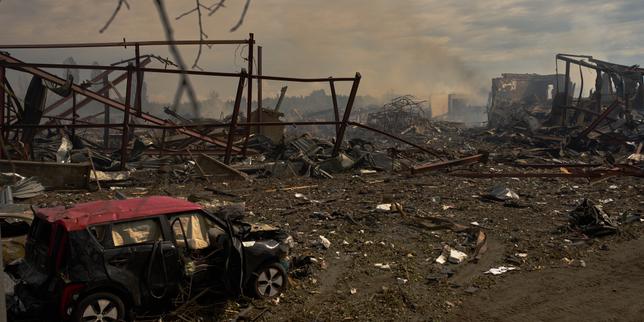
Foreign policy in Washington operates on a recurring loop of wishful thinking. When American leaders order air strikes against Iranian targets, they routinely expect two outcomes: a crippled state apparatus and an oppressed population rising up to overthrow the regime. It never happens. Instead, bombs drop, the Iranian government tightens its grip, and the expected domestic revolt evaporates before it even starts.
Analyst Trita Parsi, executive vice president of the Quincy Institute for Responsible Statecraft, points out that this strategy fundamentally misreads political dynamics on the ground. Rather than fracturing the ruling establishment, military aggression creates a powerful nationalist rallying effect. When foreign warplanes attack infrastructure or military sites, citizens who might deeply despise domestic clerical rule suddenly find themselves facing an external existential threat. Survival instincts kick in. Defending the nation against foreign ordnance takes precedence over launching a domestic revolution.
The Flawed Logic of Compellence
The core error lies in confusing coercion with capitulation. Washington operates under the assumption that severe military pressure will force Tehran to surrender its strategic regional objectives and yield to sweeping American demands. History proves the exact opposite.
- The Rally Effect: External strikes instantly unify a fractured public against a common foreign enemy.
- Deterrence Shift: Tehran abandoned its old doctrine of strategic patience in favor of immediate, severe retaliation.
- Economic Fallback: When military tactics fail to secure political victory, administrations cycle back to crushing economic sanctions, creating an endless loop of escalation.
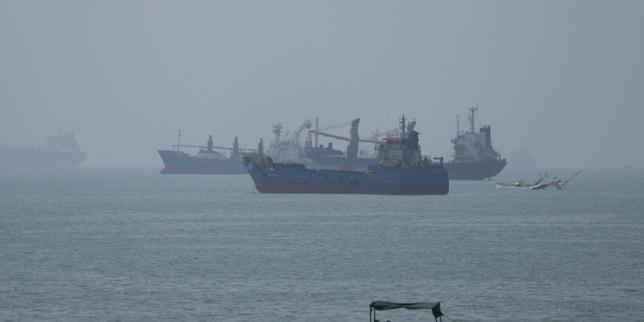
This cycle traps U.S. foreign policy in perpetual motion without progress. The Iranian rial hits record lows due to renewed financial blockades, yet the political leadership refuses to fold. Depleted U.S. munitions stockpiles and blocked shipping lanes in the Strait of Hormuz demonstrate the steep physical costs of this approach.
Why Domestic Uprisings Fail to Materialize
Outsiders often mistake widespread economic misery and social discontent for a primed revolutionary powder keg. Protests do erupt inside Iran over inflation, job scarcity, and civil liberties. But organic domestic protest movements operate on entirely different terms than externally engineered regime change.
When foreign powers intervene with bombs, they hand the regime the ultimate rhetorical weapon. State media immediately frames all internal dissent as foreign-backed treason. Activists who want economic reform or social freedom suddenly get cast as tools of Washington. The regime uses the incoming airstrikes to justify emergency security measures, mass arrests, and the total silencing of opposition voices.
Diplomatic mediation attempts, such as regional efforts by Pakistan to broker lasting ceasefires, continually crash against this wall of mutual hostility. Each round of kinetic engagement makes future compromise harder to reach. As long as Washington relies on military force to trigger internal collapse, it will continue producing the exact opposite outcome: a more entrenched, defiant state prepared for endless asymmetric retaliation.
Trita Parsi on Breakdown of U.S.-Iran Ceasefire
This discussion provides a detailed look at why military interventions backfire and escalate regional tensions.
:max_bytes(150000):strip_icc():focal(999x0:1001x2)/dax-shepard-kristen-bell-emmy-awards-101725-84c11999ef38483e8535a5e109735a38.jpg)