You booked the flight to Rome. You mapped out the trattorias, the museums, and the gelato spots. Then you remembered the stones. Ancient European alleys aren't paved with smooth asphalt; they feature uneven, centuries-old cobblestones that punish unprepared feet within the first twenty minutes.
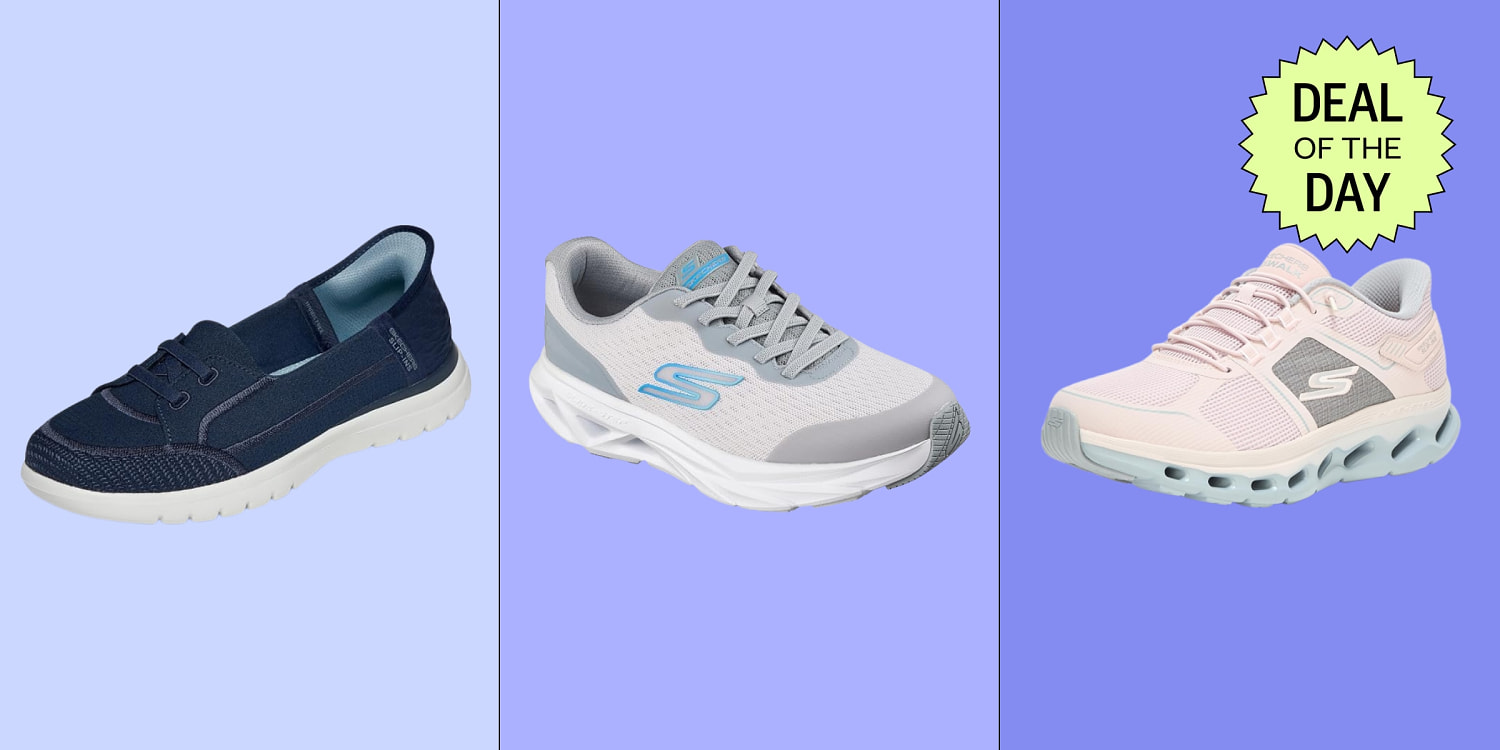
Most travelers make the fatal mistake of packing brand-new fashion sneakers or flat leather sandals. By afternoon two, their arches scream in agony. If you want to survive twelve miles of daily sightseeing without crying on a historic bridge, you need footwear built for brutal urban terrain. Right now, major markdowns on supportive travel shoes like Skechers offer up to 49% off, making it an ideal window to upgrade your gear before departure.
The Brutal Truth About European Pavement
Cobblestones look charming on Instagram. In reality, they are miniature foot-wreckers. Every step on an uneven rock forces your ankle to stabilize in ways it never does on flat concrete. Standard fashion kicks offer zero shock absorption.
I learned this the hard way in Florence. Wearing cute canvas trainers, I managed exactly three blocks of uneven stone before my heels felt bruised. The lack of midfoot support transferred every single impact straight up my shins. You cannot wing it with footwear when traveling abroad. You need dense cushioning, supportive insoles, and outsoles that grip wet stone when it rains.
What to Look for in Historic City Sneakers
Don't just buy any random pair labeled "comfortable." Travel shoes need specific technical traits to handle cities like Paris, Rome, and Prague.
- Thick, shock-absorbing midsoles: Foam or air-cushioned soles absorb the brutal impact of stone pavement.
- Arch support: Podiatrist-certified inserts or built-in arch contours prevent plantar fasciitis flare-ups during long walking days.
- Breathability: Walking twenty thousand steps creates heat. Mesh uppers stop your feet from overheating and developing blisters.
- Traction: Smooth rubber outsoles slide dangerously on wet European limestone. Look for tread patterns that bite into slick surfaces.
Why Current Sales Matter for Travelers
Good gear costs money, but timing matters. Right now, seasonal markdowns cutting prices by nearly half on high-comfort brands give you a smart way to gear up without blowing your entire vacation budget.
When shopping active footwear lines, look specifically for models featuring memory foam or arch fit technology. Slip-in styles also save massive amounts of time at airport security checkpoints, which counts as a major bonus when you're rushing through terminals.
Break your new shoes in two weeks before you leave. Never wear brand-new kicks straight off a plane into a foreign city. Take them on local grocery runs, wear them around your house, and make sure they feel molded to your feet. Pack two alternating pairs if you have room, letting one dry out and decompress while you wear the other. Your feet carry the entire weight of your trip. Treat them right, and those ancient streets become an adventure instead of an endurance test.