Every frequent flyer develops a specific kind of internal geometry. You measure your life not in years or months, but in terminal gates, endless corridors, and the heavy, metallic taste of recycled air. Nowhere is that geometry more fractured than at Washington Dulles International Airport.
Picture Sarah, a hypothetical government consultant who makes this trek twice a week. She lands on a crisp Tuesday morning, her mind already racing toward a complex briefing downtown. But before she can reach a car, she enters a logistical labyrinth. She steps off a jet bridge only to board a rumbling, lumbering dinosaur of transit history: a mobile lounge, affectionately or bitterly known as a people mover. These elevated buses, built in an era when designers thought giant mechanical pods were the future of flight, groan across the tarmac at a crawl. In other updates, we also covered: Why Walking Europe On Cobblestones Demands Better Shoes Than You Think.
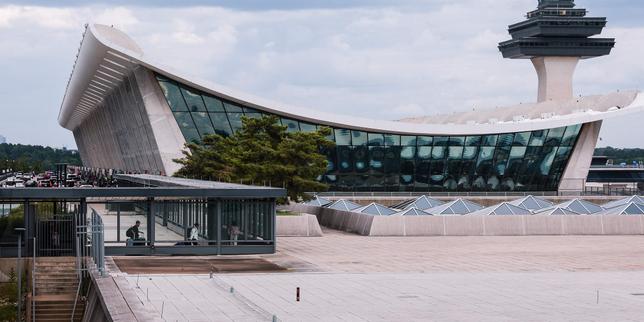
For decades, travelers like Sarah have endured this ritual. You get off a plane, ride a bus, transition to a subterranean train, and walk distances that feel punitive. The architecture tells a split story. On one hand, Finnish architect Eero Saarinen crafted a masterpiece of mid-century modern design—a main terminal with a sweeping, concave cable roof that catches the eye and lifts the spirit. On the other hand, step past that grand facade into the C and D concourses, and you encounter basic structural exhaustion. They smell faintly of lingering jet fuel, stretch out in agonizingly long lines, and function as a daily exercise in frustration.
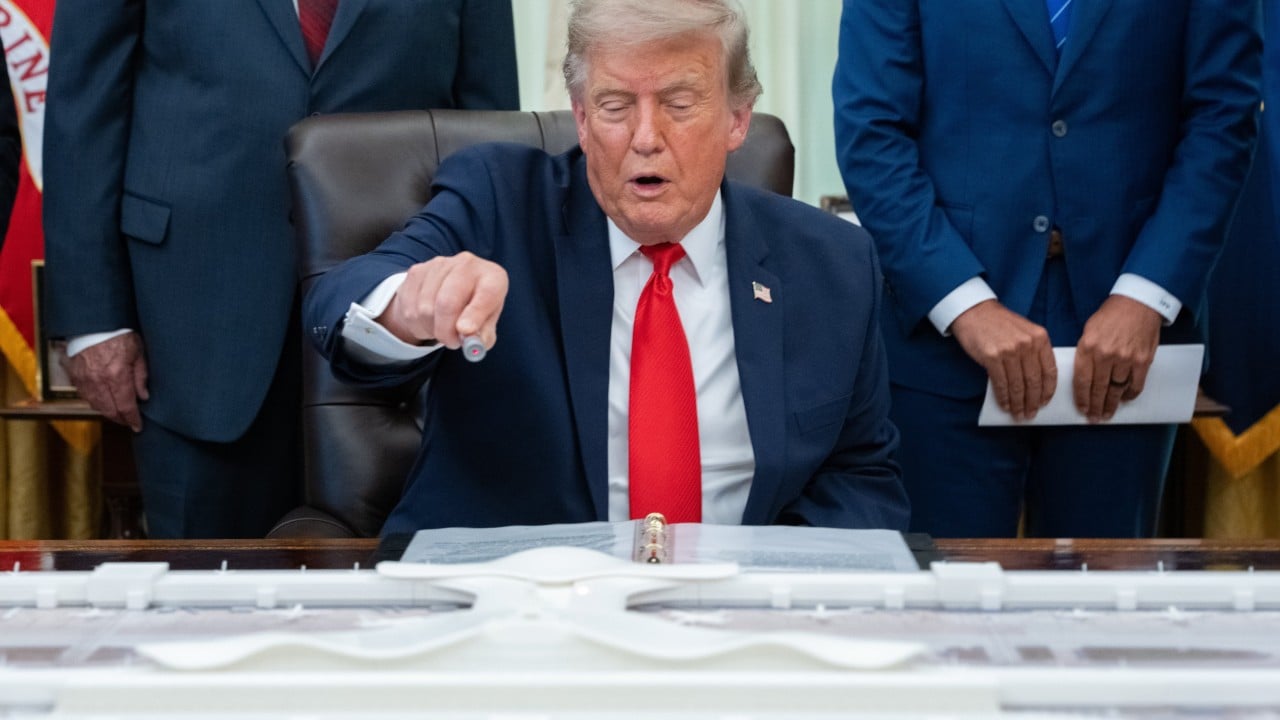
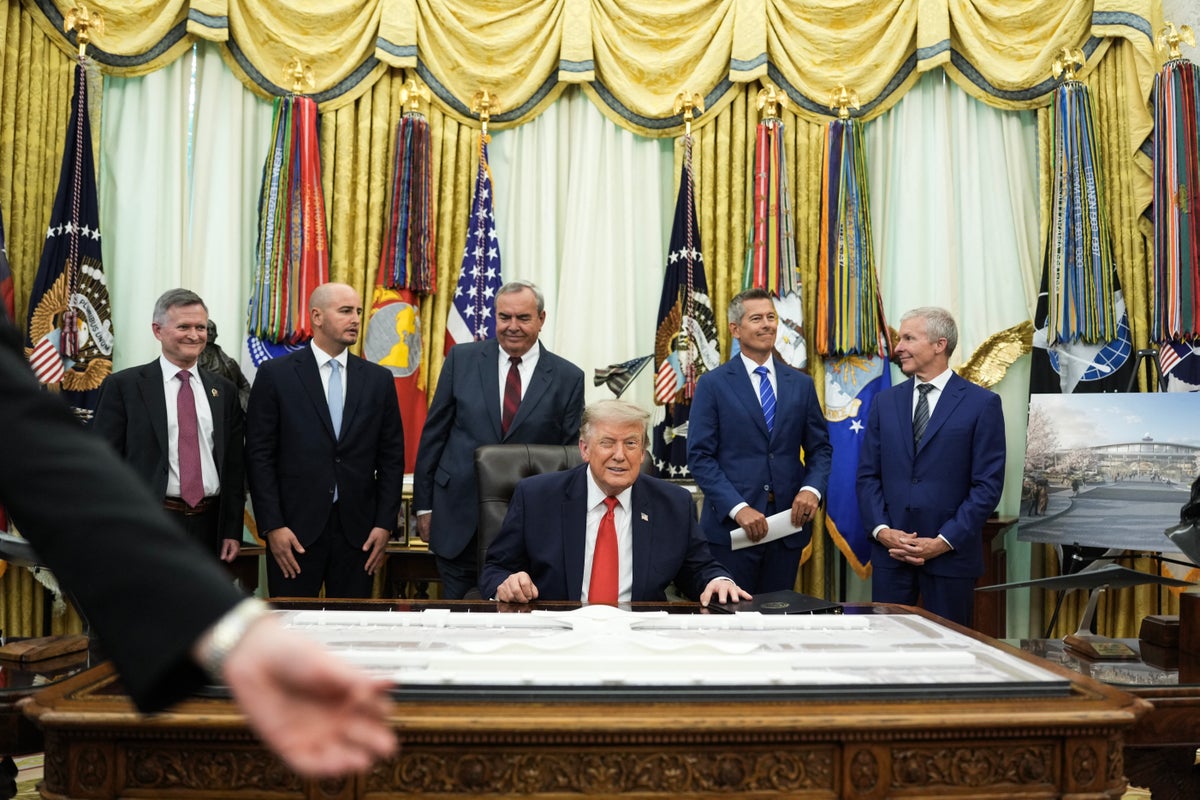
President Donald Trump looked at this very layout from the Oval Office, flanked by Transportation Secretary Sean Duffy and United Airlines CEO Scott Kirby, and called it what many whisper in the boarding lines: one of the worst airports in the world. Condé Nast Traveler has provided coverage on this fascinating subject in extensive detail.
The remedy proposed is staggering in scale. A $22.5 billion transformation designed to wipe away the inefficiencies that have plagued the national capital region's primary international gateway.
Consider what happens next.
The blueprint discards the slow, clumsy people movers entirely. In their place, planners envision a fluid, horseshoe-shaped underground train system complemented by central walking tunnels and moving sidewalks. Over 5 million square feet of new or renovated space will rise. The rotting, cramped C and D concourses are slated for total replacement, making way for four brand-new concourses. An immense, above-ground parking garage with 32,000 spaces will anchor the complex much closer to the main terminal, bypassing the miles of asphalt navigation currently required.
Yet, any massive public works undertaking carries hidden friction. Financing this monumental shift relies not on direct federal taxpayer handouts, but on a coalition of airport-generated municipal bonds and airline contributions, heavily driven by United Airlines' deep investment in its northern Virginia hub. Industry analysts point out a quiet reality: corporate investments of this magnitude eventually ripple outward. Passengers often shoulder the downstream costs through adjusted ticket prices or facility fees.
Furthermore, history warns us that grand ambitions in the capital region face bureaucratic gravity. While the timeline points toward completion around 2034, transforming a sprawling, active international airport without grinding daily travel to a halt is like performing open-heart surgery on a runner mid-marathon.
Still, the emotional core of the project remains simple. Saarinen gave the capital a great building. Now, the goal is to give it a functional soul.
Imagine Sarah ten years from now. She lands under the sweeping concrete curves of Saarinen's roof, steps seamlessly onto a fast-moving horseshoe train, and exits into the fresh Virginia air without a single glance at a mobile lounge.
The concrete cathedrals of travel do not have to be cages. Sometimes, with enough capital, political will, and a laser pointer in the Oval Office, we find the courage to tear down what doesn't work, preserve what is beautiful, and finally pave a straight line toward the future.