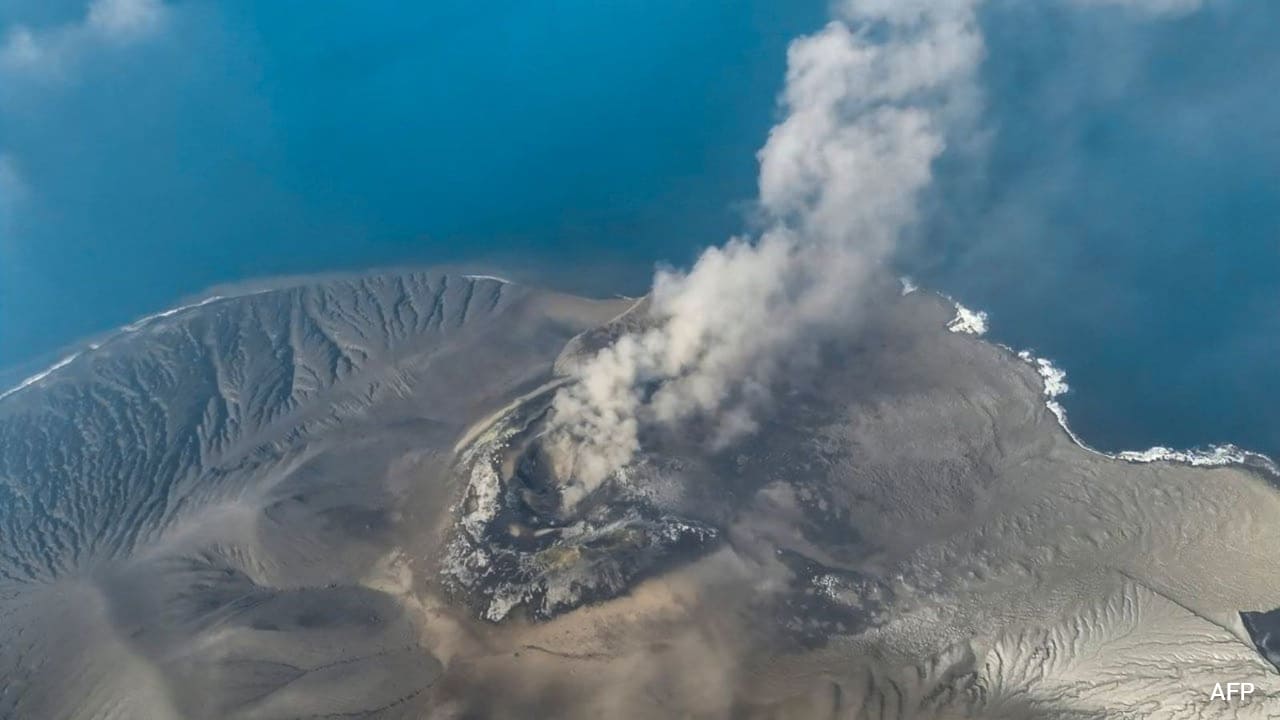
Mount Ruang decided to rewrite travel itineraries for nearly two hundred thousand passengers overnight. When aviation authorities shut down airports because of heavy ash plumes, travel plans instantly collapsed. You're sitting in a departure lounge or stranded miles away from your intended destination. Flight boards flash red. Customer service desks turn into chaotic holding pens.
If you think airlines will effortlessly swoop in to save your trip, you're in for a rude awakening. If you liked this article, you might want to check out: this related article.
Volcanic eruptions are classified as extraordinary circumstances under most international aviation regulations. That single legal distinction means airlines often dodge heavy compensation payouts for flight cancellations triggered by natural disasters. They have to get you home eventually, but your timeline is entirely secondary to safety protocols and equipment repositioning.
You need to know how to navigate this mess before it happens to you. For another perspective on this story, check out the recent update from Travel + Leisure.
Why Volcanic Ash Grounds Modern Jets
Jet engines and volcanic ash are a catastrophic mix. When a plane flies through an ash cloud, microscopic silicate particles melt inside the hot turbine. They fuse into glass-like deposits on turbine blades, choking airflow and causing engines to flame out entirely.
Commercial aviation learned this lesson the hard way. In 1982, a British Airways flight accidentally flew into an ash cloud over Mount Galunggung in Indonesia. All four engines failed. The aircraft dropped thousands of feet before the crew managed to restart the engines in clean air.
Safety regulators take zero chances now. The moment an eruption sends ash billowing into flight corridors, airspace closes immediately. You can't argue with physics. You can't bypass nature. When Mother Nature clears her throat, the skies empty out.
The Immediate Playbook When Your Airport Shuts Down
Chaos is the default state of any major travel hub during a sudden closure. Thousands of displaced travelers flood check-in counters. Phone lines melt down. Apps crash under the sudden spike in web traffic.
If you're caught in the middle of an Indonesia-style flight shutdown, standard patience will leave you stranded for days. You have to act fast.
Ignore the physical queue at the airline desk. While you stand in a line that moves two inches every ten minutes, hundreds of other passengers are hammering the same agents. Pull out your phone and open the airline's mobile app. Better yet, call the airline's international customer service line. If you are flying with a foreign carrier, try calling their call center in a different country where time zones mean lower call volumes.
Always look for alternative routing options yourself. Don't wait for an agent to figure out your itinerary. Handing a ticketing agent a specific, workable alternative flight path makes their job easier. They will rebook you instantly just to clear you from their screen.
Travel Insurance Realities Nobody Talks About
Most travelers buy cheap credit card insurance and assume they are fully covered for natural disasters. Read the fine print. Many basic policies exclude volcanic eruptions, classifying them under acts of war or specific uninsurable perils.
If you purchased a dedicated travel insurance policy after a volcano started rumbling, your claim will get denied due to a pre-existing known event clause. Insurance companies track seismic activity the moment scientists record ground deformation.
When you travel through regions known for seismic volatility, look for "Cancel For Any Reason" add-ons or specific hazard coverage. It costs more upfront. It saves your wallet when flights freeze for a week.
Rethinking Alternative Transport When Skies Close
When airspace shuts down for days, airports transform into makeshift campgrounds. People sleep on plastic chairs. Luggage piles up mountain-high.
Smart travelers pivot away from aviation entirely. If you're stuck on an island or a region connected by ferries or regional rail, book those tickets immediately. During major disruptions, surface transport sells out within minutes.
Renting a car and driving sounds like a great backup plan until you realize thousands of other people have the exact same idea. Rental car fleets evaporate instantly. If you manage to secure a vehicle, keep in mind that volcanic ash isn't just a flight hazard. Heavy ash accumulation on roads reduces traction, ruins car engines through air intake filters, and scratches paintwork. Drive slowly. Change your cabin air filters frequently if you must navigate through an ash-affected zone.
Minimizing Your Risk Before Your Next Trip
You can't stop a volcano from erupting. You can control how vulnerable you are to the fallout.
Book itineraries that feature single carriers or alliance partners whenever possible. If you mix and match low-cost airlines on separate tickets to save a few bucks, you are entirely on your own when the first flight cancels. An interline agreement between major network carriers means they can legally and logistically hand your ticket over to a partner airline to get you moving again.
Keep a portable power bank, essential medications, and basic emergency cash in your carry-on bag. When infrastructure breaks down, digital payment terminals often fail alongside power grids and local internet routing. Cash keeps you fed, watered, and moving while everyone else waits for corporate approval to process a credit card.
The next time an ash cloud grounds a hundred thousand fliers, don't wait for instructions. Take control of your route, bypass the broken systems, and get moving.