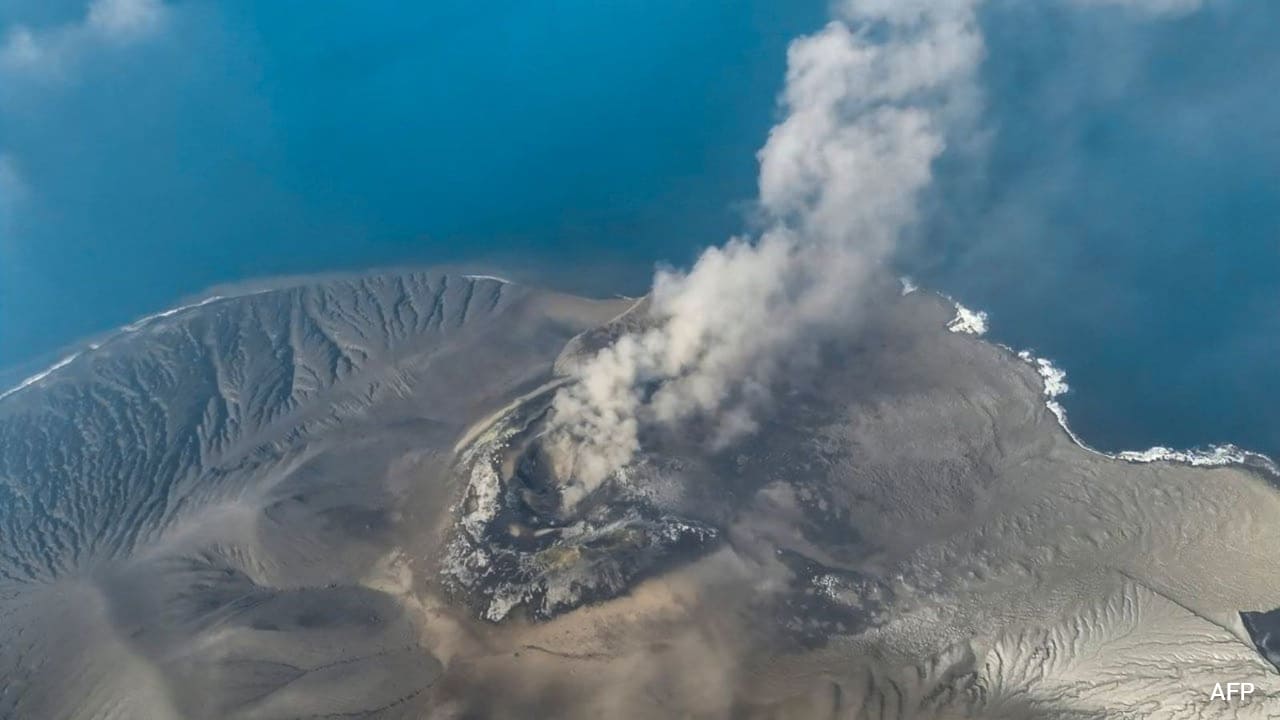
When Mount Anak Krakatau blew its top and sent an ash plume soaring 50,000 feet into the sky, it didn't just rattle the Sunda Strait. It stranded over 22,000 passengers and forced the immediate closure of Jakarta's Soekarno-Hatta International Airport along with seven other regional airfields.
If you're booked on a flight through Southeast Asia right now, you're likely scrambling. Let's look at what actually happens when an Indonesian volcano disrupts hundreds of flights, and how you can protect your itinerary when nature decides to rewrite your schedule.
The Reality of Volcanic Ash Zones
Volcanic ash isn't like normal dust. It's basically pulverized glass, jagged rock, and crystalline minerals. When jet engines ingest this material, the extreme heat melts the rock inside the turbine. It then solidifies on the cooler internal blades, choking airflow and causing engine failure. Pilots also can't see through windshields sandblasted by ash clouds.
That is why aviation authorities don't take chances. When Anak Krakatau erupted, satellite tracking spotted two distinct ash clouds moving across Java, Sumatra, and the vital shipping lanes of the Sunda Strait. Over 300 flights vanished from departure boards. Major carriers like Singapore Airlines, Qantas, and regional low-cost operators had no choice but to ground their fleets.
Why Indonesia Is a Global Aviation Chokepoint
Indonesia sits squarely on the Pacific Ring of Fire. This volatile horseshoe-shaped belt hosts nearly 130 active volcanoes. Anak Krakatau—the "Child of Krakatau" born from the infamous 1883 cataclysm—has been restless for years.
When it erupted on a Sunday morning following seismic rumblings that started late Friday, it proved how quickly regional transit can freeze. Beyond Jakarta's massive hub, smaller airports like Radin Inten II in Lampung went dark. Because Indonesia's island chain relies heavily on air connectivity for business and tourism, a single geological event cascades instantly into international delays stretching from Sydney to Doha.
What You Should Do If Your Flight Gets Canceled
Don't wait in the massive terminal queues if you can avoid them. Airport customer service desks get overwhelmed within minutes during these crises.
Use your airline's mobile app to rebook immediately while other passengers are still standing in line. Keep a close eye on Darwin Volcanic Ash Advisory Centre updates if you're tracking cloud movements. Check whether your travel insurance covers natural disaster disruptions, as many standard policies exclude volcanic activity unless you purchased a specific rider beforehand. Always verify alternative routing through unaffected regional hubs before speaking with a gate agent.
Pack extra medication and emergency cash in your carry-on bag whenever you transit through high-risk volcanic zones. Mother Nature operates on her own timeline, and staying flexible is your best defense against sudden airspace closures.