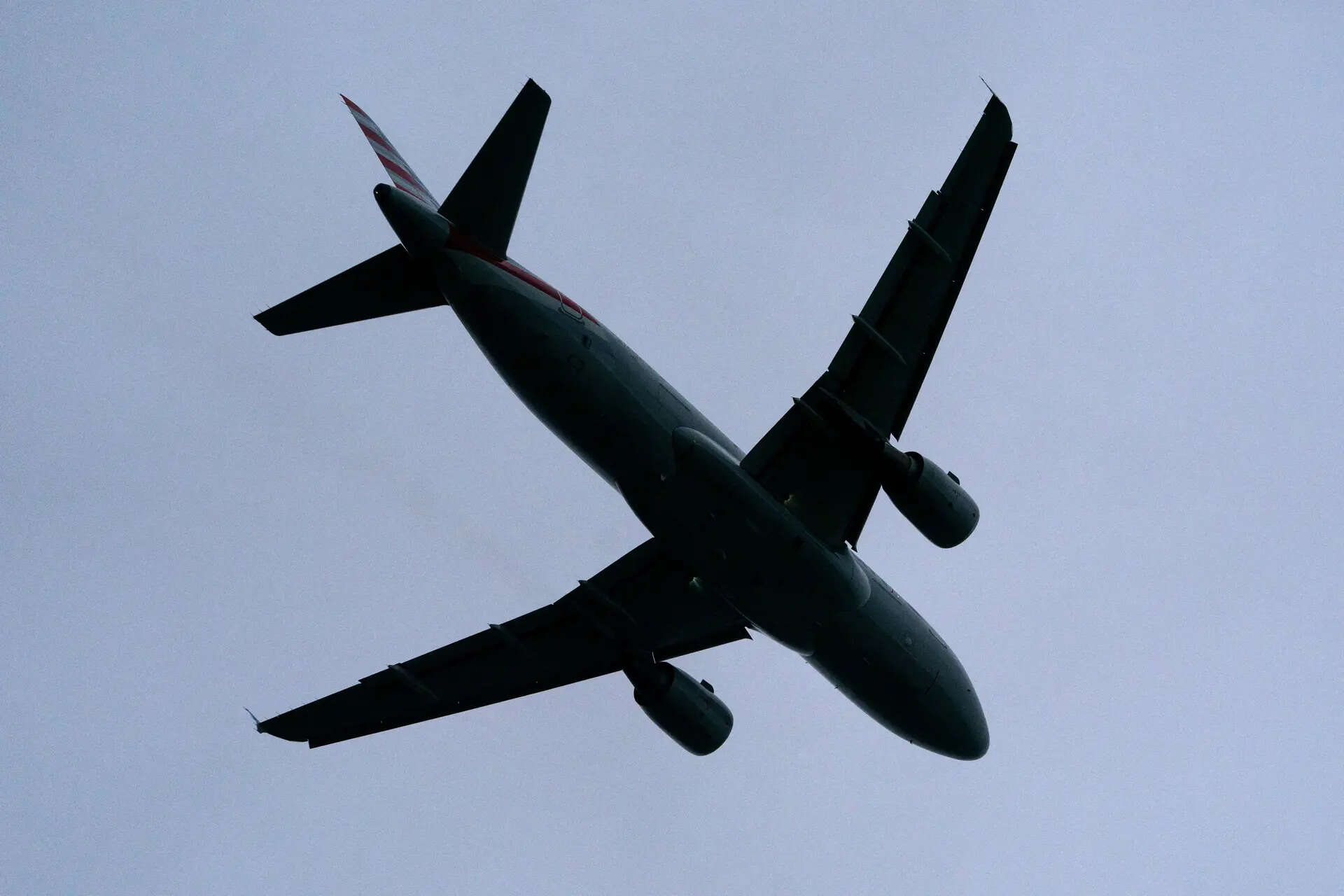
The sea does not care about flight plans. It does not look up when a silver hull traces a line across the Atlantic blue, nor does it pause its rhythmic churning when that line abruptly stops.
Out over the deep water, miles from the jagged edges of land, the atmosphere turns uniform. Blue above, blue below, separated only by a thin, indifferent horizon. It was into this vast emptiness that a Gulfstream IV vanished, slipping off radar screens as if it had simply chosen to step out of the world entirely. Meanwhile, you can find similar stories here: The Locked Door at Thirty Thousand Feet.
Before the silence closed in, there was the departure. Bermuda is an island of pastel rooftops and narrow, winding lanes, a small jewel set in an enormous ring of water. On a day that began with ordinary routines, a sleek business jet taxied down the tarmac. Six souls were on board. Crew members whose lives were defined by precise measurements, weather charts, and checklists. Passengers whose thoughts were anchored to destinations, meetings, or the simple anticipation of home.
They lifted off. The island shrank in the cabin windows, fading into a hazy smudge of green and white against the Atlantic. To understand the bigger picture, we recommend the excellent analysis by The Guardian.
Then came the climb. In aviation, the ascent is a ritual of transition. You leave the solid earth behind, punch through the lower clouds, and enter a sterile, high-altitude highway where the air is thin and cold. The Gulfstream IV is a machine built for this realm, engineered with twin turbofan engines and swept wings designed to swallow distance. It is a sanctuary of quiet leather seats and low-humming avionics, a bubble of civilization cruising at forty thousand feet.
Somewhere near Nantucket, the bubble burst.
Not with an explosion of fire that lights up the evening newsreel, but with a quiet, terrifying erasure. One moment, the transponder broadcasts a steady stream of telemetry. Altitude: stable. Speed: nominal. Position: logging coordinates across the North Atlantic corridor. The next moment, the blip on the air traffic controller's console becomes a ghost.
Air is an invisible ocean, and like water, it leaves no footprints. When a vessel sinks beneath the waves, there is often a slick of oil, floating debris, a cluster of bubbles rising to tell the tale. When an aircraft disappears over the open ocean, the search zone expands with every passing current. The sea swallows the evidence and locks its jaws.
Consider the physics of altitude and distance. At cruising speeds, a modern jet covers miles every minute. If an anomaly occurs—a sudden structural failure, a rapid decompression, an electrical catastrophe that plunges the flight deck into darkness—the crew has mere seconds to diagnose the disaster before panic sets in. There is no shoulder to pull over onto. There is no roadside assistance at Mach 0.8. There is only the sky, vast and unyielding, and the heavy burden of gravity.
Rescue coordination centers swing into motion with terrifying speed once a plane goes overdue. Telephones ring in darkened operations rooms. Satellites tilt their lenses downward, sweeping the white-capped swells for anything that looks out of place. Coast Guard cutters alter course, slicing through grey rollers that dwarf human ambition. Helicopters launch into the wind, their rotors beating a frantic rhythm against the damp air, crews scanning the horizon through salt-sprayed windshields.
Hours bleed into days.
For the families waiting on solid ground, time stops entirely. They exist in a cruel suspension, trapped between the final casual goodbye spoken at a gate and the agonizing possibility of what lies at the bottom of the continental shelf. Every ring of a telephone carries the weight of a verdict. Every knock at the door threatens to shatter whatever fragile hope remains.
This is the hidden tax of modern mobility. We board these pressurized tubes of aluminum and composite materials with casual indifference, trusting our lives to strangers in crisp uniforms and complex networks of satellites, radar towers, and maintenance logs. We treat flight as a commute, a mundane bridge between Monday morning and Friday night. We forget that we are suspended over an abyss.
The Gulfstream jet near Nantucket joins a long, haunting lineage of aviation mysteries. It reminds us of how thinly our control is stretched across the planet. We map the ocean floors, we photograph distant galaxies, yet a handful of human beings can board an advanced aircraft in the morning and vanish into thin air by afternoon, leaving behind only ripples on an empty sea and a quiet, aching question that refuses to drown.