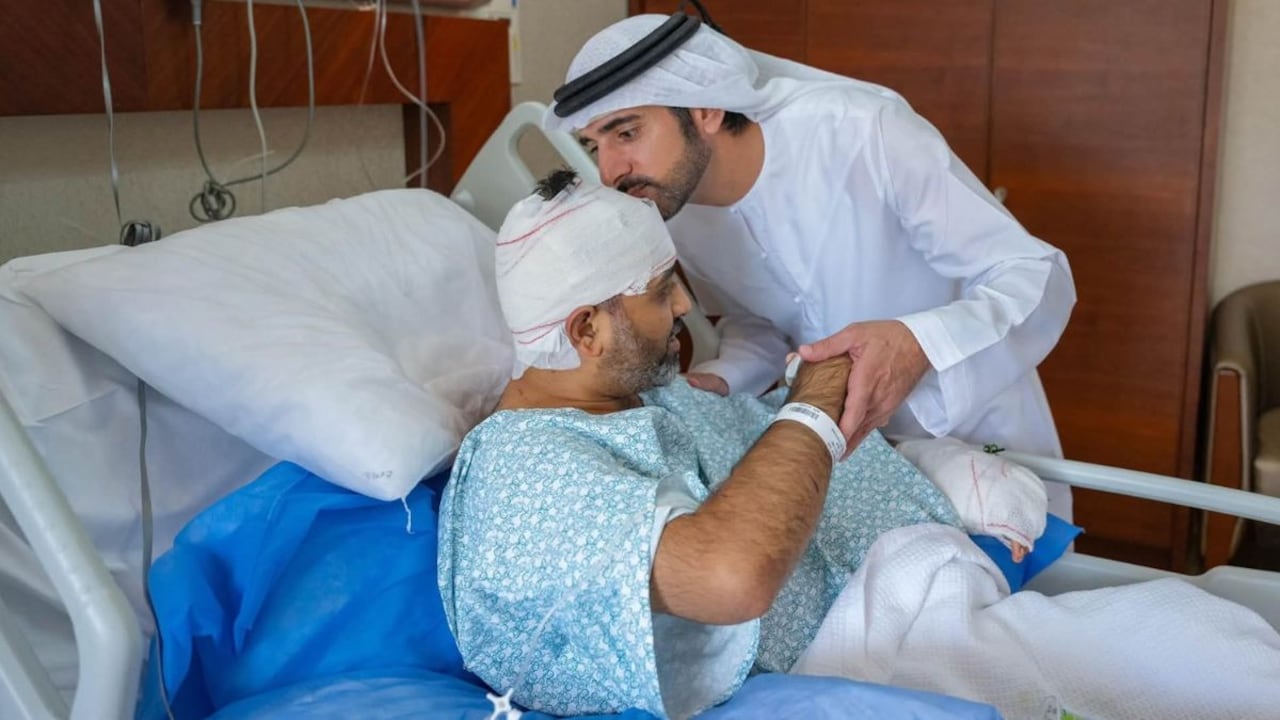
Crown Prince Sheikh Hamdan bin Mohammed bin Rashid Al Maktoum walked into a sterile hospital room last week to visit Smit Machchhar, a flydubai engineer whose life had suddenly intersected with the upper echelons of public visibility. The official photographs circulated through international news feeds within hours, capturing a moment of royal solidarity that fit neatly into the standard public relations machinery of modern city-states.
Yet beneath the polished PR veneer lies a deeper narrative about how modern aviation workforces absorb pressure, how corporate hierarchies react to frontline crises, and what happens when an ordinary aviation worker becomes a brief focal point for national attention.
Machchhar's hospital bed was not just a recovery room; it became an intersection point for statecraft, corporate optics, and the quiet fragility of the people who keep commercial fleets moving across international skies.
The Anatomy of Frontline Aviation Risk
Modern air travel relies on an invisible army of ground crew, maintenance engineers, and cabin staff whose work is rarely glamorous and frequently hazardous. When a high-profile figure like Sheikh Hamdan visits an injured worker, the gesture serves a dual purpose. It humanizes state leadership while inadvertently throwing light on the high-stakes environments where aviation technicians operate daily.
Engineering and maintenance operations inside major regional carriers run on unforgiving turnaround schedules. The demand for maximum fleet utilization means that maintenance windows are tight, environmental conditions on tarmac runways can be brutal, and the cognitive load on technicians is immense.
We rarely pause to consider the physical toll paid by the individuals tasked with signing off on airworthiness before a multi-million-dollar fuselage leaves the gate. When an incident occurs that requires hospitalization, the administrative machinery of the airline and the civil aviation authority swings into immediate crisis management mode.
Corporate Optics and Royal Diplomacy in Dubai
Dubai operates on a distinct social contract where corporate leadership, municipal authority, and royal oversight are tightly intertwined. Sheikh Hamdan’s visit to Machchhar was not an arbitrary act of personal charity. It was a calculated demonstration of leadership visibility.
In corporate structures across the Gulf, personal engagement from leadership carries immense weight. It sends an unmistakable signal to the thousands of expatriate and local workers who form the backbone of the region's transport infrastructure that individual welfare matters at the highest levels.
However, public relations triumphs often mask the structural vulnerabilities of frontline workforces. The real test of an organization's ethos is not how it manages the optics of a hospital bedside visit by royalty, but how transparently it investigates the root causes of workplace accidents and how ruthlessly it implements preventive safety reforms long after the cameras have left the room.
Beyond the Headlines
The news cycle moves fast. Within days, the images of the Crown Prince at the hospital bed will fade from the front pages, replaced by new route announcements, financial earnings reports, and tourism campaigns.
Smit Machchhar will return to private life, carrying the physical and psychological aftermath of whatever event landed him in that room. The aviation industry will continue its relentless expansion, driven by passenger demand and economic diversification goals across the Middle East.
True reform in aviation safety does not come from royal bedside visits, welcome as they may be to the injured individual. It comes from unglamorous, systemic investments in fatigue management, realistic maintenance schedules, uncompromising safety cultures, and a genuine refusal to prioritize schedule punctuality over human well-being.
The cameras captured a moment of grace. The hard work remains in the hangars and maintenance bays where no one is watching.


