You can't rebuild a war zone while everyone is still holding a loaded gun. That is the harsh reality sinking in right now in Gaza, where a fragile, US-brokered truce is rapidly coming apart at the seams.
The Board of Peace, an international body set up by US President Donald Trump to police the ceasefire, is about to take a massive gamble. In a leaked report obtained by The Associated Press, the board plans to formally ask the United Nations Security Council to force Hamas to disarm.
It sounds logical on paper. If you want peace, you take away the weapons. But out here in the messy real world of geopolitics, this demand has completely gridlocked the entire peace process. It turns out that getting a militant group to hand over its arsenal during an active, messy occupation is nearly impossible.
The Disarming Deadlock Paralyzing Gaza
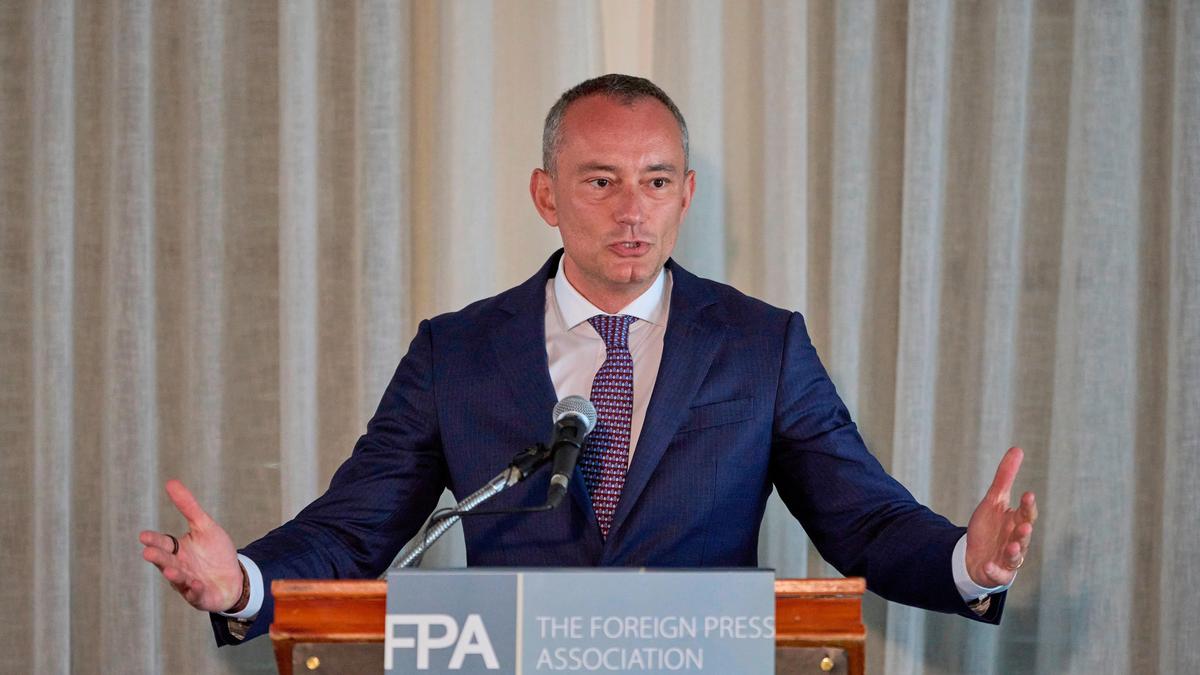
Former UN Mideast envoy Nickolay Mladenov, who now heads the Board of Peace, didn't hold back last week. He admitted the truce has been completely stuck since it took effect back in October. The core issue? Hamas refuses to give up its weapons, and Israel won't move forward without it.
"Reconstruction cannot commence where weapons have not been laid down," the board's upcoming report states flatly.
The board views Hamas' arsenal as the single biggest roadblock to everything else. Trump's 20-point ceasefire plan is highly ambitious. It calls for the total destruction of the network of tunnels under Gaza, the complete decommissioning of all armed groups, the arrival of a new Palestinian technocratic government, and the deployment of an international security force.
But Hamas isn't buying it. The group, which led the October 7, 2023 attacks that triggered this bloody two-year war, sees its weapons as its only leverage. They want a guaranteed, timebound withdrawal of Israeli forces before they even talk about demilitarization.
Right now, we have a classic chicken-and-egg dilemma. Israel won't leave until Hamas disarms. Hamas won't disarm until Israel leaves. While they argue, the truce is disintegrating.
Who is Violating the Ceasefire
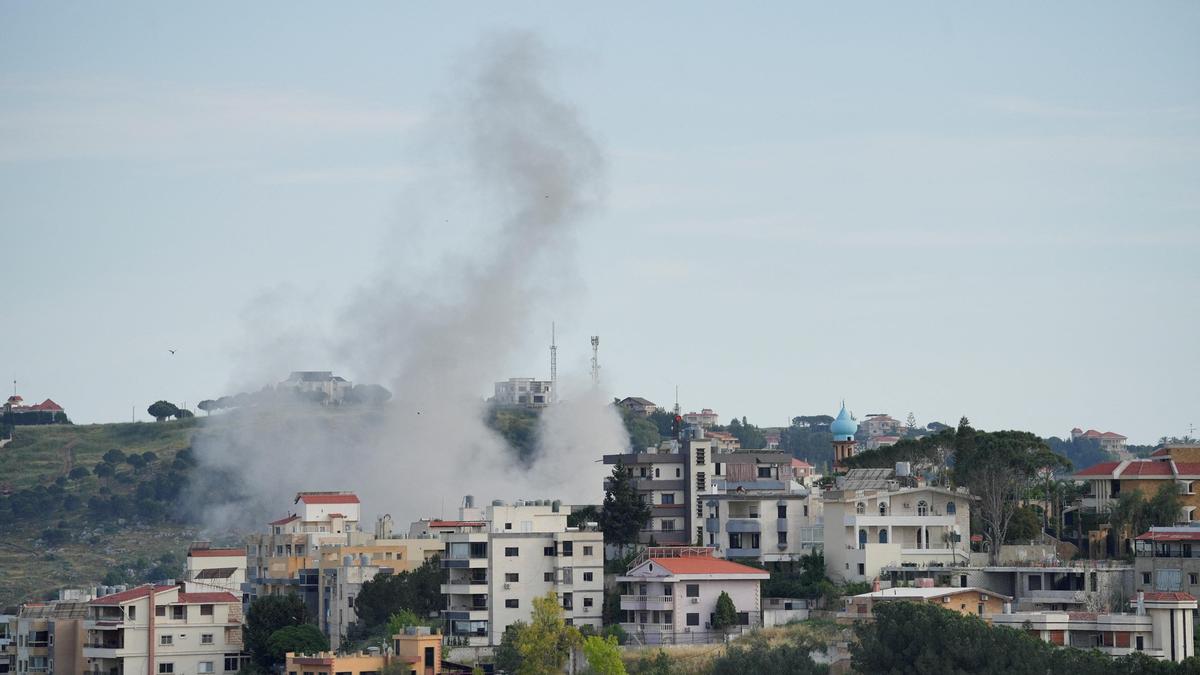
If you think a ceasefire means the fighting has stopped, you haven't been paying attention. The Board of Peace report notes near-daily violations from both sides. Civilians are still dying, families are living in absolute terror, and critical humanitarian aid is getting blocked.
The situation on the ground tells a very different story than the official press releases. Since the October truce took effect, the Israeli military has actually expanded its footprint. It now controls roughly 60% of the Gaza Strip, pushing deeper into areas than it was originally granted under the initial agreement. Airstrikes still happen.
Hamas hit back at the new report immediately, calling it full of fallacies. They argue the board is basically carrying water for the Israeli government. By focusing entirely on disarmament, Hamas claims the report ignores Israel's failure to open border crossings or allow in the basic construction materials needed to rebuild homes and infrastructure.
Honestly, both sides have a point, which is why Mladenov's office is stuck playing referee to daily violations while the bigger political framework rots.
What This Means for the 2 Million People in Tents
While politicians in Geneva and New York debate the semantics of "verified decommissioning," the human cost is staggering. Most of Gaza's 2 million residents are trapped in sprawling, miserable tent cities. They lack clean water, regular food, electricity, and basic healthcare.
The Board of Peace argues that major international donors won't spend billions rebuilding apartment blocks and hospitals if those buildings might get blown up in another rocket war next year. They see disarmament as the green light the financial world needs to start pouring money into the enclave.
But for the people on the ground, waiting for a perfect political solution means enduring another month, or another year, in a plastic tent.
The Security Council Showdown
The Security Council endorsed the Board of Peace back in November, but Thursday's upcoming meeting on the Middle East will test how much teeth the international community actually has. Mladenov is asking the Council to publicly and consistently state that decommissioning weapons is non-negotiable.
Will it work? Probably not. The UN Security Council is notoriously divided, and passing a resolution demanding Hamas give up its guns is a lot easier than sending a force to go collect them.
If you are looking for the next steps in this crisis, keep your eyes on two specific indicators:
- Look to see if the US or its allies attempt to tie immediate humanitarian aid directly to regional disarmament milestones.
- Watch the border corridors to see if Israel relaxes cargo restrictions for civilian construction materials, which could act as a ceasefire sweetener for Palestinian negotiators.
True stability won't come from a strongly worded report in New York. It requires a realistic sequence of events where both sides give up something they value at the exact same time. Right now, neither side trust the other enough to blink first.
This video breaks down how the United Nations Security Council initially authorized Trump's Board of Peace specifically for its reconstruction mandate in Gaza: Trump's Board of Peace authorized by Security Council