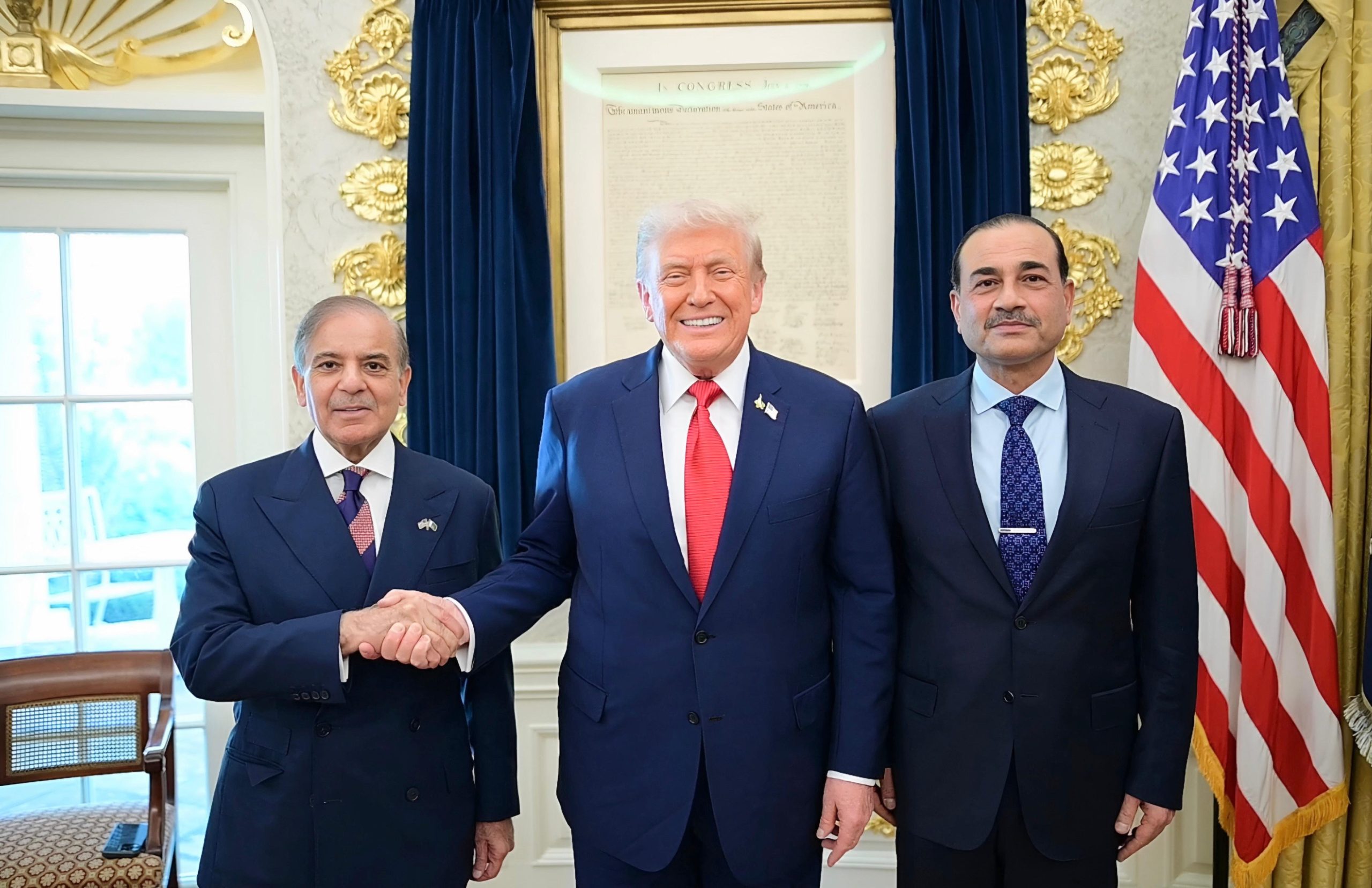
The Oval Office meeting in late 2024 looked like a classic win-win on paper. Pakistan’s Army Chief, General Asim Munir, handed President Trump a wooden box filled with emeralds and rubies. It wasn't just a gift; it was a sales pitch for the $1 trillion in untapped minerals buried beneath the dust of Balochistan. Trump, never one to miss a "beautiful deal," bought in immediately. By early 2026, the U.S. Export-Import Bank had cleared $1.25 billion in financing, and the dream of a Western-backed mining superpower in South Asia seemed real.
But you can’t mine gold with handshakes in Washington when the ground in Pakistan is literally exploding.
While the suits in D.C. and Islamabad were busy planning "Reko Diq," the Baloch Liberation Army (BLA) was planning "Operation Herof 2." On January 31, 2026, the reality of this partnership shattered. Over 500 militants launched 18 coordinated strikes across 12 different areas. They didn't just hit military outposts; they targeted the very infrastructure needed to move those "Trump gems" out of the province.
The most embarrassing part? The BLA is fighting this war using the very weapons the U.S. left behind in Afghanistan. It’s a messy, violent irony that has forced major players like Barrick Gold to hit the brakes.
The Trillion Dollar Graveyard
Pakistan is broke and desperate. With IMF debts piling up, the government sees Balochistan’s copper, gold, and lithium as its only way out. Reko Diq alone is one of the biggest untapped deposits on the planet. If you're a Western tech giant looking to decouple from China’s mineral monopoly, Balochistan looks like the promised land.
The problem is the people living on top of that gold don't want you there. To the Baloch people, these mining deals aren't "development"—they’re a heist. They see the federal government in Islamabad and foreign corporations as looters. This isn't some fringe theory; it’s the fuel for a middle-class militancy. We aren't talking about uneducated tribesmen anymore. The BLA's ranks are now filled with doctors, lawyers, and students who feel they have nothing left to lose.
US Guns for a Baloch Insurgency
If you look at the footage from the January attacks, the insurgents don't look like ragtag rebels. They’re carrying M-16s, M-4 carbines, and wearing night-vision goggles. These aren't black-market knockoffs. They’re stamped "Property of US Govt."
When the U.S. pulled out of Kabul in 2021, it left behind an estimated 300,000 small arms. Afghanistan has basically become the world’s biggest arms bazaar, and the BLA is a regular customer. This technological edge has turned a "low-level" insurgency into a professional guerrilla army capable of holding territory and executing complex suicide missions.
It’s a nightmare for security. How do you protect a mining convoy when the enemy has better night-vision gear than the local police? You don't. You just watch the costs of security skyrocket until the project isn't profitable anymore.
The Real Cost of Security
- Militarization: The Reko Diq site is now one of the most heavily guarded spots on earth.
- Human Rights Fallout: The Pakistani military’s response has been brutal. Over 1,200 people "disappeared" last year alone.
- Investment Freeze: Barrick Gold has already pushed back its production timeline to 2029.
Why the Trump Strategy is Backfiring
Trump’s approach was simple: designate the BLA as terrorists, back the Pakistani military, and get the minerals. It’s the same playbook used for decades, and it’s failing for the same reasons.
First, the BLA doesn't care about Washington’s labels. They aren't looking for a seat at the table; they want the table gone. Second, the Pakistani state is losing the "hearts and minds" battle so badly that every military crackdown just recruits the next wave of suicide bombers.
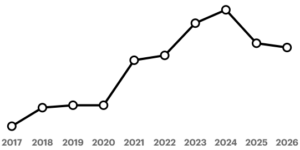
Islamabad tries to tell the world that the province is stable. But you can't hide a 500-man assault that shuts down a dozen districts simultaneously. Investors aren't blind. They see the 26% spike in attacks over the last year. They see the Jaffer Express train hijacking where 400 people were held hostage. Honestly, if you're a CFO in New York or Toronto, Balochistan looks like a one-way trip for your capital.
The China Factor
There’s another layer to this mess: China. For years, the China-Pakistan Economic Corridor (CPEC) was the only game in town. But even Beijing is getting cold feet. After several high-profile attacks on Chinese engineers, the "all-weather friendship" is looking a bit weathered.
The U.S. entry into the mining sector was supposed to provide a Western alternative to Chinese influence. Instead, it just gave the BLA two different "imperialists" to target. The insurgents are now attacking both the Gwadar port (Chinese-funded) and the Reko Diq mines (U.S.-backed) with equal ferocity.
What Happens Next
If you're looking for a quick fix, there isn't one. Pakistan can't afford to stop the mining, and the BLA won't stop the bombs until they get a share of the wealth or total independence.
For the U.S., the risk is clear. Washington is hitching its regional strategy to a state that can't secure its own backyard. We're seeing a repeat of the same mistakes made in Afghanistan—overestimating the local military's capability and underestimating the local population's resentment.
If you’re watching this space, keep an eye on these indicators:
- Barrick Gold’s Expenditure: If they stop spending on infrastructure and only spend on "security maintenance," they're prepping for an exit.
- The "Disappearance" Count: More state-sponsored abductions will inevitably lead to more BLA recruitment.
- The Weapons Flow: Until the border with Afghanistan is sealed (it won't be), the BLA will keep outgunning the local security forces.
Stop thinking of this as a "regional conflict." It's a global supply chain disaster in the making. If the BLA keeps shattering these mining ambitions, the race for "green energy" minerals just got a lot more expensive for everyone.
Don't expect the emeralds in Trump's box to turn into a gold mine anytime soon. The ground in Balochistan is simply too hot to touch.