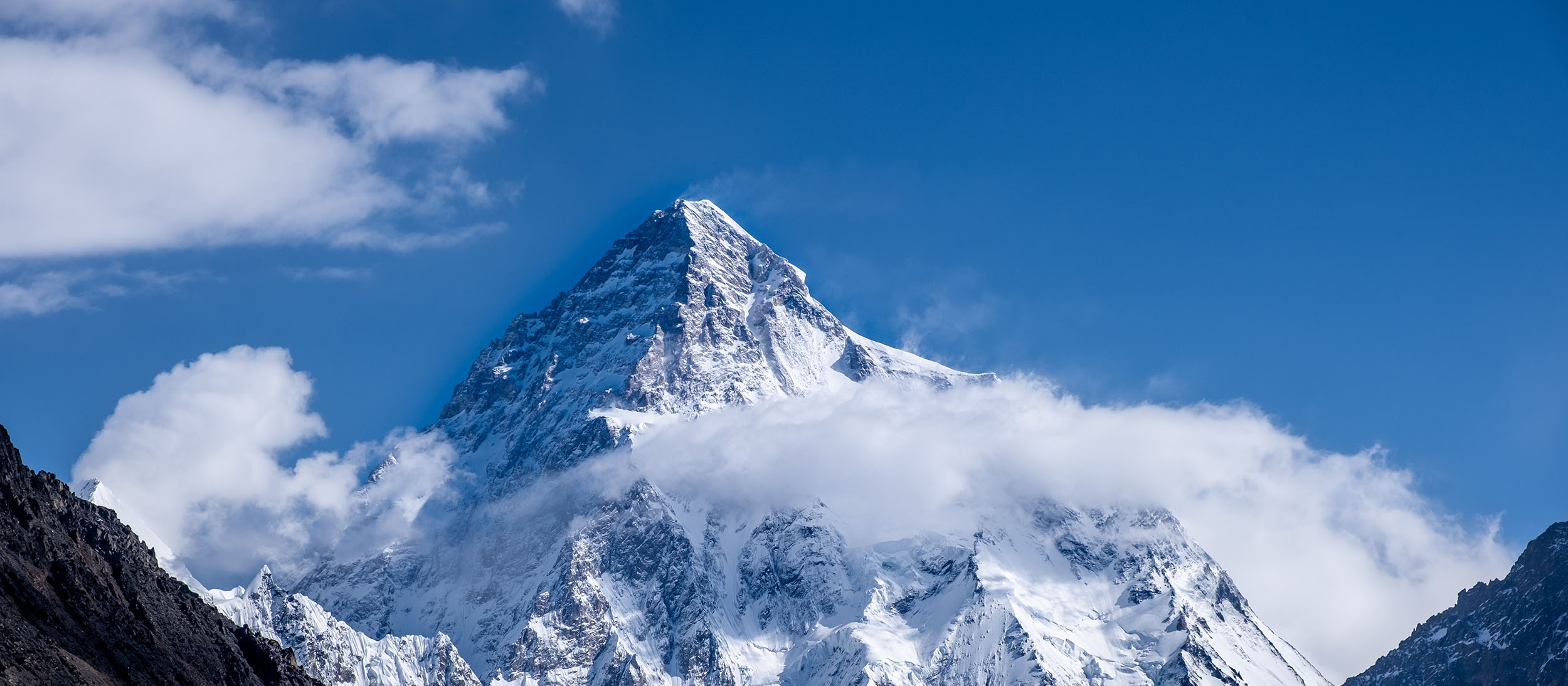
The wind in the Solukhumbu does not just blow. It breathes. It has a temperament, a suddenness that mocks the mechanical certainty of a turbine engine. One moment, the sky is a polished sapphire, so clear you feel you could reach out and touch the jagged white crown of Ama Dablam. The next, a draft shifts, the pressure drops, and the mountain decides whether or not it will let you stay.
In Eastern Nepal, the helicopter is not a luxury. It is a lifeline, a mechanical dragonfly that bridges the gap between ancient stone trails and the modern world. But on a Tuesday that began like any other, that lifeline frayed.
The Mathematics of a Heavy Landing
Flying in the Himalayas is a constant negotiation with physics. At sea level, air is thick, supportive, and predictable. Up there, in the thin reaches of the high altitudes, the air is brittle. Rotors have to bite harder. Engines have to scream louder. Every kilogram of weight—every liter of fuel, every piece of trekking gear—is a variable in a high-stakes equation.
When a helicopter approaches a landing pad in these remote districts, the pilot isn't just looking at a patch of flat earth. They are reading the thermal currents rising off the sun-warmed rocks. They are feeling the weight of the aircraft against the lift of the blades.
The report will say it was a "crash during landing." The reality is more visceral. It is the sound of high-grade aluminum meeting unyielding Himalayan rock. It is the sudden, violent transition from flight to impact.
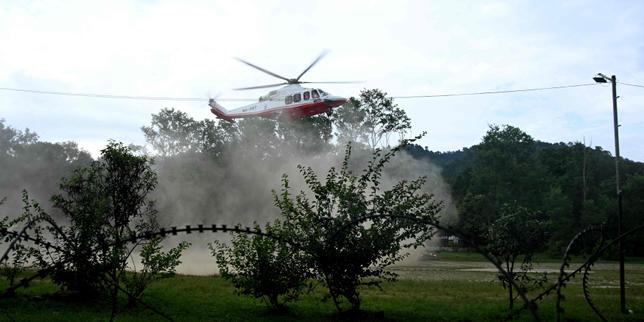
In this specific instance, the craft was settling down in the rugged terrain of Eastern Nepal. There is a specific, terrifying second in a botched landing where the pilot knows the ground is coming up faster than the lift can push back. The collective lever is pulled, the engine groans, but the air is too thin to offer a grip. The result is a shuddering jolt that echoes through the valley, a metallic scream that silences the local birds.
One Life in the Balance
We often consume news in numbers. "One injured." It sounds manageable. It sounds like a statistic you can glance at and forget before your coffee gets cold.
But consider the "one."
In a place where the nearest hospital might be days away by foot, an injury isn't just a medical condition. It’s an isolation. When the helicopter—the very vehicle meant to provide transport—becomes the source of the trauma, the irony is heavy. The person inside that cockpit felt the world tilt. They felt the harness bite into their shoulders. They heard the rotors strike the earth, a rhythmic thwack-thwack-thwack of carbon fiber shattering against stone.
For the injured party, the minutes following the crash are defined by a profound silence. The engine, which had been a constant, deafening roar, is suddenly dead. There is only the smell of spilled aviation fuel and the sound of the wind returning to the crags.
Rescue in these regions is its own saga. You cannot simply call an ambulance. You wait for another dragonfly to brave the same winds that brought the first one down. You rely on the calloused hands of local villagers who have spent their lives navigating these slopes. They are the first responders, moving toward the wreckage while the smoke is still acrid in the air.
The Invisible Stakes of High-Altitude Aviation
Why do we keep flying into these vertical corridors?
The answer lies in the necessity of the terrain. For the people of Eastern Nepal, these flights carry more than just tourists. They carry medicine. They carry the engineers who maintain the hydroelectric plants. They carry the hope of a quick evacuation when a child falls ill or a landslide cuts off a village.
Every time a pilot engages the starter motor in the shadow of the world’s highest peaks, they are accepting a silent contract with the elements. They know that the margin for error is thinner than the oxygen at 10,000 feet. A gust of wind, a sudden "downwash," or a momentary loss of tail-rotor authority can turn a routine landing into a survival story.
The skepticism often directed at mountain aviation overlooks the sheer audacity of the feat. To land a machine on a postage-stamp-sized clearing on a mountain ridge requires a level of intimacy with the environment that most of us will never understand. It is a dance performed on a tightrope.
The Weight of the Mountain
When we hear of a crash in Nepal, there is a tendency to blame the machine or the maintenance. Sometimes, that is where the fault lies. But more often, it is a reminder of the mountain's sovereignty. We are guests in the high altitudes, tolerated only as long as the weather permits.
The wreckage of a helicopter in the Solukhumbu is a sobering sight. It looks small against the scale of the peaks. It looks like a toy discarded by a giant. For the survivor, the "one injured," the recovery will be long, but the psychological impact of that impact remains. They will forever know what it feels like when the air fails to hold you up.
The peaks of Eastern Nepal remain indifferent to our technological ambitions. They stand as they have for millennia—cold, towering, and beautiful. We will continue to fly there because we must, because the human spirit is wired to bridge the gaps between us, no matter how treacherous the path.
But we do so with a newfound respect for the thin, invisible line between a successful touchdown and a tragedy. We fly with the knowledge that in the mountains, every landing is a gift.
The wind picks up again, swirling around the empty landing pad, carrying the scent of juniper and the faint, lingering metallic tang of a day that didn't go as planned.