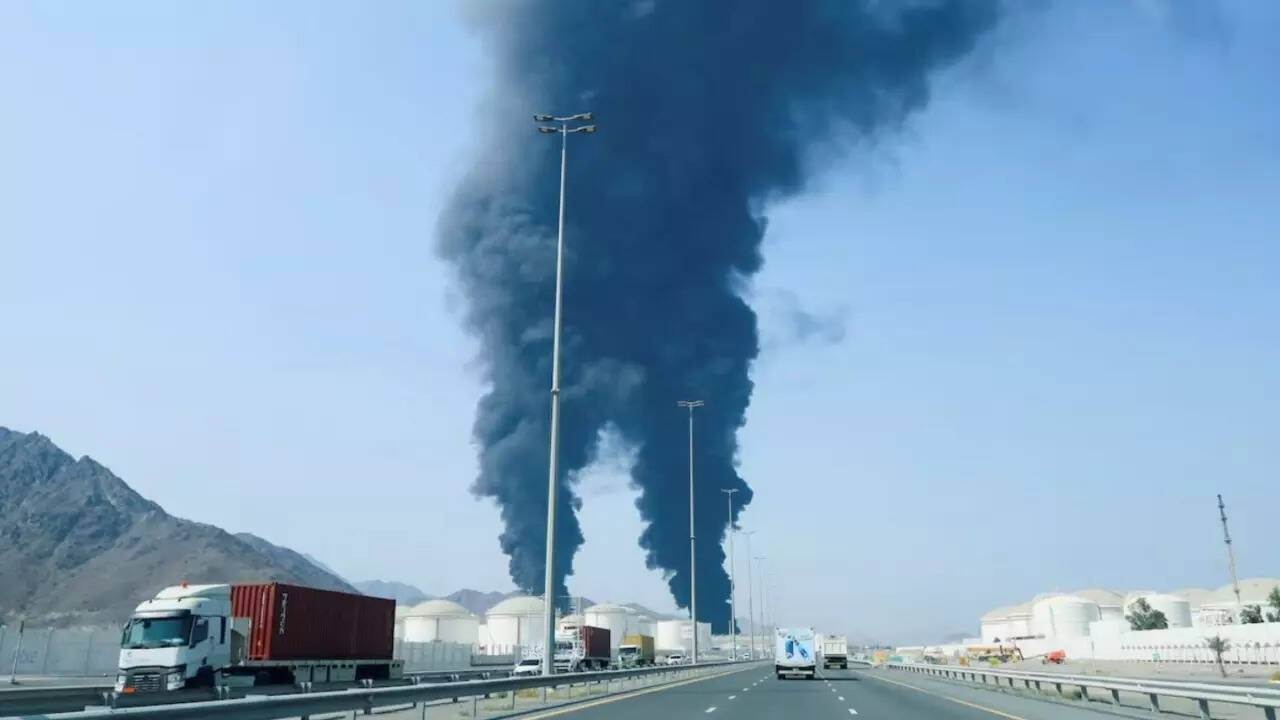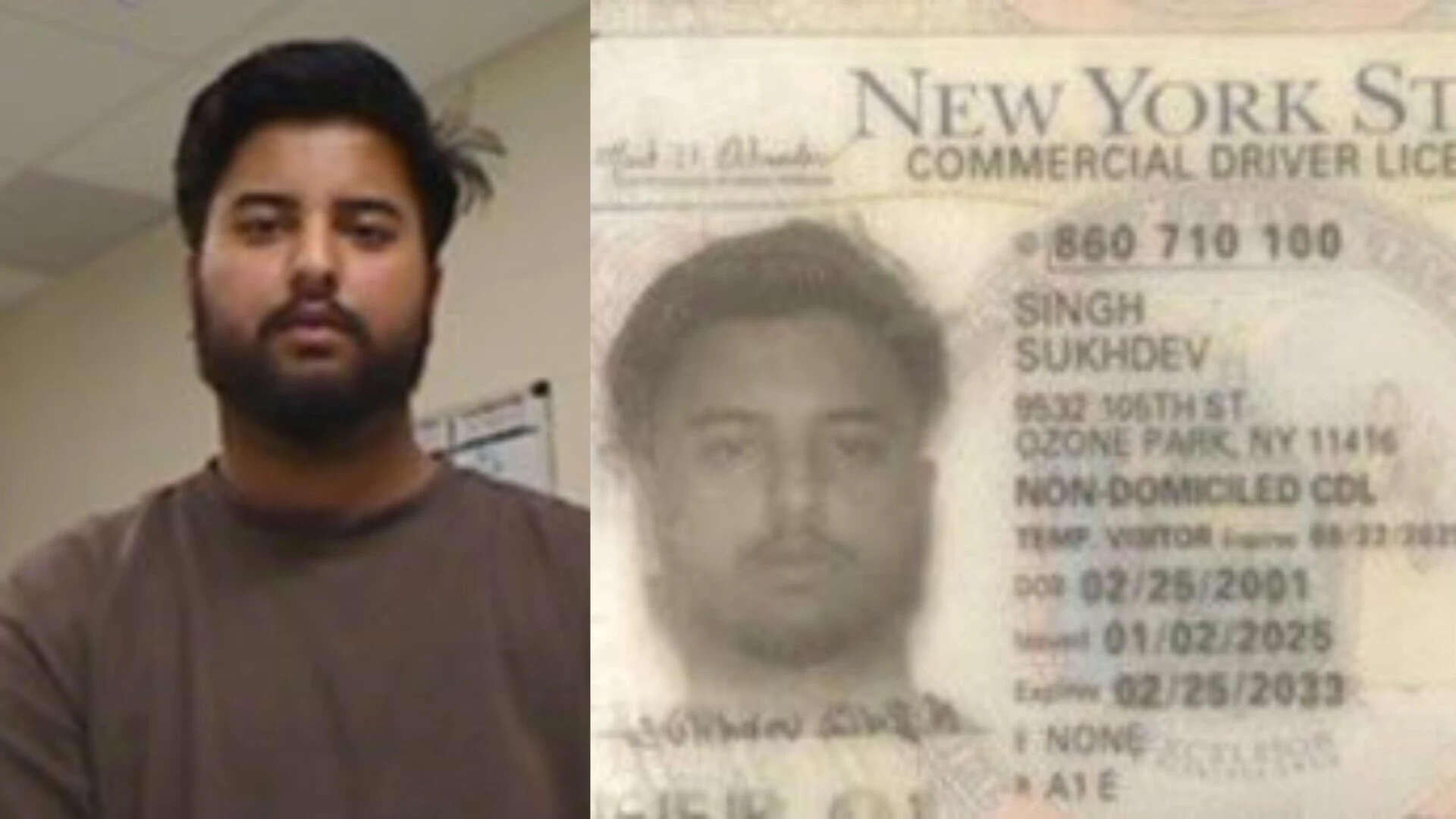
A 25-year-old Indian national named Sukhdev Singh hit a pedestrian on March 6, 2026, at the intersection of East Raymond Street and I-65 in Indianapolis. This wasn't just another traffic accident. The victim ended up in the hospital in critical condition, fighting for his life. Within hours, the Indiana State Police had Singh in handcuffs, but they weren't the only ones interested in him. U.S. Immigration and Customs Enforcement (ICE) arrived that same evening to take him into custody.
The real story here isn't just the crash. It’s the fact that Singh was behind the wheel of a massive 18-wheeler despite living in the country unlawfully. Even more baffling? He had a valid Commercial Driver’s License (CDL) issued by the state of New York. This incident has reignited a fierce debate over how someone without legal status manages to get licensed to operate a 40-ton vehicle on American highways.
The Licensing Loophole That Failed Indianapolis
If you're wondering how an undocumented immigrant gets a CDL, you aren't alone. On January 2, 2025, New York issued Singh a "non-domiciled" CDL. This type of license is intended for people who are not U.S. citizens or lawful permanent residents but are authorized to work. However, federal officials are now pointing fingers at "sanctuary" policies that they claim allow these licenses to fall into the wrong hands without sufficient vetting.
Deputy Assistant Secretary Lauren Bis didn't hold back. She argued that it’s basic common sense that people who aren't in the country legally shouldn't be operating semi-trucks. Her critique was aimed directly at New York Governor Kathy Hochul. The argument is simple: when states prioritize "license for all" policies, they might be sacrificing road safety. Operating a semi-truck requires a deep understanding of complex traffic laws and, often, a strong command of English for reading signs and communicating with emergency services. When those barriers are ignored, the results can be catastrophic.
A Pattern of Commercial Driving Risks
This isn't an isolated case of "wrong place, wrong time." The Indianapolis crash is part of a growing, disturbing trend. Just a month prior, in February 2026, another undocumented truck driver was involved in a crash in Indiana that killed four members of an Amish family.
The Department of Transportation (DOT) has been trying to plug these leaks for a while. Back in September 2025, the DOT slapped heavy restrictions on non-domiciled CDLs. Why? A federal audit uncovered what they called "catastrophic patterns" of states handing out licenses to foreign drivers with almost zero oversight.
- State vs. Federal Friction: States like New York and New Jersey have pushed for expanded access to licenses to bring undocumented drivers "out of the shadows."
- Safety Audits: The 2025 DOT audit showed that many of these drivers had poor driving records that weren't being tracked across state lines.
- Language Barriers: Federal law technically requires CDL holders to speak and read English well enough to converse with the public and understand highway signs, but enforcement at the state DMV level is often spotty.
What Happens to Sukhdev Singh Now
Singh is currently sitting in ICE custody. Unlike a standard traffic court case, his legal battle is now two-pronged. He faces potential criminal charges in Indiana for the accident itself, but he’s also entered the "removal proceedings" pipeline.
Because he was driving a commercial vehicle without legal status, his chances of staying in the U.S. are slim to none. ICE typically fast-tracks these cases when a U.S. citizen is critically injured. The victim in this case remains in the hospital, and his recovery will likely dictate the severity of the local criminal charges Singh faces.
If you or someone you know has been affected by similar incidents, the Department of Homeland Security points victims toward the Victims of Immigration Crime Engagement (VOICE) Office. You can reach them at 1-855-488-6423 for support and updates on case statuses.
Steps to Verify Commercial Driver Safety
If you're a business owner hiring drivers or just a concerned citizen, you need to know that the "system" isn't always foolproof. Here’s what actually works to ensure safety on the road:
- Check the FMCSA Clearinghouse: This is a federal database that tracks drug and alcohol violations for CDL holders. It’s the most reliable way to see if a driver has a history of problems.
- Verify Employment Authorization: Don't just look at the physical license. Use E-Verify to confirm that a person is actually authorized to work in the U.S.
- Review MVRs Frequently: Motor Vehicle Reports (MVRs) should be pulled at least once a year, not just at the time of hire.
The Sukhdev Singh case is a wake-up call for state DMVs. When licensing systems prioritize ideology over strict federal compliance, the people paying the price are often the ones walking across the street in cities like Indianapolis.
For those tracking the legal fallout, keep an eye on New York’s licensing amendments. Expect more federal pressure on "sanctuary" states to align their DMV databases with DHS records to prevent unqualified individuals from getting behind the wheel of heavy machinery.