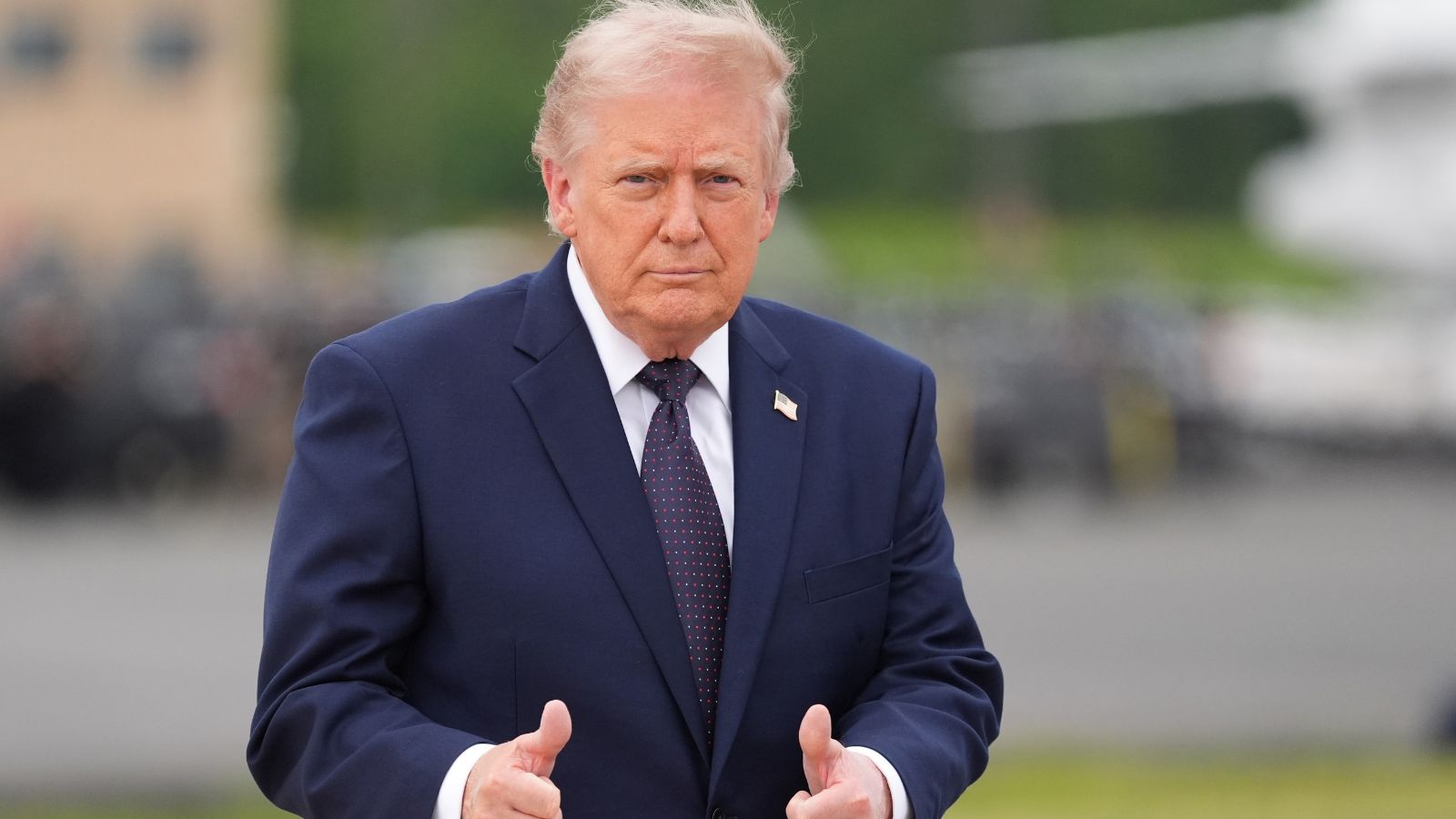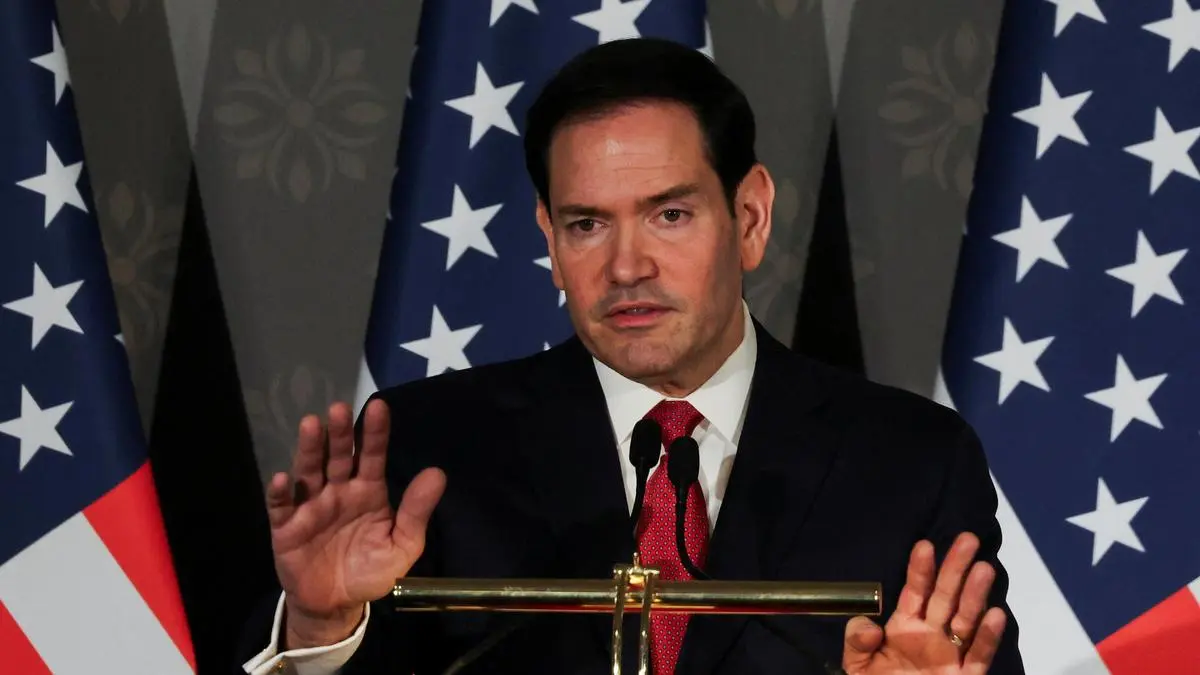
The Strait of Hormuz is the world's most sensitive windpipe. If it gets squeezed, the global economy gasps for air. We’re seeing a sudden shift in the narrative right now. Marco Rubio and other key figures in the loop suggest that the U.S. and Iran are actually finding some common ground regarding maritime security in this narrow stretch of water. It sounds like a breakthrough. But don't start celebrating just yet. While Rubio highlights a certain level of diplomatic "progress," the reality in Washington is far more complicated. Donald Trump isn't exactly rushing to sign a "mission accomplished" banner. He’s staying cautious, and honestly, he has every reason to be skeptical.
The Reality of the Strait of Hormuz Breakthrough
Let's look at what’s actually happening on the water. For years, the Strait of Hormuz has been a theater for "shadow wars." Iran’s Revolutionary Guard Corps (IRGC) fast boats often harass tankers, and the U.S. Navy responds with a show of force. Recently, however, there’s been a noticeable dip in these high-tension encounters. This is the "progress" Rubio is talking about. It isn't a formal treaty. It’s more like a temporary cooling of tempers.
The goal is simple. Keep the oil flowing. Roughly 20% of the world's liquid petroleum passes through this 21-mile-wide chokepoint. If a single mine goes off or a tanker is seized, gas prices in the U.S. don't just go up—they skyrocket. Iran knows this is their greatest point of leverage. The U.S. knows it’s their biggest vulnerability. Right now, both sides seem to have realized that a direct blow-up doesn't serve their current interests.
But "progress" in the Middle East is often a mirage. Rubio’s comments reflect a hope that tactical de-escalation could lead to something more permanent. Yet, anyone who has watched this relationship for the last forty years knows that Iran uses these quiet periods to regroup or shift pressure to other fronts, like Yemen or Lebanon. It’s a game of regional chess, not a friendly handshake.
Why Trump Is Refusing to Buy the Hype
You might wonder why a potential win for regional stability isn't being touted as a massive victory by the former president. Trump’s skepticism isn't just about being difficult. It’s about the "Maximum Pressure" legacy. When his administration pulled out of the JCPOA, the logic was that Iran only responds to strength, not "understandings" or "arrangements."
Trump sees the current progress as potentially flimsy. He’s worried that any easing of tension is just a way for Iran to bypass sanctions or wait out the clock. If the U.S. relaxes its posture in the Strait, does that just give Tehran more room to breathe? That’s the question haunting the hawks in Washington. Rubio is playing the role of the observant diplomat here, but Trump is playing the role of the wary negotiator who doesn't trust a deal until the ink is dry and the other guy's hands are tied.
There's also the domestic angle. Trump doesn't want to give the current administration—or even the more moderate wings of his own party—credit for a "soft" fix. He’s always leaned into the idea that unless Iran fundamentally changes its behavior across the board, maritime de-escalation is just a band-aid on a bullet wound.
The High Stakes of the 21 Mile Gap
To understand why this matters to you, look at your local gas station. The Strait of Hormuz connects the Persian Gulf with the Gulf of Oman and the Arabian Sea. It’s the only way for the biggest oil producers in the world to get their product to market.
- Saudi Arabia sends the bulk of its exports through here.
- Iraq and Kuwait are entirely dependent on it.
- Qatar moves almost all its Liquefied Natural Gas (LNG) through the gap.
If Iran decides to close the Strait, they don't need a massive navy. They just need enough small boats and anti-ship missiles to make insurance rates so high that no captain will sail through. That’s the "Hormuz Dilemma." This current progress suggests that Iran is keeping its finger off the trigger for now. But Trump’s point is that as long as they have their finger on the trigger, the U.S. hasn't actually won anything.
Rubio's Middle Ground vs. Hardline Realities
Marco Rubio is in a tricky spot. As a senior member of the Foreign Relations and Intelligence committees, he sees the raw data. He sees the "de-confliction" channels working. He’s acknowledging that communication is better than it was two years ago. But he’s also smart enough to know his audience. By framing it as "progress" while immediately nodding to Trump’s caution, he’s trying to bridge the gap between the pragmatists and the hardliners.
The mistake most analysts make is thinking this is a binary choice. It’s not "peace" or "war." It’s a constant state of managed friction. Rubio is pointing out that the friction is currently at a manageable level. Trump is warning that "manageable" can turn into "catastrophic" in a single afternoon.
We've seen this play out before. In 2019, multiple tankers were attacked with limpet mines. The U.S. blamed Iran; Iran denied it. The world held its breath. If we are moving away from those days, that’s objectively good. But if the "progress" involves the U.S. looking the other way on Iranian oil smuggling in exchange for peace in the Strait, that’s a trade Trump has signaled he won't accept.
Misconceptions About Iranian Naval Power
People often think Iran’s navy is a joke because they don't have massive carriers. That’s a dangerous misunderstanding. They practice "asymmetric warfare." They don't want to fight the U.S. Navy in a blue-water battle. They want to swarm a billion-dollar destroyer with fifty 20-foot speedboats armed with explosives.
This is why the "progress" Rubio mentions is so fragile. It only takes one rogue commander in the IRGC to ignore orders and provoke a clash. The Iranian chain of command isn't always as monolithic as we imagine. There are factions within Tehran that thrive on tension. They hate the idea of progress with the "Great Satan." Trump’s caution is rooted in the belief that the "moderate" diplomats in Iran don't actually hold the keys to the boats in the Strait.
What Happens Next on the Water
The next few months are the real test. Watch the "bridge-to-bridge" radio communications. In the past, Iranian crews would broadcast insults or threats to U.S. ships. If that stops, the progress is real. If the IRGC stops flying drones directly over American flight decks, the progress is real.
But watch the sanctions too. If Iran feels the economic walls closing in again, the Strait of Hormuz is the first place they’ll lash out. It’s their pressure valve. Rubio’s report of progress is a snapshot in time. It's a "good for now" report.
Trump is looking at the long game. He’s essentially saying, "I’ve seen this movie before, and I don't like the ending." He’s waiting for a sign that Iran is actually backing down, not just playing for time.
Keep an eye on the TankerTrackers data. If we see a spike in "dark" tankers—ships turning off their transponders to move Iranian oil—while the Strait stays quiet, we’ll know exactly what the "progress" actually cost. It’s usually a trade-off.
The U.S. is trying to maintain a delicate balance. They want to keep oil prices stable for the global market while keeping the pressure on Tehran's nuclear program. It’s like trying to perform surgery during an earthquake. Rubio is hopeful. Trump is wary. The rest of us just hope the oil keeps moving.
Stop looking for a grand peace treaty. It’s not coming. Instead, watch the specific behaviors of the IRGC Navy in the coming weeks. If you see an increase in U.S. Coast Guard presence in the Persian Gulf—yes, we send the Coast Guard there too—it means the "progress" is failing. If the headlines stay quiet, the uneasy peace holds. For now.