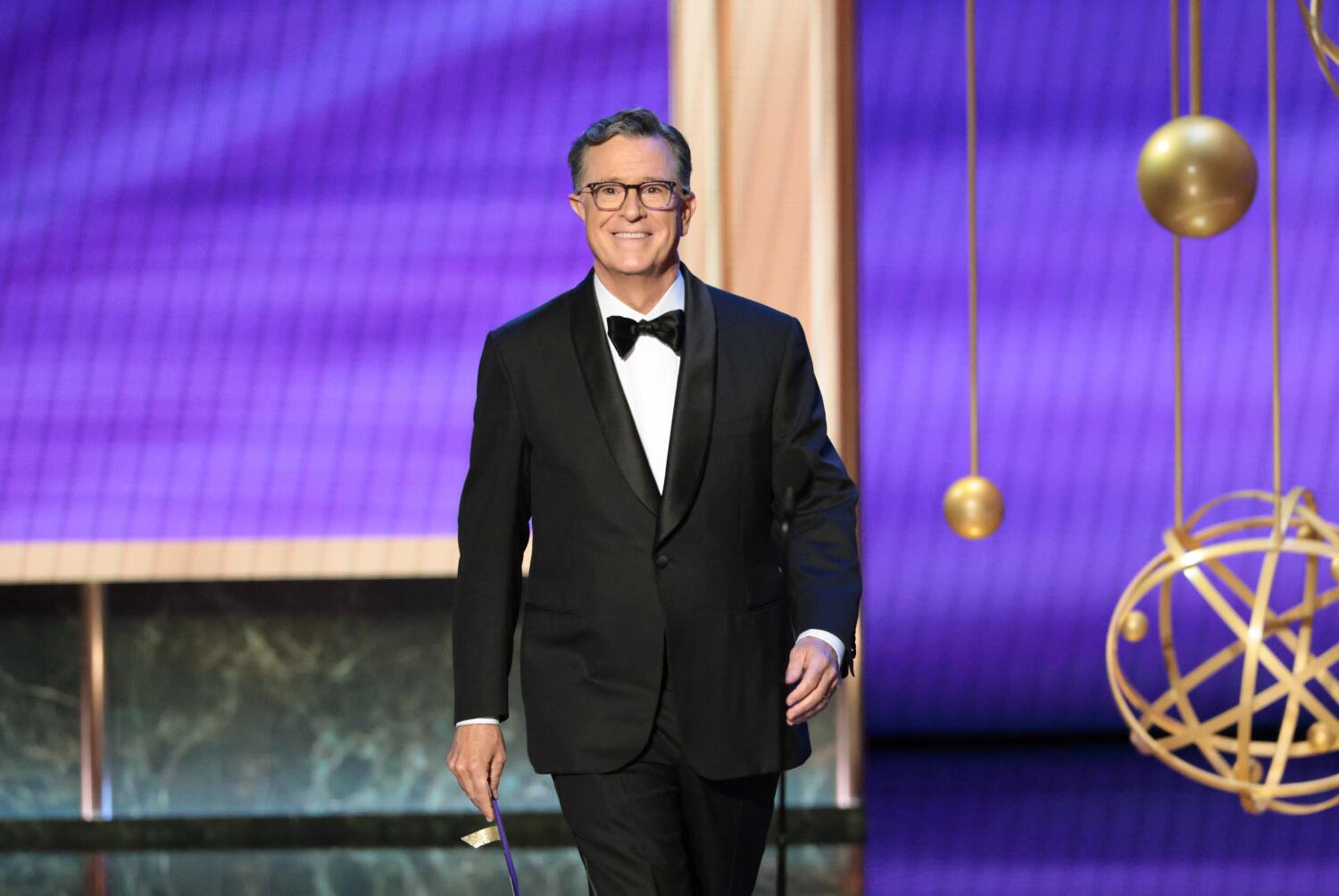
The rumors are finally merging into a concrete reality that Hollywood and Middle-earth fans alike have struggled to process. Stephen Colbert, the most visible Tolkien obsessive on the planet, is transitioning from the desk of The Late Show to the high-stakes screenwriting credits of the upcoming Lord of the Rings cinematic expansion. This isn’t a vanity cameo or a promotional bit. Warner Bros. Discovery and New Line Cinema are betting that the man who corrected Peter Jackson on obscure Elven genealogy can provide the narrative connective tissue that modern blockbuster prequels have sorely lacked.
By bringing Colbert into the fold as a co-writer, the studio is attempting to bridge a widening gap between hardcore fans and general audiences. It is a strategic move born of necessity. Following the mixed reception to high-budget streaming endeavors and the polarizing nature of recent fantasy adaptations, the franchise needs more than just CGI scale. It needs a gatekeeper who understands the soul of the source material.
The High Stakes of Middle-earth Mining
Warner Bros. Discovery CEO David Zaslav has been vocal about his desire to "supercharge" the company’s most valuable intellectual property. But the road back to the Shire is littered with the corpses of franchises that overextended themselves. The Hobbit trilogy, while financially successful, left many fans feeling the story was stretched paper-thin. Colbert’s involvement signals a pivot toward narrative density and philological accuracy—the very things J.R.R. Tolkien valued most.
This move isn't just about name recognition. Colbert’s deep knowledge of the Silmarillion and the "Unfinished Tales" puts him in a unique position to navigate the legal and creative minefield of the Tolkien Estate. For decades, the estate has been notoriously protective, often clashing with studios over perceived deviations from the professor’s vision. Colbert, who famously speaks Quenya and has debated Tolkien scholars on national television, is perhaps the only Hollywood figure the estate might actually trust to hold the pen.
The industry term for this is "lore management," but it’s really about damage control. The studio knows that if they alienate the core fanbase again, the broader appeal will evaporate. They aren't just buying a writer; they are buying an insurance policy against fan backlash.
Why a Late Night Host Matters for Epic Fantasy
Critics might argue that a comedian has no business writing a somber, epic war drama. That perspective ignores the history of Tolkien’s own work, which oscillates between high tragedy and domestic whimsy. Colbert understands the "Eucatastrophe"—the sudden turn from darkness to light that defines Tolkien’s storytelling.
Writing for late-night television is an exercise in structural discipline and rapid-fire characterization. You have to land a point, establish a tone, and move the narrative forward in a matter of seconds. When applied to a screenplay, these skills can prevent the bloated pacing that has plagued recent fantasy films. Colbert's task will be to inject "Hobbit-sense" back into a world that has lately felt too focused on dark-lord aesthetics and not enough on the small, human moments that make the stakes feel real.
The Problem of Creative Dilution
The biggest risk in this endeavor is the "too many cooks" syndrome. Colbert is set to co-write with established industry veterans who are used to the corporate feedback loops of major studio productions. There is always a danger that a singular, passionate voice gets drowned out by committee-driven demands for "four-quadrant appeal."
- Corporate interference: Studios often prioritize merchandising potential over narrative logic.
- The Prequel Trap: Writing stories where the ending is already known requires a level of tension that many writers fail to achieve.
- Balancing Tone: Colbert must balance his natural wit with the gravitas required for a legendarium that deals with the corruption of power and the inevitability of loss.
The Business of Nostalgia and the Quest for New Stories
The financial pressure on this project is immense. Producing a Lord of the Rings film in the 2020s involves budgets that would make even Sauron blink. We are looking at a landscape where a film must clear $800 million globally just to be considered a moderate success.
By hiring Colbert, the studio is leaning into the "creator-led" trend that has seen success in other genres. When a creator is a genuine fan, they are less likely to include elements that feel like cheap fan service. They understand that true service to the fans is telling a story that feels like it belongs on the shelf next to the original books.
We have seen this play out before with mixed results. When fans take over the steering wheel, they either create a masterpiece of devotion or a mess of inside jokes. The difference here is Colbert’s professional background. He is a storyteller by trade, one who has spent decades analyzing how audiences react to information. He isn't just a fan with a keyboard; he is a communicator who understands the mechanics of engagement.
Navigating the Appendices
The specific focus of the script remains under wraps, but insiders suggest it will draw heavily from the appendices of The Return of the King. This is fertile ground. It contains the backstories of the Dúnedain, the fall of Arnor, and the long-simmering tensions that led to the War of the Ring. These aren't just footnotes; they are the foundations of the world.
Colbert’s challenge will be to translate these dense historical chronologies into a living, breathing script. He has to take names that sound like cough drops and turn them into characters the audience will mourn. This requires a granular level of attention to detail that few Hollywood writers possess. He knows, for instance, that the color of a cloak or the lineage of a horse isn't just window dressing—it's a signal to the audience that they are in safe hands.
The Role of New Line Cinema
New Line, the studio that took the original gamble on Peter Jackson in the late 90s, is looking to reclaim its identity. After being absorbed into the larger Warner Bros. machine, the label lost some of its "plucky underdog" status. Bringing in an outsider like Colbert is a very "Old New Line" move. It’s a bit weird, it’s high-profile, and it’s undeniably bold.
The collaboration will likely involve a heavy emphasis on practical effects and location shooting, moving away from the "volume" stages and green-screen oceans that have made modern blockbusters feel weightless. Colbert has often spoken about the "tactile reality" of the original trilogy. If he has any influence on the production side, we can expect a return to the dirt, grime, and real-world scale that defined the franchise's peak.
The End of the Desk?
This move also raises questions about the future of Colbert’s television career. You cannot write an epic of this magnitude on your lunch break. It suggests a shift in his own priorities, perhaps looking for a legacy beyond the nightly political cycle. If he succeeds, he becomes more than a commentator; he becomes a contributor to the very mythos that shaped his life.
The industry is watching closely. If Colbert can pull this off, it opens the door for a new kind of "consultant-writer" in Hollywood—the expert-fan who can navigate the nuances of deep lore while maintaining a grip on mainstream storytelling. It’s a gamble that assumes the audience is smarter than the average studio executive thinks they are.
The production is expected to begin pre-visualization in the coming months. Fans will be looking for any scrap of information, any hint of a script leak, to see if the "Colbert Touch" is visible. But the real test will be on the screen. Can a man who spends his nights dissecting the news of the day find the timeless voice of a sub-creator? Middle-earth is a place of high stakes and deep shadows. Colbert is stepping out from behind the desk and into the fire of Orodruin.
Demand a seat at the table for the next script reading.