When the Pentagon hands out termination notices for "insubordination" right after an investigative piece drops, nobody should pretend it is business as usual. The recent dismissal of Stars and Stripes publisher Max Lederer, editor-in-chief Erik Slavin, and reporter Lara Korte marks a massive escalation in the friction between the Trump administration and independent military journalism.
If you have been wondering how open information channels within the armed forces are holding up under political pressure, this case provides a stark answer. The confrontation exposes a raw nerve at the intersection of defense oversight, public accountability, and military morale.
The USS Abraham Lincoln Report That Triggered the Fallout
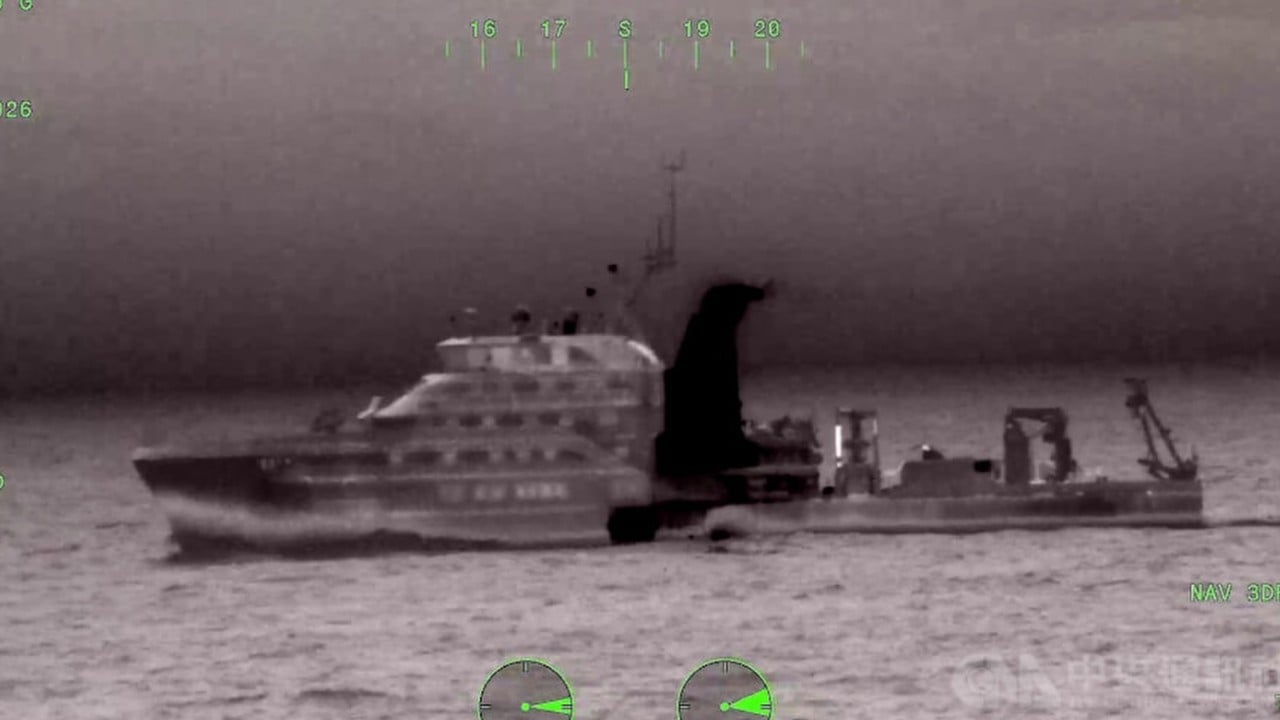
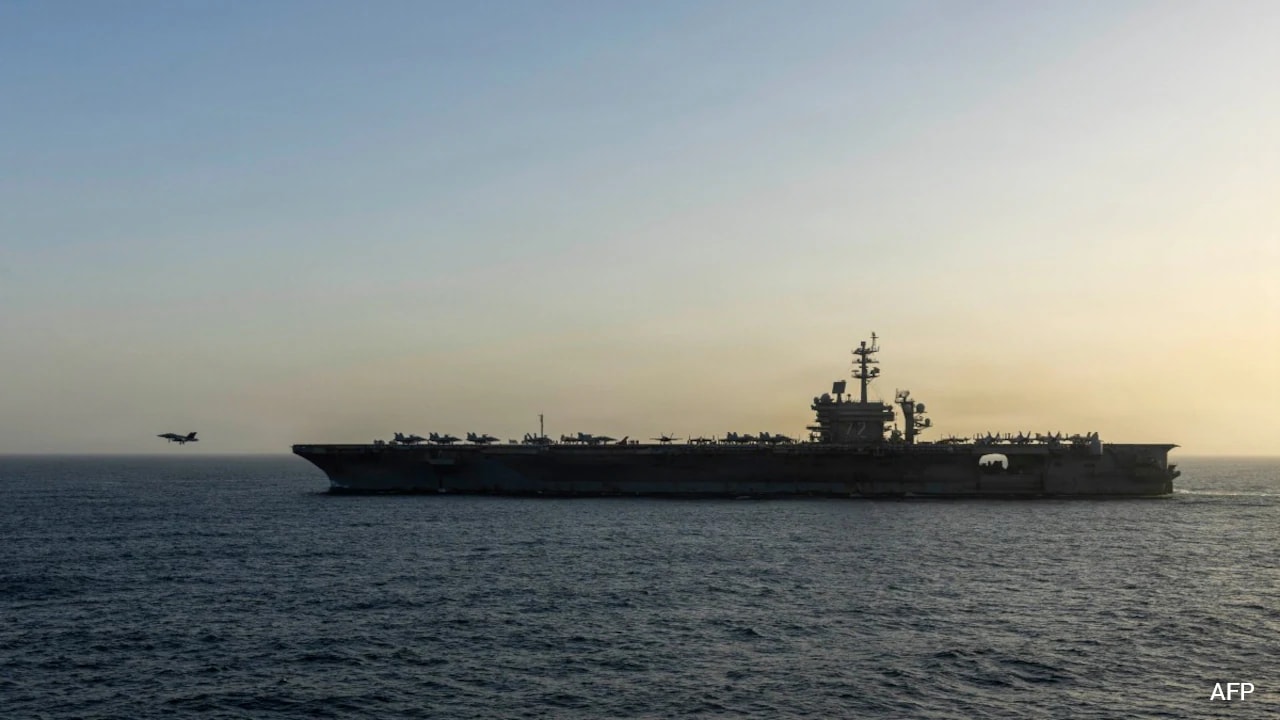
The friction point traces directly back to coverage regarding crew conditions on the aircraft carrier USS Abraham Lincoln. The vessel faced an extended deployment in the Middle East tied to the military buildup involving Iran. Reports published on August 12 by both Stars and Stripes and the Navy Times detailed grueling circumstances for sailors aboard the carrier, raising alarms among veteran advocacy and military health communities.
Donald Trump publicly downplayed those warnings, dismissing concerns by asserting that the deployment duration was not nearly long enough. But the damage to the administration's narrative was done. Days after the critical reporting surfaced, the ax fell on the leadership of the historic military publication.
Why the Pentagon Called It Insubordination
The Department of Defense did not hide its rationale behind bureaucratic double-speak. The fired journalists were explicitly targeted for speaking out during a CBS News segment addressing editorial independence.
Erik Slavin stated during the interview that hypothetical news censorship for service members would represent a strict red line. Lara Korte similarly emphasized on the record that her reporting allegiance belonged to the publication's audience and the military community, not the Pentagon or any shifting political administration.
The defense establishment slapped them with charges of insubordination for those exact remarks. Senior defense officials had already signaled a desire to pivot the paper away from what they termed progressive or "woke" distractions, setting up a direct ideological collision with a newsroom that relies on a tradition of structural independence.
The Broader War Over Military Media Independence
Stars and Stripes operates under a unique funding model, receiving a portion of its budget from the Pentagon while maintaining a legal and historical firewall meant to protect its journalistic integrity. That firewall is now buckling.
Earlier in the year, the publication's ombudsman was ousted and subsequently filed a First Amendment lawsuit challenging retaliatory press restrictions. The installation of an active-duty Navy captain as deputy publisher without consulting outgoing civilian leadership further signaled a tightening grip from upper brass.
Critics and legislative watchdogs argue that transforming a trusted military daily into an uncritical mouthpiece damages troop morale rather than helping it. Service members take an oath to the Constitution, which includes defending the principle of a free press. When the independent chroniclers of military life are purged for refusing to bend the knee to policy makers, trust within the ranks takes a direct hit.
Keep a close eye on how the appeals play out over the mandated five-day window, and watch whether congressional committees step up pressure on defense leadership. The outcome will dictate whether military journalism remains a watchdog for the ranks or gets quietly repurposed as public relations.