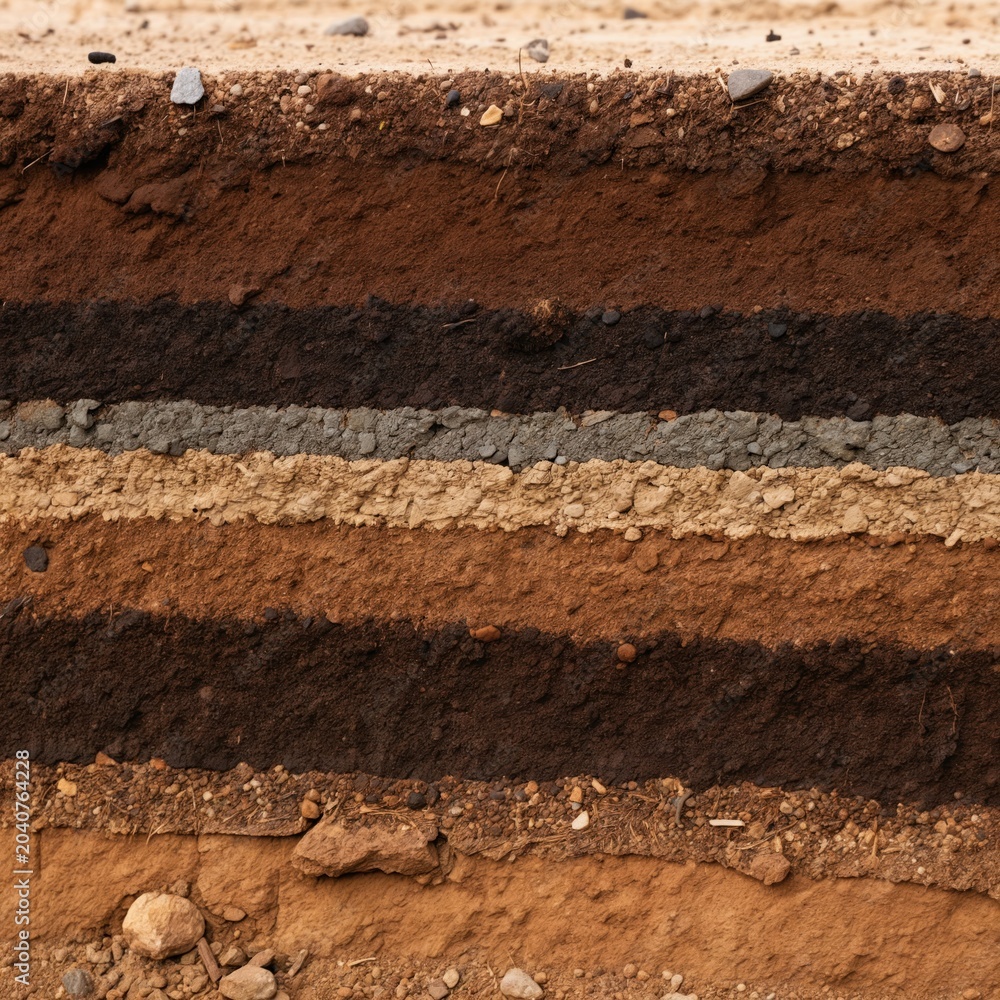
The earth remembers iron. Long after the shrapnel is cleared from a furrowed field, the soil retains a metallic memory, a subterranean ache that resists the seed.
Ask any agronomist about the black earth of Ukraine, and they will speak of chornozem with a near-religious reverence. This is not mere dirt. It is a dense, organic archive of ancient prairies, a geological sponge rich enough to color your fingers the hue of midnight ink. For generations, this land did not merely grow wheat; it sustained empires. When the combine harvesters rolled across the steppe before the war, their wake looked less like farming and more like an industrial tide, rolling golden waves of grain toward ports that fed hundreds of millions of people across North Africa, the Middle East, and parts of Europe.
Today, that tide is choked.
To understand why thousands of small-scale agriculturalists are staring at their tractors this season with a profound, bone-deep hesitation, you have to step away from the macroeconomic forecasts and walk the perimeter of a mined field in the Mykolaiv region.
Imagine, for a moment, what it takes to coax life from a plot of land when you know your neighbor’s tractor was blown into jagged shards of orange metal just three weeks prior. This is not a hypothetical fear; it is the daily arithmetic of survival. Every kernel planted represents an upfront gamble of staggering proportions. Diesel prices have climbed past reason. Fertilizer, once imported or produced locally through complex supply chains now shattered by missile strikes, commands a ransom. The banks want their loans serviced, but the silo down the road was flattened by an airstrike last autumn, and the Black Sea export corridors remain a tense, negotiated tightrope rather than a reliable highway.
Yet, the most insidious threat is not the unexploded ordnance lurking beneath the topsoil, nor is it the inflated cost of spare parts. It is the arithmetic of despair.
When you spend six months nursing a crop through drought and tension, only to sell the resulting harvest at a local price that barely covers the cost of the fuel burned during harvest—because export routes are clogged and logistics are bleeding margins dry—you begin to question the fundamental contract of agriculture. Farming is, at its core, an act of radical optimism. It requires believing in a future six months away. When that future is mortgaged by artillery fire and market strangulation, optimism becomes a dangerous luxury.
Consider the human cost embedded in every metric ton of trapped grain. We read about global food security indices as if they were weather patterns—distant, impersonal shifts in supply and demand. But down on the ground, in the drafty machine sheds where grease-stained mechanics try to weld twenty-year-old harvesters back together with salvaged parts, the global food crisis wears a familiar face. It wears the face of a grandfather who taught his granddaughter how to test soil moisture by touch, only to watch her calculate whether the diesel required to plow the south acreage will bankrupt the family enterprise.
The numbers tell a stark story. Millions of hectares lie fallow or restricted. Millions more require intensive, agonizingly slow demining operations—a process that experts estimate could take decades using conventional methods. Farmers are watching their operational cash reserves evaporate. The seed is there, sitting in bags in damp barns. The will is there, rooted in a stubborn cultural identity that views abandoning the land as a form of cultural erasure.
But will alone does not power a tractor.
As the planting window narrows, a silent reckoning is unfolding across the Ukrainian countryside. It is a quiet crisis, lacking the immediate theatrical horror of a falling missile, but its long-term implications are far more devastating. If the hands that guide the plows finally drop their reins, the shockwaves will not stop at the border. They will ripple outward, felt most acutely in the bakeries of Cairo, the markets of Nairobi, and the dinner tables of families who have never heard of the steppe, yet depend entirely on its yield.
The earth is waiting. The iron remains. And somewhere in the twilight, a farmer walks the edge of a fallow field, picking up a handful of dark, heavy soil, wondering if this year is the year the math finally breaks them.