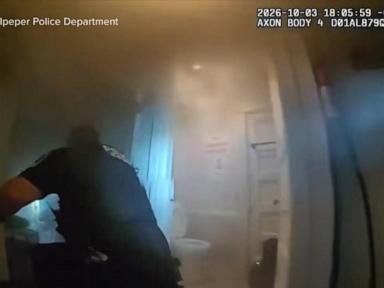
An off-duty Immigration and Customs Enforcement agent sits in a hospital bed, nursing gunshot wounds after a violent confrontation with a woman and her father that spiraled into chaos. Local police departments are untangling the timeline, federal oversight bodies are reviewing conduct standards, and a community is left asking how an encounter between civilians and a sworn law enforcement officer ended in gunfire.
This was not a targeted operation, a midnight raid, or an intelligence-gathering stakeout. This was an off-duty incident that exposed the volatile intersection of private life, firearms, and the ever-expanding footprint of federal immigration enforcement personnel operating within local neighborhoods. When federal agents clock out, they carry their training, their jurisdiction-spanning authority, and in many cases, their government-issued sidearms into everyday civilian spaces.
The Anatomy of a Breakdown
Details emerging from local law enforcement indicate that the confrontation unfolded rapidly, shifting from a verbal dispute into physical violence before shots were fired. The agent, whose identity has been withheld pending ongoing municipal investigations, allegedly initiated or escalated the altercation with a woman and her father. Exactly what provoked the initial friction remains a focal point of competing statements between the agent’s legal representatives and the local prosecutors reviewing the case file.
What remains undisputed is the fatal escalation: a firearm was introduced, shots were discharged, and multiple people sustained injuries requiring immediate trauma care. In domestic disputes or neighborhood altercations involving law enforcement personnel, the rules of engagement blur instantly. A civilian defending themselves against an aggressive individual does not necessarily know whether that person holds a federal badge. Conversely, an armed agent accustomed to commanding authority may miscalculate how a civilian perceives aggressive behavior, especially when out of uniform.
This incident lays bare the structural tensions surrounding the proliferation of armed federal personnel living and moving through suburban and urban communities nationwide. ICE workforce numbers expanded dramatically over successive administrations, placing thousands of armed investigators, deportation officers, and administrative personnel into local communities. Unlike local beat cops who patrol specific neighborhoods and maintain deep-rooted ties to municipal command structures, federal agents often operate under a separate operational umbrella, answering to distant regional directorates rather than local chiefs of police.
The Accountability Vacuum
When an off-duty federal officer steps outside the bounds of professional conduct, navigating the disciplinary labyrinth becomes an exercise in jurisdictional turf wars. Local police hold the authority to investigate criminal acts committed within their municipal boundaries, including shootings, assaults, and homicides. Yet federal agencies often assert broad protective protections, invoking the Supremacy Clause or internal administrative review processes that can insulate personnel from immediate local transparency.
Transparency in these initial hours and days remains critically deficient. The public receives carefully scrubbed press releases from federal public affairs offices while local detectives fight for search warrants and ballistics reports. This institutional friction breeds immediate distrust. When a badge-holder is the suspect rather than the investigator, the instinct of the institution is frequently to circle the wagons rather than open the books.
Consider the dual reality of armed federal employment. Agents undergo rigorous vetting, psychological evaluations, and tactical training designed to handle high-risk situations involving suspected transnational criminals or immigration violators. Yet that same training instills an acute sense of threat assessment, teaching officers to maintain control of their environment at all times. When applied to a routine neighborhood disagreement, grocery store parking lot argument, or domestic dispute, that occupational conditioning can transform a petty grievance into a lethal encounter.
The Burden of the Weapon
Carrying a concealed weapon off duty is a privilege granted to law enforcement to ensure public safety even when they are not on the clock. It is designed as a shield for the community, not a sword for personal disputes. Every time an agent chooses to carry outside of work hours, they accept an immense psychological and legal burden. They must master the art of de-escalation, swallowing personal offense and walking away from slights that an ordinary citizen might feel compelled to answer.
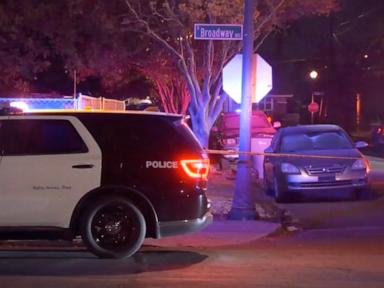
When an agent fails that test, the fallout damages the credibility of every officer who wears the uniform with discipline and restraint. Communities where immigration enforcement is already viewed with deep skepticism do not draw fine distinctions between on-duty enforcement raids and off-duty personal misconduct. To a neighborhood watching police tape flutter in the wind outside a neighbor's home, an agent shooting civilians represents an institutional failure of selection, training, and oversight.
As the district office prepares its findings and local grand juries weigh potential indictments, the broader conversation cannot stop at the specifics of this single criminal docket. The federal government must reevaluate its policies regarding off-duty firearm retention, mandatory reporting of personal altercations involving personnel, and the speed at which it cooperates with local municipal investigations. Until federal employers accept that their personnel are not above the local laws of the communities they inhabit, these violent collisions between badge and pavement will continue to erupt in America's backyards.