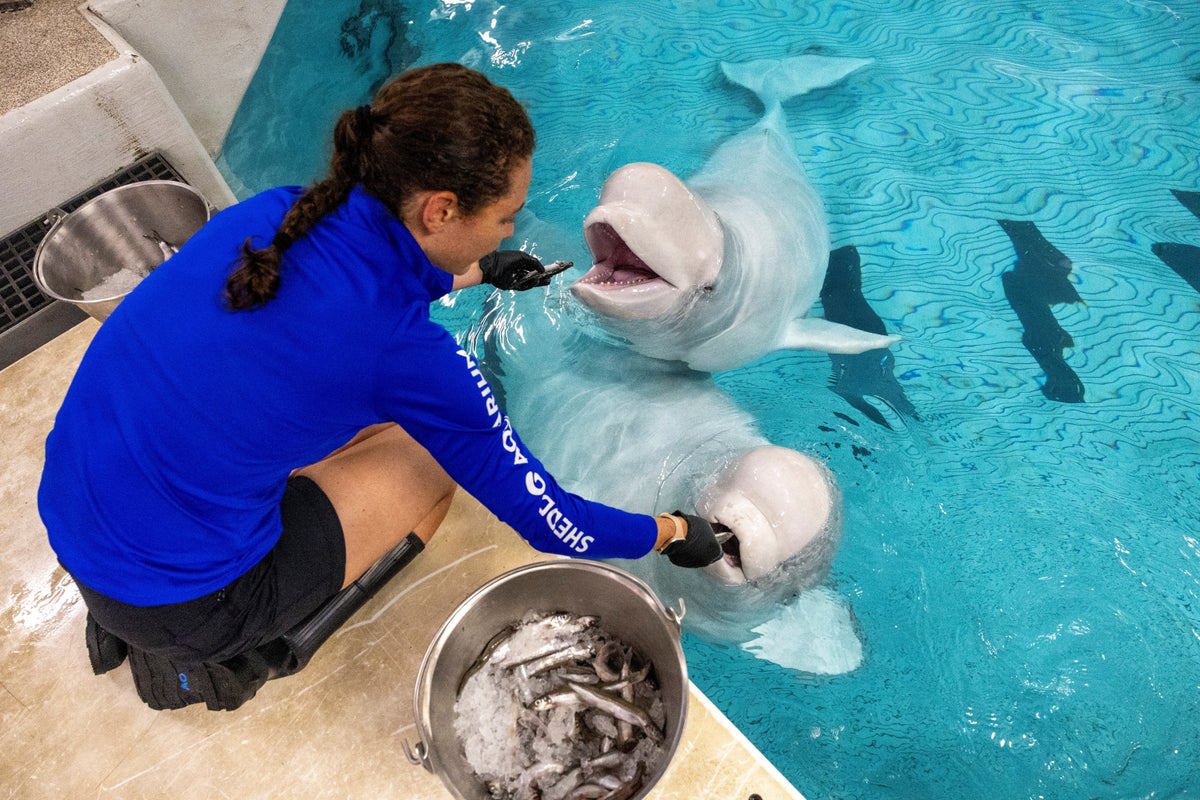
Moving a 2,000-pound marine mammal across international borders sounds like a logistical nightmare, and honestly, it usually is. When Chicago's Shedd Aquarium welcomed a pod of beluga whales from the shuttered Marineland theme park in Ontario, conservationists breathed a cautious sigh of relief. That relief turned into heartbreak when two belugas, including a recent Canadian rescue named Rain, died unexpectedly on the same day.
The sudden deaths of 20-year-old Rain and 34-year-old long-time resident Beethoven have sparked intense questions about the toll of long-distance animal transfers. This follows the tragic death of another recent rescue, Peekachu, who succumbed to severe dehydration just weeks prior. When you transport marine mammals raised in troubled facilities, you aren't just moving animals. You are dealing with decades of hidden health profiles, chronic stress, and environmental changes that can overwhelm even the best veterinary teams.
The Complex Reality of Animal Rescues
People assume that getting an animal out of a bad situation fixes everything instantly. It doesn't work that way. Marineland closed its doors after years of mounting scrutiny and a staggering loss of marine life, including 19 belugas dying at the facility since 2019. By the time the Canadian government and international coalitions organized the massive airlift and transport operation—hoisting whales in custom slings and temperature-controlled containers—the damage to their baseline health may have already been done.
Veterinarians at Shedd Aquarium faced an uphill battle from day one. Every whale arrived with a unique medical history shaped by years in a commercial park that faced strict federal phase-outs of captivity laws in Canada. Moving these animals required navigating complex federal approvals, yet the physical stress of transit can trigger rapid declines in animals with underlying, undetected conditions.
What History Tells Us About Marineland Transfers
This isn't the first time whales shipped out of this specific Canadian park have run into fatal trouble after moving. Back in 2021, Marineland transferred five belugas to Mystic Aquarium in Connecticut. Within a year, two of those whales died, and a third passed away shortly after. At the time, facility officials pointed to pre-existing conditions, a sentiment that echoes loudly in Chicago today.
Aquarium staff monitor incoming whales on a minute-by-minute basis, running blood tests and constant behavioral checks. Yet, cetaceans are notorious for masking illness until it is far too late to intervene. When a beluga whale experiences sudden physiological failure, veterinary science can only do so much to reverse the momentum of chronic, long-term environmental decline.
The Path Forward for Remaining Pods
With necropsies and comprehensive blood panels currently underway at Shedd, researchers hope to find answers that prevent further losses among the remaining pod members. Other international destinations, including Georgia Aquarium, SeaWorld locations, and Oceanogràfic Valencia in Spain, are housing the rest of the 30 relocated belugas and dolphins.
Every institution involved must now re-evaluate how transit stress impacts fragile Arctic mammals. Protecting these animals requires total transparency about their pre-existing vulnerabilities, rather than pretending a change of scenery cures years of institutional neglect.
2 beluga whales die at Shedd Aquarium, including recent rescue
This video provides an overview of the sudden deaths of the two beluga whales at Shedd Aquarium and details the ongoing investigation into their health.
http://googleusercontent.com/youtube_content/1