The morning air in Taipei smells of damp asphalt, roasted sweet potato, and the faint, sweet exhaust of ten thousand scooters idling at a red light.
Lin knows that smell by heart. He has breathed it in for forty years while opening the metal shutters of his hardware shop just blocks from the bureaucratic sprawl of the capital. He is a man who measures time in rusted hinges and copper pipes. But lately, when he looks up at the television screens mounted in the convenience stores across the street, the numbers scrolling past are written in a different currency entirely. They are written in billions.
For the first time in history, the ledger of national survival has crossed a staggering psychological threshold. Taiwan's defense spending has punched past one trillion New Taiwan dollars, swollen by extra budgetary funds that reflect a grim, escalating math of deterrence. One trillion. It is a figure so vast it ceases to be money. It becomes gravity.
To understand why a small island nation, famous for night markets and semiconductor foundries, is suddenly pouring an unprecedented mountain of cash into steel, radar, and ammunition, you have to look past the dry spreadsheets of the Ministry of National Defense. You have to look at the sky.
The Weight of a Trillion Dollars
Walk down Xinyi Road on a Tuesday afternoon, and you will not see panic. You will see grandmothers buying dragon fruit. You will see young professionals arguing over iced lattes. The facade of normalcy is thick here, painted in the neon glow of bubble tea shops and the quiet efficiency of the metro.
Yet, beneath that calm surface, an invisible machinery is grinding into motion.
When a government allocates over NT$1 trillion—factoring in the central budget alongside special allocations for fighter jets and missile upgrades—it is admitting something profound. It is acknowledging that the margin for error has shrunk to zero. Imagine a house built on a fault line. For decades, the residents patched the cracks with paint and hope, trusting the landlord next door would eventually grow tired of knocking. Now, the knocking has turned to pounding. The paint is gone. The residents are buying reinforced concrete.
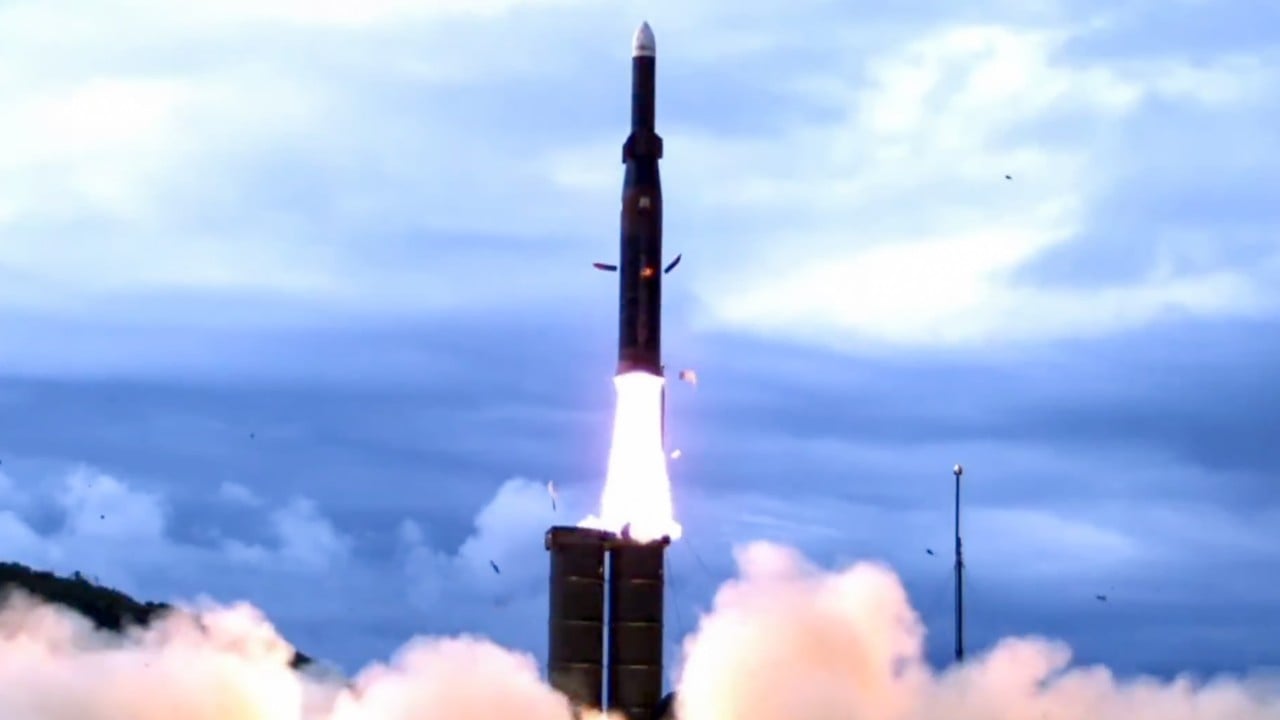
The money is not appearing out of thin air. It is dragged from the future to secure the present. Special funds have been carved out to fast-track asymmetric capabilities. These are not grand, vanity projects like massive aircraft carriers that sit proudly and burn fuel. These are mobile missile launchers hidden in the dense foliage of mountain highways. These are sea-mine layers designed to turn coastal waters into a labyrinth of jagged iron. These are the unglamorous, gritty tools of survival.
Lin doesn't know the nomenclature of a Harpoon anti-ship missile, but he knows what it costs to keep the lights on. He understands scarcity. When he hears that defense spending now accounts for a historic slice of the island’s GDP, he doesn't think of geopolitical strategy. He thinks of his grandson, who is currently studying graphic design and wondering if he should pack a bag or buy a house.
The Human Calculus of Deterrence
Numbers lie when they are isolated in a vacuum. A trillion dollars sounds omnipotent until you measure it against the sheer scale of the shadow cast from across the Taiwan Strait.
To make sense of this, consider a simple analogy. Think of a small shopkeeper standing in a narrow alleyway, facing a larger, aggressive rival who covets the store. The shopkeeper cannot afford to build a fortress that matches the rival’s entire empire. That is impossible. Instead, the shopkeeper buys a heavy iron gate, installs reinforced locks, and keeps a very loud alarm system right by the counter. The goal is not to conquer the rival's territory. The goal is to make the cost of breaking the door down so excruciatingly high that the rival decides the door simply isn't worth the trouble.
That is what this trillion-dollar injection represents. It is the cost of an iron gate.
For years, critics argued that Taiwan was underinvesting in its own defense, relying too heavily on the distant promise of external intervention. But strategy has shifted toward self-reliance. The extra funds are being funneled directly into domestic defense manufacturing—building indigenous submarines, mass-producing kamikaze drones, and reinforcing command centers deep underground inside solid granite mountains.
This pivot did not happen in a boardroom. It happened in the quiet realization of ordinary citizens who watched events unfold across the globe over the last few years. Geography is destiny, and Taiwan’s geography is a narrow strip of turbulent water that has become one of the most heavily monitored patches of ocean on the planet.
Living in the Interstitial Space
There is a strange psychological toll that comes with living inside a headline.
Foreign journalists arrive at Taoyuan International Airport with grim expressions, carrying satellite phones and looking for signs of impending doom. They interview politicians, sip oolong tea in high-rise offices, and write articles about flashpoints and red lines. Then they fly home.
The people who stay behind do not have the luxury of checking out. They live in the interstitial space between anxiety and routine.
Take Chen, a software engineer living in Taichung. On weekends, she hikes the central mountain ranges, breathing in the pine-scented air, watching the clouds roll over peaks that have stood for millennia. She knows that deep inside these very mountains, engineering crews are carving out underground hangars designed to protect fighter jets from ballistic strikes. The juxtaposition is jarring. Nature is ancient and indifferent; human engineering is frantic and terrified.
When Chen reads about the defense budget crossing the trillion-dollar mark, she feels a complicated mix of validation and dread.
"It means we are finally taking ourselves seriously," she told me over a bowl of beef noodle soup, her voice barely rising above the clatter of porcelain. "It means we are putting our money where our mouth is. But every billion added to that total is a reminder of what we are preparing for. You don't buy a fire extinguisher unless you smell smoke."
The truth is, nobody on this island wants a war. Not the lawmakers in the Legislative Yuan, not the fishermen casting nets off the coast of Penghu, and certainly not the young conscripts learning how to operate communication arrays in the humid summer heat. The trillion-dollar milestone is not an expression of militarism. It is a monument to deterrence. It is a very expensive insurance policy against the unthinkable.
The Unwritten Final Chapter
Night falls quickly in Taipei. The neon signs hum to life, casting long, electric pink and cyan reflections on the wet pavement.
Down in his shop, Lin turns off the fluorescent lights and pulls down the heavy steel shutter. It makes a loud, metallic rattle that echoes down the alley, a sharp punctuation mark at the end of another ordinary day. He walks back to his apartment, stopping briefly to buy a warm steamed bun from a street vendor who has been working the same corner for thirty years.
The world outside the island watches the ledger with bated breath, tracking every billion spent, every missile purchased, every diplomatic statement issued in Washington or Beijing. They calculate probabilities. They game out scenarios.
But back on the ground, life insists on happening in the margins. It happens in the steam rising from a night market stall, the laughter of children spilling out of a cram school, and the quiet resilience of people who have learned to build a thriving, vibrant democracy right on the edge of a precipice.
The trillion-dollar barrier has been breached. The numbers will likely climb higher tomorrow. And out in the dark water of the strait, the tide keeps rolling in, indifferent to the cost of the walls built to keep it out.