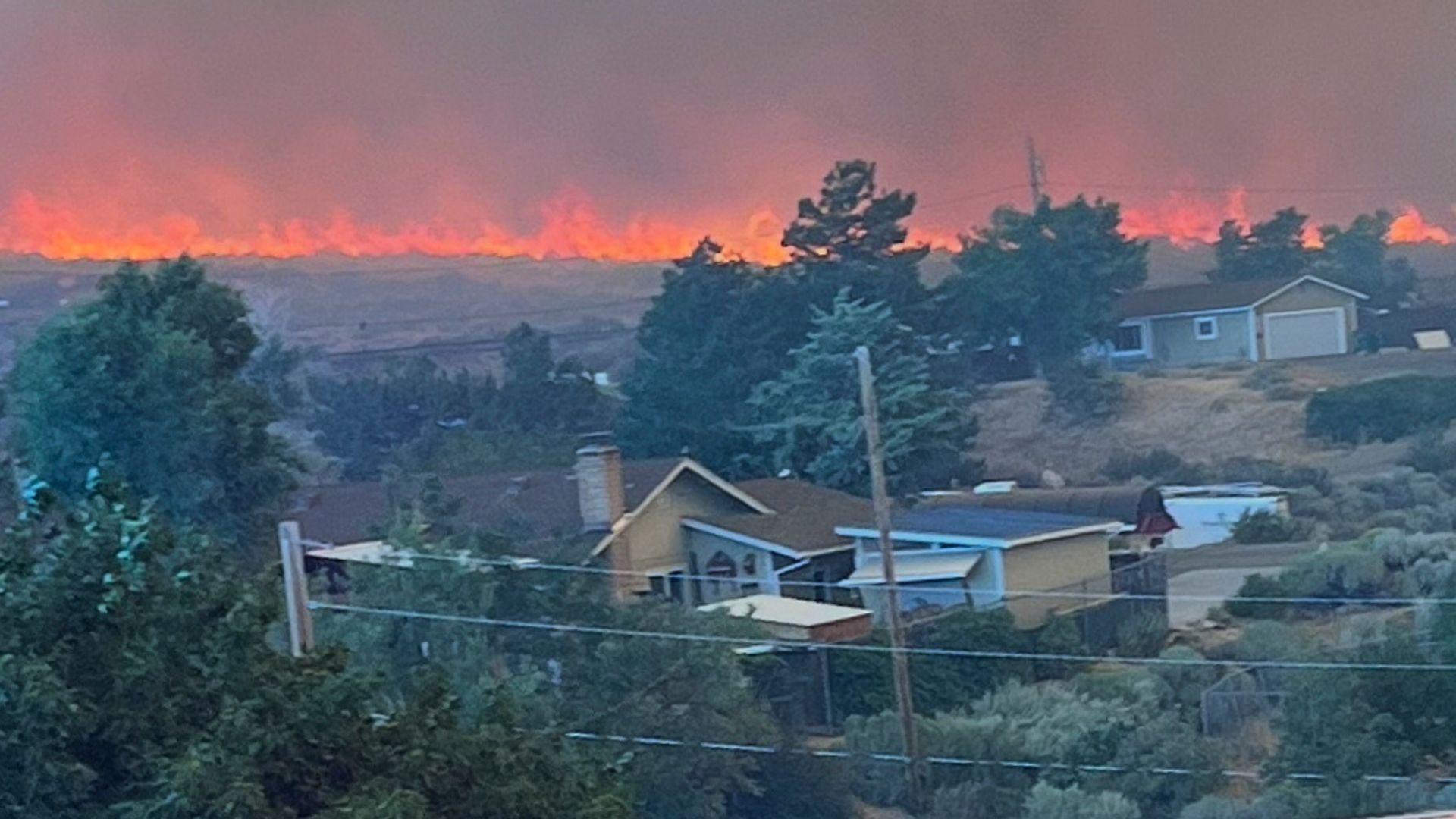
Flames do not care about your weekend plans, your neighborhood boundaries, or how fast you think you can pack your car. When a blaze tears through the rugged foothills of a major city, reality sets in remarkably fast. That is precisely what happened when a destructive, human-caused wildfire exploded near Reno, Nevada, forcing roughly 90,000 residents into chaotic evacuation zones.
If you live anywhere near the wildland-urban interface, this disaster serves as a brutal reminder. Most people completely underestimate how quickly a manageable puff of smoke turns into an unstoppable wall of fire. Let us break down what actually happened during the Hawk Fire, why the evacuation numbers spiked so high, and what you can learn from it before your own backyard becomes the next headline.
The Reality of the Reno Hawk Fire
The numbers coming out of Washoe County are staggering, but they do not fully capture the sheer terror on the ground. Starting on a Saturday in the Peavine Peak area of the Humboldt-Toiyabe National Forest, the Hawk Fire raced across more than 20 square miles of bone-dry terrain.
Washoe County Sheriff Darin Balaam pointed out just how erratic the conditions were. Winds shifted violently, pushing flames in multiple directions at once and even jumping over active fire trucks. When firefighters cannot protect their own heavy equipment because the winds are moving too fast, you know you are dealing with extreme fire behavior.
Authorities split the impacted population into strict zones. Around 42,000 people faced mandatory "GO NOW" orders stretching right up to the edge of the University of Nevada. Another 45,000 people sat in immediate warning zones, told to pack their bags and prepare to flee. Governor Joe Lombardo declared a state of emergency, deploying the Nevada National Guard with helicopter crews and dozens of troops to help police secure abandoned neighborhoods.
Why Human-Caused Disfires Hurt the Most
Authorities confirmed that the Hawk Fire was human-caused, though investigations into the exact trigger remain ongoing. That detail stings. Lightning strikes are an act of nature, but a human-sparked blaze means someone was careless with a campfire, equipment, or vehicle sparks during peak dry conditions.
When a fire starts because of human error, the anger mixes right in with the ash. Whole families lost everything. Residents like Cari Kieffer watched social media videos of their homes burning to the ground, leaving behind little more than a scorched basketball hoop. Others found out their tracking apps were lagging far behind the actual flames, trapping them in a race against the wind.
You cannot rely on a phone app to tell you when to leave. By the time an app updates, the road out might already be blocked by smoke or traffic.
Practical Steps to Protect Yourself Before Disaster Strikes
Most survival advice tells you to "be prepared," but that phrase is useless without specifics. If you want to keep your family safe when a fast-moving wildfire threatens your city, you have to take concrete actions long before the smoke appears on your horizon.
- Clear a defensible space: Embers travel for miles. Clear brush, dead leaves, and flammable materials at least thirty feet away from your exterior walls.
- Keep your gas tank full: During a mass evacuation of 90,000 people, gas stations lose power or run out of fuel. If your car is sitting below a quarter tank, you are already trapped.
- Pack a true grab-and-go box: Birth certificates, pet medications, hard drives, and irreplaceable family photos should live in an accessible bin. Do not waste precious minutes trying to decide what matters while the wind sounds like an oven blast outside your window.
- Ignore normalcy bias: When Tyler Duvall went camping and saw a small smoke plume, he figured it was no big deal. Hours later, his house was inside the emergency zone. Assume every small fire will grow into a monster.
Wildfire seasons are longer, hotter, and far less forgiving than they used to be. Do not wait for an evacuation order to take the threat seriously. Check your local emergency alerts today, map out two distinct ways out of your neighborhood, and make sure your family knows the plan.