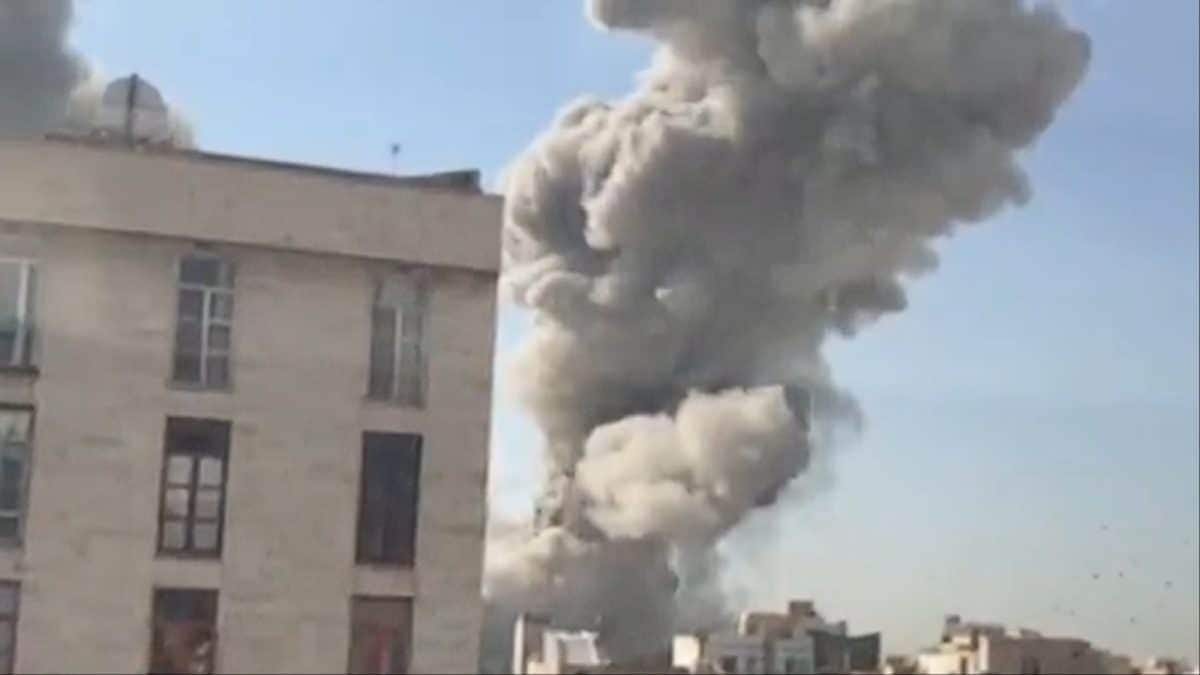
The sound of windows rattling in central Tehran isn't something you forget. When news broke that Israeli jets had conducted a series of "precise strikes" against Iranian military targets, the immediate reaction across global markets and diplomatic circles was a mixture of dread and a "here we go again" cynicism. But if you think this is just another round of the same old shadow war, you're missing the bigger picture. This isn't just a headline about thick smoke and loud noises. It’s a fundamental shift in how the two most powerful militaries in the region interact.
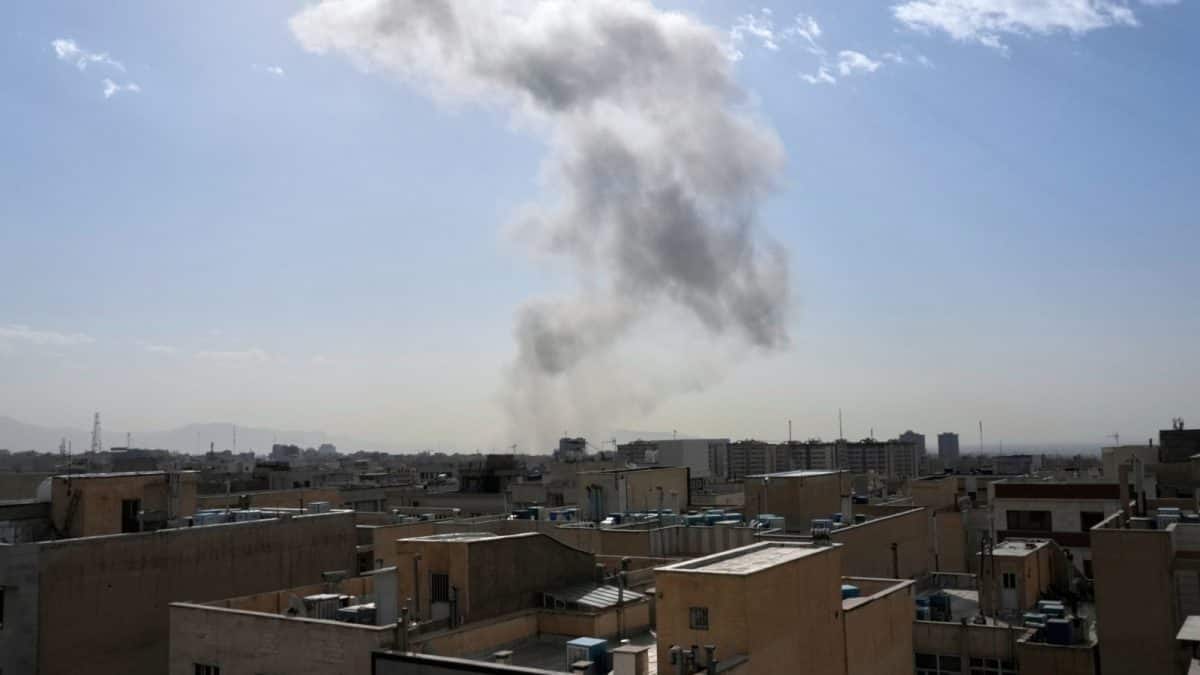
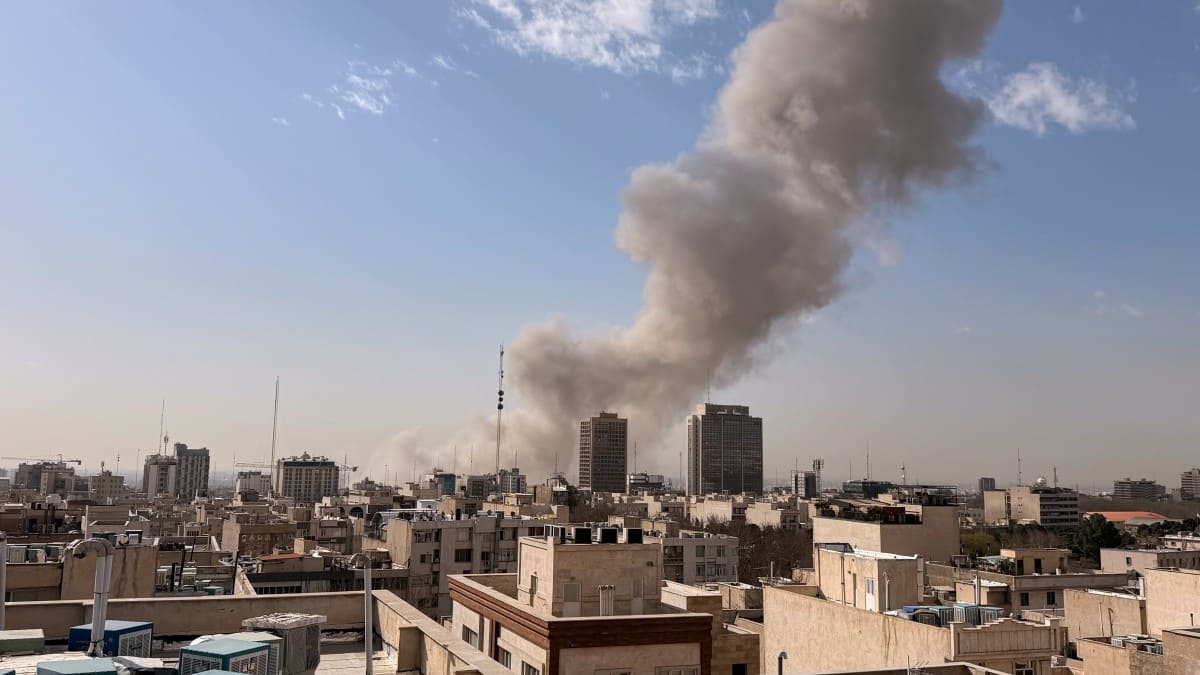
The reality on the ground in Iran's capital was chaotic. Reports from state media initially tried to downplay the event, suggesting the booms were just air defense systems doing their job. However, the sheer volume of the blasts and the visual evidence of smoke rising from several key coordinates tells a different story. You don't launch a multi-wave air assault just to poke a hornets' nest. You do it to dismantle specific capabilities.
The Anatomy of the Strike
Israel's strategy during this operation wasn't about hitting civilian infrastructure. That’s a common misconception. Instead, the focus was laser-pointed at missile manufacturing facilities and surface-to-air missile arrays. By taking out the eyes and ears of Iran’s defense—the radar systems—Israel basically told the Iranian leadership that their airspace is far more porous than they’d like to admit.
It’s important to understand the scale here. We aren't talking about a few drones. We’re talking about dozens of advanced aircraft flying over 1,000 miles, refueling in mid-air, and hitting targets with extreme accuracy. This requires an insane level of intelligence. It means someone, somewhere, knew exactly which warehouse held the fuel mixers for the medium-range missiles.
Why the Rhetoric Matters More Than the Rubble
In the aftermath of any strike like this, the propaganda machine goes into overdrive. Tehran claims minimal damage. Jerusalem claims a "mission accomplished" moment. The truth usually sits somewhere in the uncomfortable middle. What’s different this time is the lack of immediate, massive retaliation from the Iranian side.
In the past, an attack on the capital would have been an automatic red line. Now? The response feels calculated, almost hesitant. This suggests that the internal pressure within the Iranian Revolutionary Guard Corps (IRGC) is reaching a boiling point. They have to decide if they want to risk a full-scale war that could jeopardize the regime's survival or if they’ll swallow the pride of a damaged defense system to fight another day.
The Role of Air Defense Systems
People often ask why air defenses don't just shoot everything down. It's not a video game. Even the best systems, like the S-300 or the domestic Bavar-373, can be overwhelmed by electronic warfare or sheer numbers. When Israel flies, they aren't just sending planes; they're sending a suite of electronic jamming equipment that makes those radar screens look like static.
When you see "thick smoke" over a city like Tehran, it’s often a sign that a secondary explosion occurred. This happens when a missile hits a storage site for explosives or fuel. It’s a nightmare for first responders and a PR disaster for a government that promises total security to its citizens.
Misconceptions About Regional Stability
A lot of folks think these strikes lead directly to World War III. That’s a bit of an exaggeration. Most of the time, these actions are part of a very violent, very high-stakes "dialogue." Israel is communicating its reach. Iran is communicating its resilience. The danger isn't necessarily the strike itself, but the potential for a mistake. A stray missile hitting a crowded apartment block or a diplomat’s residence could flip the script from a tactical strike to a total catastrophe.
The economic fallout is another layer people ignore. Every time an explosion rocks a major Middle Eastern hub, oil prices jump. Even if the refineries aren't hit, the fear that they might be hit tomorrow is enough to make traders nervous. It’s a reminder of how interconnected our world is. Your gas prices in a suburb thousands of miles away are tied to the stability of a city you’ve never visited.
What Happens When the Smoke Clears
The immediate aftermath is usually a period of "quiet" that feels incredibly loud. Both sides are currently assessing the damage. Not just the physical damage to buildings, but the damage to their international standing.
- Intelligence Gathering: Expect a surge in satellite surveillance. Everyone wants to see the "before and after" photos of the target sites.
- Diplomatic Backchannels: Behind the scenes, countries like Qatar, Oman, and the US are likely burning up the phone lines trying to prevent the next wave.
- Cyber Warfare: Often, the physical bombs are just the tip of the spear. We’ll likely see an uptick in hacks against government websites and power grids in the coming weeks.
Honestly, the most telling thing to watch isn't the official statements. It's the movement of high-ranking officials. If they start moving underground or leaving the capital, that's when you should actually worry. For now, the "explosions in Tehran" are a brutal reminder that the rules of engagement in the Middle East have been rewritten.
If you're looking to stay informed, don't just follow the big headlines. Track the flight paths of cargo planes moving between allied nations. Watch the price of gold. These are the real indicators of where the tension is headed. Stop looking at the smoke and start looking at the people who lit the fire.
Keep a close eye on the official statements from the International Atomic Energy Agency (IAEA) over the next 48 hours. Any shift in their access to Iranian sites will be the first real sign of how Tehran intends to "repay" this latest incursion.