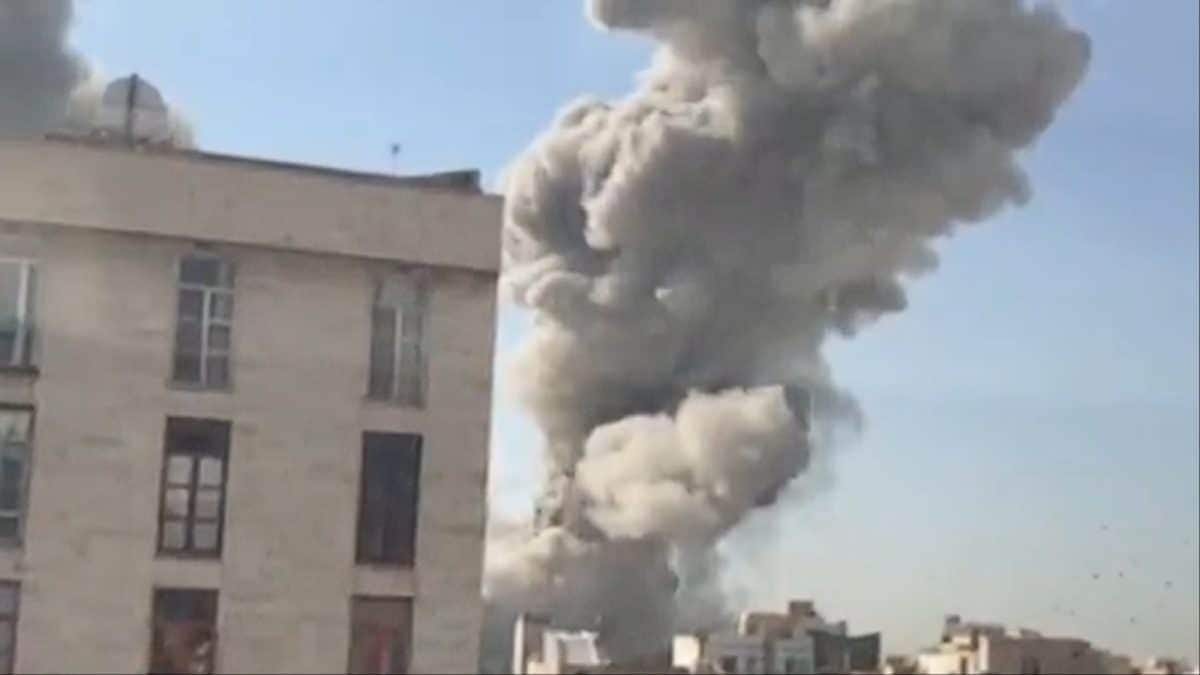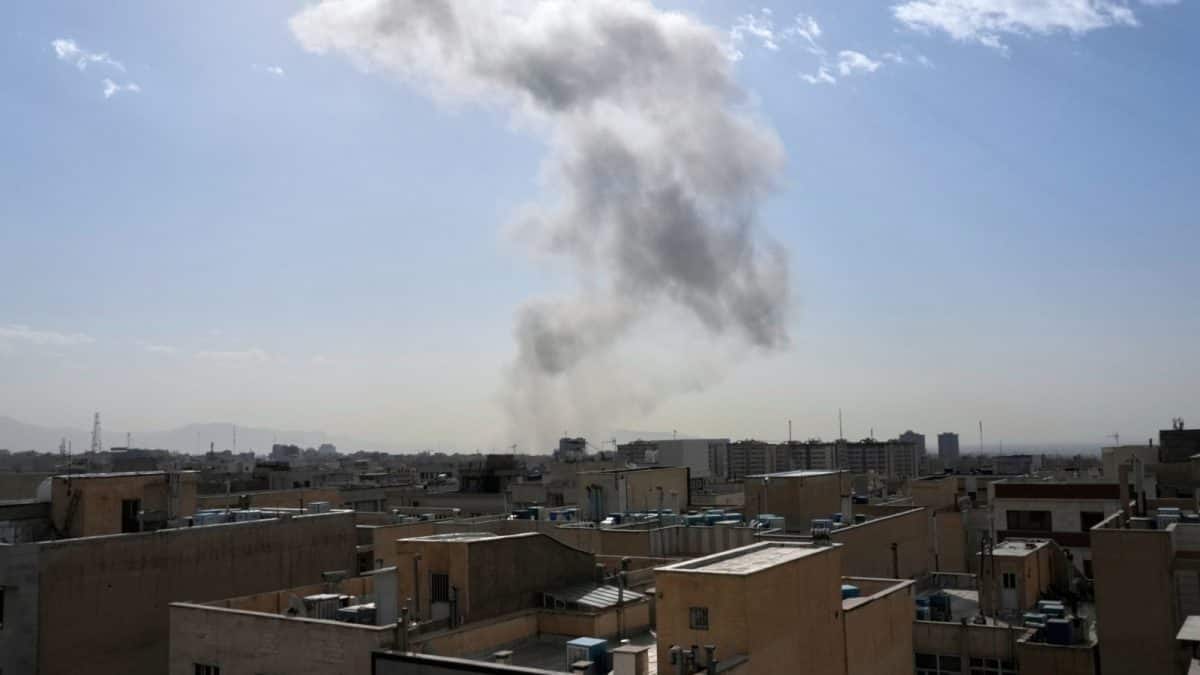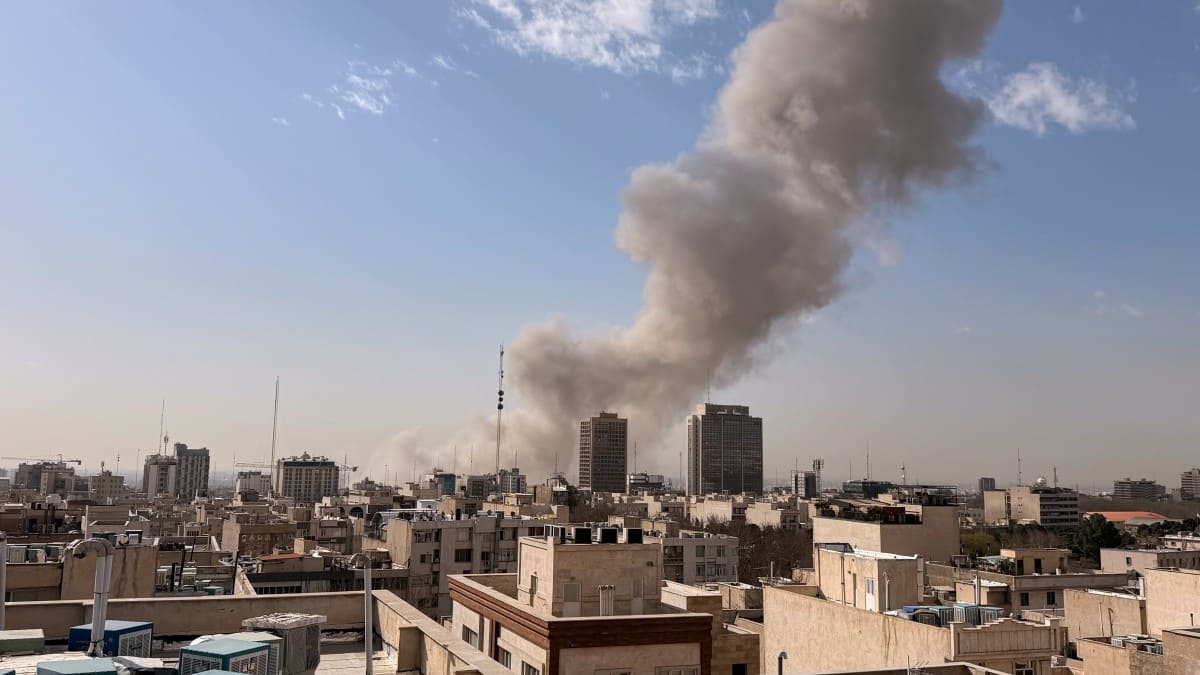
The survival of the current Israel-Hezbollah cessation of hostilities depends not on diplomatic intent, but on the operational calibration of "proactive enforcement." When the Israel Defense Forces (IDF) conduct airstrikes against Hezbollah infrastructure in Southern Lebanon—as seen in recent engagements in the Litani River basin—they are testing the elasticity of a ceasefire agreement that lacks a centralized, neutral enforcement mechanism. The core tension lies in the discrepancy between the legal text of the agreement and the tactical reality of a "zero-tolerance" security doctrine.
The Mechanics of Defensive Friction
Ceasefires in asymmetric warfare are rarely binary states of peace or war; they function as managed friction. The recent strikes in Southern Lebanon serve as a signaling mechanism designed to establish a new "status quo" before Hezbollah can reconstitute its forward presence. This strategy is defined by three specific operational imperatives:
- Denial of Re-entry: Preventing the return of Radwan Force personnel to fortified positions within the 0-10km band of the Blue Line.
- Infrastructure Sterilization: Identifying and neutralizing weapons caches, tunnel apertures, and launch pads that remained undetected during the primary kinetic phase.
- Intelligence Validation: Using low-intensity strikes to probe Hezbollah’s command-and-control response times and determine if the group’s hierarchy still maintains cohesive discipline over local cells.
The failure of previous UN-brokered arrangements, specifically Resolution 1701, informs this current posture. Where 1701 relied on Lebanese Armed Forces (LAF) and UNIFIL mediation, the current Israeli strategy utilizes immediate kinetic feedback. If a Hezbollah operative enters a restricted zone, the response is a direct strike rather than a diplomatic filing. This shifts the "burden of compliance" directly onto the non-state actor.
The Tripartite Failure Risk
Stability in the Levant is currently a function of three volatile variables. If any one of these pillars collapses, the ceasefire transitions back into high-intensity conflict.
- The Monitoring Gap: A monitoring committee led by the United States and France exists to arbitrate violations. However, the lag time between a reported breach and an official committee ruling is often longer than the tactical window required to neutralize a threat. This leads to "unilateral enforcement," where Israel acts before the committee can convene, which Hezbollah then frames as a violation of sovereignty.
- LAF Resource Constraints: The Lebanese Armed Forces are tasked with being the sole armed presence south of the Litani. The LAF currently faces a systemic shortage of fuel, hardware, and personnel. Without significant external capital infusion, the LAF cannot physically occupy the vacuum left by Hezbollah, creating a "security void" that naturally attracts insurgent re-entry.
- Ambiguity of "Defensive Action": The agreement allows for the right of self-defense. In a theater where "imminent threat" is defined by the mere presence of an armed group near a civilian border, the definition of self-defense becomes overly broad. This ambiguity allows for continuous kinetic activity under the umbrella of a technical truce.
Economic and Demographic Pressures as Strategic Drivers
The geopolitical calculus is not limited to missile counts or border patrols; it is driven by the necessity of civilian return. For the Israeli government, the ceasefire is a failure if the 60,000+ displaced residents of Northern Galilee do not return to their homes. This demographic requirement dictates a "High-Enforcement" model.
The North cannot be repopulated if Hezbollah retains "Look-Down" capabilities—the ability to target civilian movement from elevated positions in Southern Lebanon. Therefore, the IDF’s strikes are less about starting a new war and more about ensuring the northern border remains a "Cold Zone." Conversely, Hezbollah faces internal pressure from its own displaced constituency in the south. If the group cannot facilitate the return of its base to the border villages, its political legitimacy within the Lebanese sectarian framework erodes.
This creates a paradox: both sides need their civilians to return to ensure political stability, but the presence of those civilians increases the stakes of every tactical violation. A single miscalculated strike that results in civilian casualties on either side can trigger a "retaliation spiral" that the monitoring committee is unequipped to halt.
Structural Vulnerabilities in Monitoring Systems
The effectiveness of any border monitoring system is limited by its "sensor-to-shooter" cycle. In the current Lebanese context, the sensors are predominantly Israeli UAVs and signals intelligence. The shooters are Israeli standoff assets. The missing link is the "Neutral Verifier."
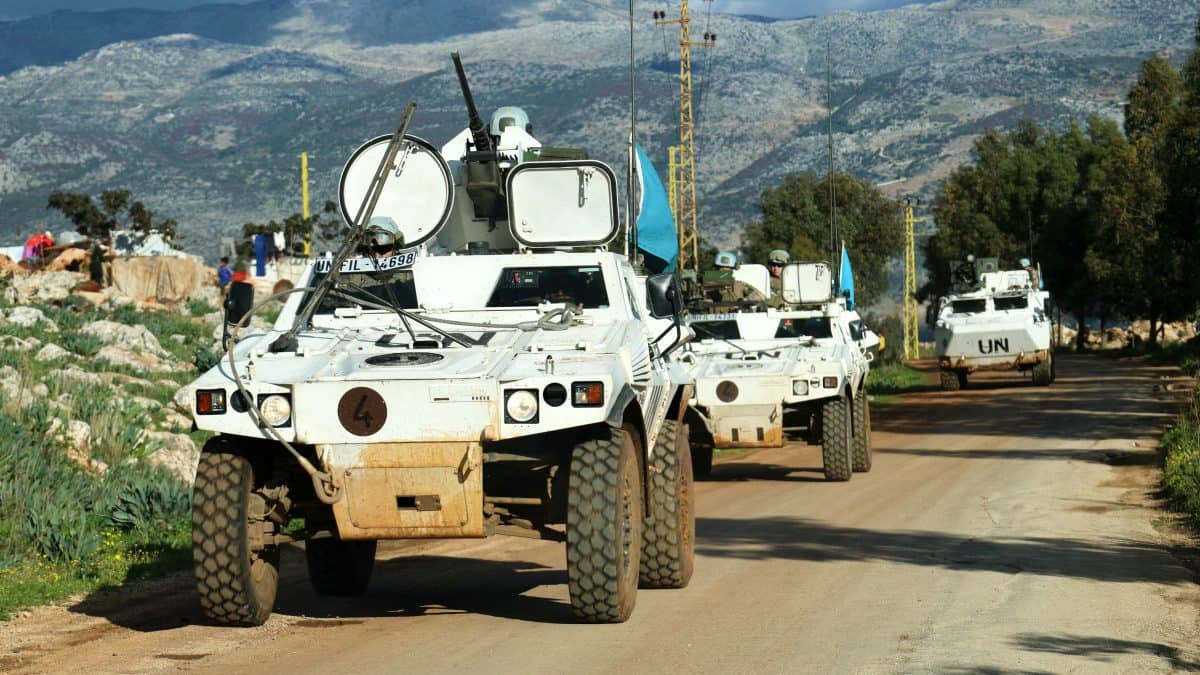
- UNIFIL’s Operational Ceiling: UNIFIL’s mandate prevents it from conducting proactive inspections without LAF presence or specific coordination. This creates "Blind Sectors" where Hezbollah can maneuver with near-impunity until they are picked up by Israeli sensors.
- The Problem of Non-Military "Infrastructure": Many Hezbollah positions are integrated into civilian homes or agricultural buildings. The destruction of these sites, even if they contain weaponry, is categorized by the Lebanese government as a violation of civilian property rights. This divergence in terminology—"combatant infrastructure" versus "civilian property"—is the primary driver of diplomatic escalation.
The Operational Playbook for Conflict Mitigation
A sustained de-escalation requires a transition from the current "Reactive-Kinetic" model to a "Monitored-Static" model. This shift involves several distinct phases:
- Phased Withdrawal Cycles: The current agreement mandates a 60-day period for the full deployment of the LAF. During this window, any IDF activity must be specifically calibrated to high-value infrastructure rather than personnel movement to avoid accidental escalations.
- The International Financial Lever: The LAF cannot function without a dedicated, non-Lebanese salary fund. Without this, the Lebanese soldier has zero incentive to engage or disarm Hezbollah personnel. This creates an "Enforcement Deficit" that can only be filled by the IDF, which inevitably leads to the resumption of conflict.
- High-Altitude Observation Neutrality: The implementation of a multi-national aerial monitoring program—potentially involving U.S. and French assets—would provide a common operating picture (COP) to both Jerusalem and Beirut. A shared data set on border violations reduces the likelihood of "Pre-emptive Accusations" from either side.
The fragility of the current cessation of hostilities is not a bug; it is a feature of the strategic environment. The conflict has moved from a high-intensity war of attrition to a high-stakes competition of "Enforcement Dominance." If the Israel-Hezbollah ceasefire is to survive the 60-day transition period, the LAF must be rapidly capitalized as a genuine border force, and the Israeli IDF must maintain a surgical, rather than comprehensive, kinetic posture. The strategic play is to decouple border security from political ideology—a task that remains the most significant hurdle in the Levant.
Would you like me to analyze the specific impact of these enforcement strikes on the Lebanese Armed Forces' (LAF) deployment timeline?