The WhatsApp message arrives at 3:00 AM in a cramped bedroom in Chandigarh. It is just a screenshot of a bank ledger, but to the family staring at the blue light of the phone, it represents survival. It represents school tuition paid, a leaking roof repaired, and a sister’s wedding funded.
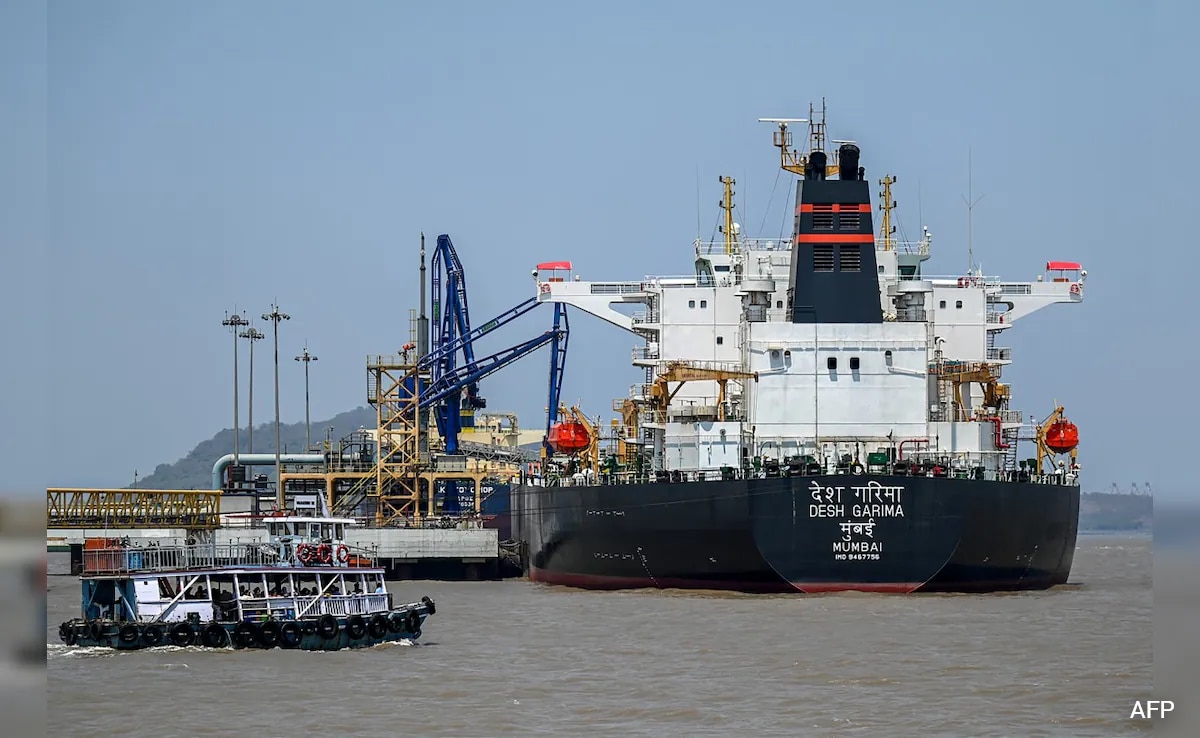
Thousands of miles away, the man who sent that money is staring at a completely different kind of light. He is standing on the steel deck of a commercial cargo vessel slicing through the dark waters of the Gulf of Aden. The horizon is pitch black, broken only by the distant, flickering flares of oil refineries and the sudden, terrifying flash of a missile launch.
This is the bargain of the modern Indian seafarer.
For decades, going to sea was a ticket to the middle class for thousands of young men from Punjab, Kerala, and Tamil Nadu. Today, that ticket requires them to sail directly through a geopolitical powder keg. As regional conflicts flare, drone strikes intensify, and commercial ships become the primary targets of proxy wars, these sailors are choosing between two distinct types of ruin: the financial devastation of staying home, or the physical peril of heading into a war zone.
They choose the war zone. Every single day.
The Floating Targets
To understand why a man boards a ship knowing it might be blown out from under him, look at the arithmetic of global shipping.
India provides roughly ten percent of the world’s seafaring workforce. They are the backbone of global trade, the invisible hands moving everything from grain to crude oil through the arteries of global commerce. When major shipping lanes like the Red Sea, the Bab al-Mandab Strait, and the Strait of Hormuz turn into active combat zones, the Western crews often pack their bags. Shipping companies must then find mariners willing to accept the risk.
Enter the global south.
Consider a typical third officer on a bulk carrier. Let’s call him Akash. He is twenty-four, sharp, and carries the financial expectations of seven extended family members on his shoulders. In an onshore job in Mumbai or Chennai, Akash might make a few hundred dollars a month, swallowed instantly by inflation and rent. On a tanker traversing the volatile waters near the Iranian coast, he can command upwards of four thousand dollars a month.
To a young man with a family to rescue from poverty, that isn’t just money. It is leverage against destiny.
But the leverage comes at a terrifying premium. The danger is no longer the predictable threat of Somali pirates looking for a ransom payout. The modern threat is state-sponsored, high-tech, and entirely indifferent to civilian life. Drones carrying military-grade explosives slam into crew quarters without warning. Ballistic missiles fired from hidden desert outposts tear through steel hulls in milliseconds.
When a ship is hit, it doesn't matter that the crew is entirely civilian, entirely neutral, and entirely unarmed. They are collateral damage in a war they have no stake in.
Inside the Dead Zone
The tension onboard changes the moment the vessel enters the High Risk Area. Security protocols shift from routine maintenance to active survival.
Sailors weld razor wire along the rails, not that it offers any protection against a loitering munition dropping from the clouds. They don heavy ballistic vests and helmets over their standard boiler suits. The heat inside the superstructure becomes suffocating because the air conditioning is shut down to prevent toxic smoke from circulating in the event of a strike.
The psychological toll is a slow, grinding erosion. Mariners report sleeping in their clothes, their shoes laced tight, a grab-bag of vital documents pressed against their chests. Every sudden vibration of the engine feels like an explosion. Every radar blip is a potential suicide boat.
The maritime industry has attempted to address this through double-pay agreements for transiting high-risk zones, alongside the right for seafarers to refuse transit and be repatriated at the company’s expense.
Yet the reality on the deck is far more complicated than the paperwork in a Geneva office.
Refusing a transit sounds simple on paper. In practice, it can be career suicide. Mariners speak in quiet whispers about the informal blacklists that exist within manning agencies. A sailor who invokes his right to step off a ship before it enters a danger zone is often marked as unreliable, a liability who lacks the stomach for the deep sea. In a hyper-competitive job market where hundreds of desperate applicants are waiting to take your berth, compliance is the only real option.
So, they sign the waiver. They log into their banking apps, verify the hazard pay bonus, and pray the radar screen stays clear.
The Invisible Network
The dependency goes deeper than individual bravery. The entire maritime infrastructure of developing nations is calibrated to feed this machine. Small, unaccredited maritime academies dot the coastlines of the subcontinent, promising lucrative international careers to young men from rural villages. Many of these families take out massive, high-interest predatory loans just to pay the tuition fees for these academies, betting everything on the future earnings of their sons.
When those sons graduate, they find a market flooded with entry-level ratings. The only agencies hiring are often those operating older, poorly maintained vessels flying flags of convenience—ships that lack the sophisticated anti-missile defense systems of major corporate fleets.
These are the vessels sent into the teeth of the conflict.
The global consumer never sees this supply chain. When a consumer buys a product, they see a price tag and a delivery date. They do not see the Indian third engineer sweating in a forty-five-degree engine room while proxy forces exchange missile fire overhead. They do not see the captain calculating whether to hug the Saudi coastline or risk the deep channel closer to Iranian patrol boats.
It is a system built on the quiet exploitation of economic necessity. The shipping companies get their cargo through the choke points, the global economy avoids a catastrophic supply chain collapse, and the seafarer takes all the physical risk in exchange for a slice of stability back home.
The Weight of the Return
When the contract ends and the ship finally docks in a safe harbor, the transition back to normal life is jarring.
A sailor returns to his village a hero. He brings gold jewelry for his mother, a new tractor for his father, and promises of a secure future. He sits at the dinner table while his family laughs and talks about normal things—local politics, neighborhood gossip, the price of vegetables.
But his eyes keep drifting to the window. His ears are still tuned to the frequency of an alarm that isn't ringing. He knows that in six months, the money will run low, the bills will mount again, and the phone will buzz with another contract offer from an agency.
The cycle resets. The fear is pushed down, packed away into the same duffel bag that holds his passport and his sea boots.
The true cost of global trade isn't measured in barrels of oil or metric tons of grain. It is measured in the quiet calculation made by thousands of men staring at the black ocean, wondering if the next sound they hear will be the wind, or the end.