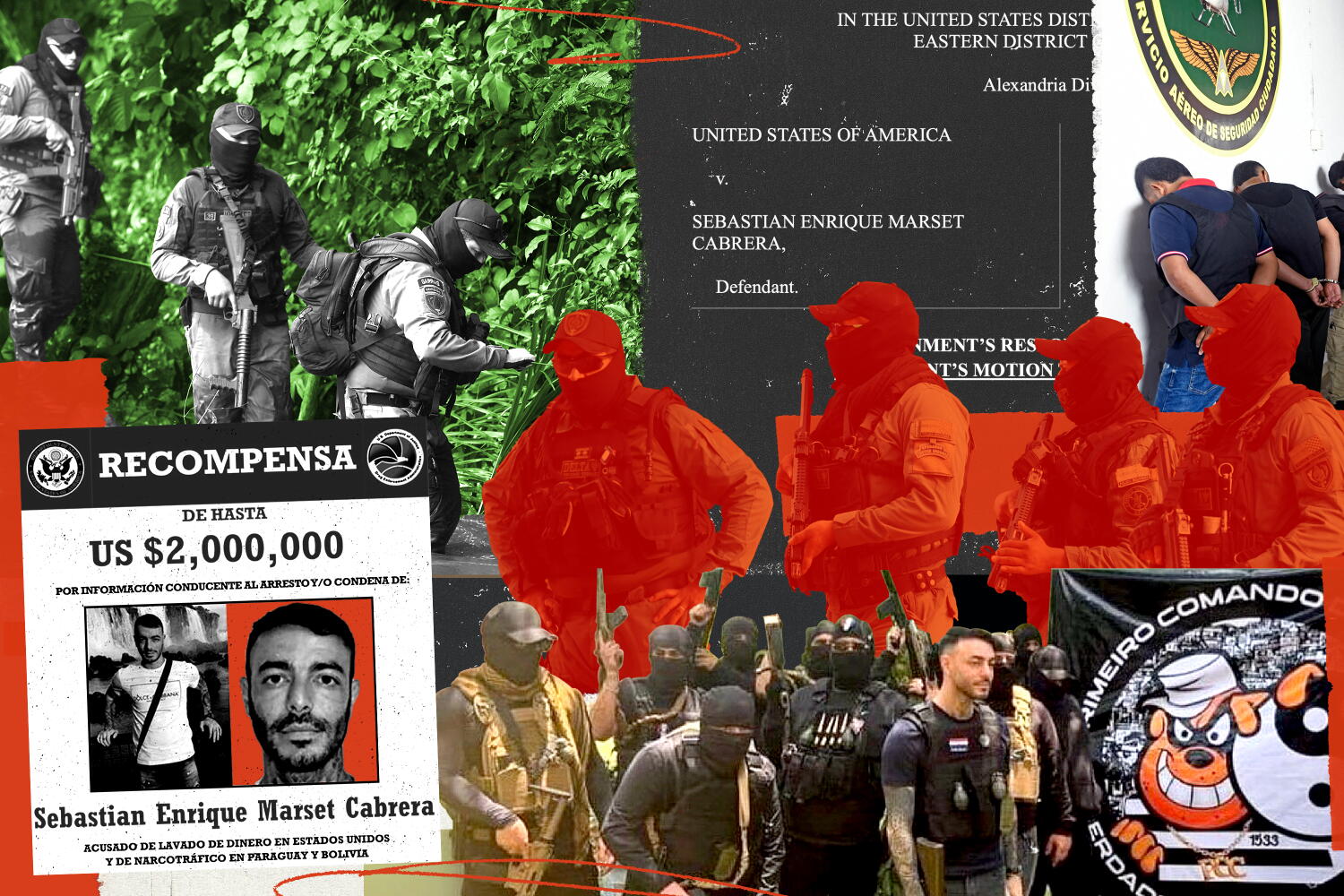
Sebastián Marset Cabrera did not look like a traditional drug lord. While twentieth-century kingpins built visible empires on intimidation and territorial bloodbaths, Marset treated international narcotics logistics like a transnational tech startup, integrating digital encryption, professional soccer clubs, and decentralized cryptocurrency networks to move multi-ton shipments of cocaine from the Andes to European ports. His eventual arrest and subsequent legal battle against extradition to the United States exposed the terrifying evolution of modern transnational crime: it is fluid, corporate, and almost entirely reliant on the digital architecture of the globalized economy.
The mechanics of this operation reveal a structural shift in how illicit fortunes are amassed and protected. Traditional cartels relied heavily on physical cash couriers and deeply entrenched banking complicity. Marset and his contemporaries optimized efficiency by leveraging encrypted communication platforms like Sky ECC—now the focal point of federal evidentiary battles in U.S. courts—and obfuscating capital through crypto-assets and front businesses. Luxury car dealerships, real estate portfolios, and even professional soccer squads served as physical layers masking the digital circulation of illicit wealth.
In Bolivia, Marset famously hid in plain sight by purchasing a second-division football team and registering himself as an active player, appearing on television screens nationwide while international police agencies scrambled to close the net. This audacity was not merely psychological warfare against law enforcement; it was a calculated integration into the social fabric of the host country. By embedding himself within institutions that held public admiration and political adjacency, he bought institutional protection and social camouflage.
When the operation unraveled following coordinated pressure from the DEA, Europol, and regional authorities, the fallout destabilized political corridors far beyond the Andean region. In Uruguay, the hurried issuance of a passport to Marset while he was detained in Dubai triggered a string of high-level government resignations and ministerial casualties. In Paraguay, investigators linked his network to the assassination of anti-mafia prosecutor Marcelo Pecci, demonstrating that corporate-style modernization has not replaced the cartel's ultimate enforcement mechanism: calculated lethal violence.
The legal battle unfolding in American courts centers on whether encrypted chat logs and international bribery payments can be seamlessly admitted across distinct jurisdictions. Defense attorneys argue against the admissibility of digital telemetry data, while prosecutors maintain that modern conspiracies leave digital footprints that supersede traditional paper trails.
As the digital architecture of law enforcement evolves to meet these cross-border threats, the underlying vulnerability remains systemic corruption and the sheer velocity of digital capital movement. The case of the Uruguayan kingpin serves as an uncomfortable blueprint for twenty-first-century criminality, proving that the most dangerous syndicates no longer hide in the jungle—they operate on the blockchain, behind corporate boardrooms, and on the soccer pitch.