Most people look at a scarred, polluted stretch of New Jersey coastline and see a lost cause. They assume once heavy industry wrecks a wetland, you might as well pave it over and put up another warehouse.
They're dead wrong.
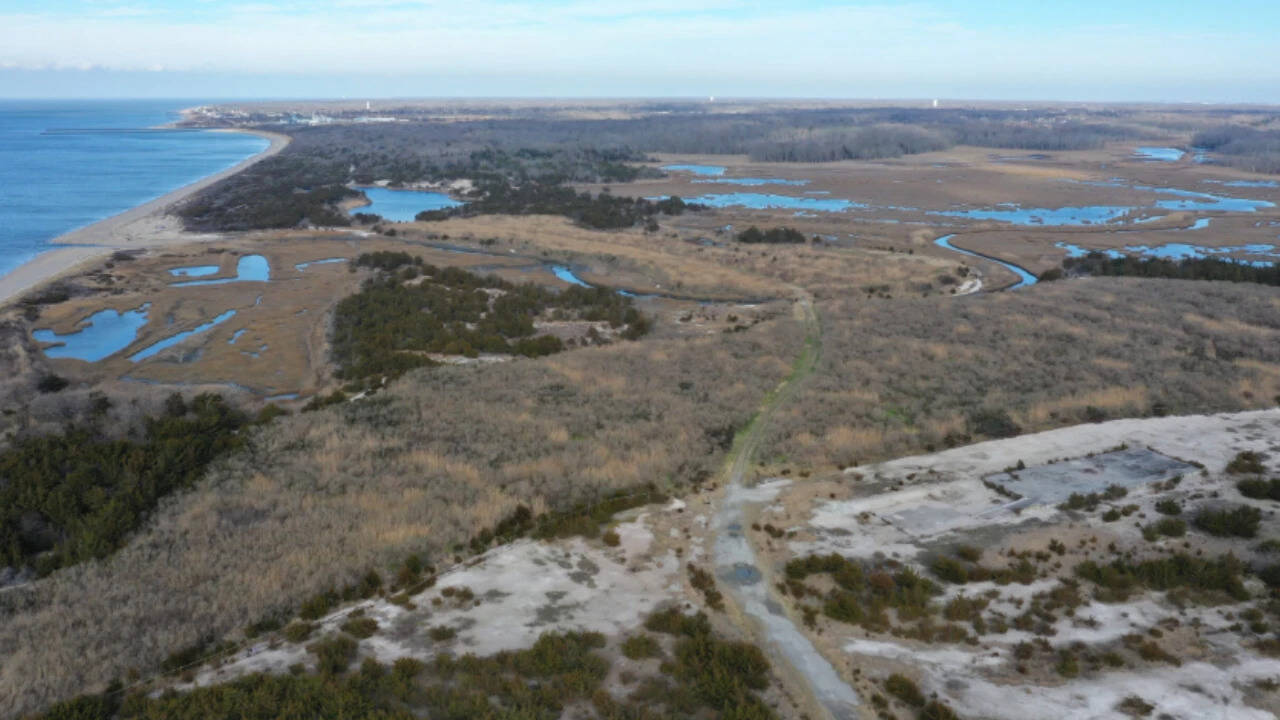
When New Jersey kicked off the restoration of a 290-acre marsh and former industrial site in 2024, it wasn't just another feel-good environmental press release. It was a massive, high-stakes bet on coastal survival. If you've ever driven along the industrial corridors of the Garden State, you know the exact type of property I'm talking about—crumbling bulkheads, invasive reeds choking out everything native, and soil carrying the heavy chemical footprint of twentieth-century manufacturing. Turning 290 acres of that back into a functioning tidal marsh takes serious engineering, massive funding, and a willingness to undo decades of bad land-use decisions.
Why This 290-Acre New Jersey Marsh Restoration Matters Now
Coastal real estate in New Jersey is under relentless pressure. Between rising sea levels, sinking land, and intensifying storms, the state can't afford to leave degraded waterfront sitting idle as a toxic liability.
Restoring a 290-acre tidal wetland changes the math for surrounding communities. Healthy marshes act like giant coastal sponges. According to the National Oceanic and Atmospheric Administration (NOAA), just one acre of wetland can store roughly 1 to 1.5 million gallons of floodwater. Do the math on 290 acres. That's hundreds of millions of gallons of storm surge absorbed before it ever reaches local basements, highways, or electrical substations.
You can't build a concrete seawall that does that job better. Seawalls reflect wave energy, often making erosion worse for neighboring properties down the coast. A living marsh slows water down, traps sediment, and actually builds elevation over time if given enough room to breathe.
The Messy Reality of Fixing Former Industrial Land
Here's what glossy brochures won't tell you about brownfield-to-wetland conversions. You don't just plant some cordgrass and walk away.
Former industrial sites in New Jersey almost always come with baggage. Decades of manufacturing, dumping, and filling left behind compacted soils, heavy metals, petroleum hydrocarbons, and artificial elevations that block natural tides. When I've walked similar restoration sites across the Mid-Atlantic, the first thing that jumps out isn't the wildlife—it's the sheer volume of dirt that has to move before a single native seed hits the mud.
Stripping Away the Fill and Toxins
To bring back a tidal marsh, engineers first have to deal with the contamination. Depending on what sat on the site decades ago, crews have to excavate hotspots, cap contaminated zones, or isolate pollutants so tidal water doesn't flush toxins straight into adjacent waterways.
Then comes the grading. Industrial developers spent the last century dumping fill into marshes to create dry land for factories and rail yards. Restoration flips that script. Heavy machinery has to scrape away feet of historic fill to bring the land back down to the exact elevation where daily tides can flood and drain the soil naturally. Miss that elevation by six inches, and your native plants drown—or dry out and get overrun by weeds.
Winning the War Against Phragmites
If you've spent five minutes near a New Jersey highway, you've seen Phragmites australis—that tall, feathery, invasive reed that grows in impenetrable twelve-foot walls. Phragmites loves disturbed, polluted soil. Once it takes over a degraded marsh, it crowds out native plants, ruins habitat for shorebirds, and dries out the wetland floor, turning it into a massive fire hazard every autumn.
Reclaiming 290 acres means breaking the stranglehold of invasive species. Contractors typically spend years mowing, treating, and re-flooding the terrain with saltwater—which native Spartina (saltmarsh cordgrass) tolerates easily, while Phragmites struggles in higher salinity. It's slow, unglamorous work. Anyone expecting a postcard-ready wildlife sanctuary six months after groundbreaking doesn't understand how coastal ecology works.
What Actually Lives Here Once the Tides Return
When you get the hydrology right, nature moves back in faster than most people expect.
The Atlantic Flyway runs right over New Jersey. Millions of migratory birds depend on coastal marshes to refuel during grueling journeys between South America and the Arctic. A restored 290-acre marsh immediately becomes prime real estate for:
- Wading birds and shorebirds like great egrets, snowy egrets, and sandpipers hunting in the shallow tidal creeks.
- Diamondback terrapins, which need sandy upland edges near brackish marshes to lay their eggs without getting crushed by waterfront traffic.
- Juvenile fish and shellfish, including blue crabs, menhaden, and striped bass, which use tangled cordgrass roots as a nursery away from open-water predators.
Beyond wildlife, there's a massive carbon angle here. Coastal wetlands sequester "blue carbon" at rates up to ten times higher per acre than mature tropical forests, according to NOAA research. Because wetland soils stay waterlogged and low in oxygen, dead plant matter doesn't decompose quickly. Instead, it locks carbon underground for centuries.
The Trade-Offs Nobody Likes to Discuss
I'm a huge supporter of large-scale wetland restoration, but pretending these projects are simple or universally loved is dishonest. They aren't.
First, there's the cost. Remediating industrial contamination and re-engineering 290 acres of coastal topography runs into the tens of millions of dollars. That money usually comes from a complex patchwork of federal grants, state environmental funds, and Natural Resource Damage Assessments—settlement money paid by corporations that polluted the waterways in the first place. Taxpayers and regulators rightly scrutinize every dollar, especially when coastal real estate developers are chomping at the bit to buy up any dry acre left in the state.
Second, restoration changes how locals use the land. People who used an abandoned industrial tract for informal ATV riding, dog walking, or fishing suddenly face fenced-off construction zones for years. Even after completion, public access has to be carefully managed with elevated boardwalks and observation blinds so foot traffic doesn't trample fragile new plantings.
Finally, there's the looming shadow of accelerated sea-level rise. New Jersey's coast is sinking due to geological subsidence at the exact same time ocean levels are climbing. According to Rutgers University climate projections, sea levels along the Jersey Shore are rising roughly twice as fast as the global average. If a restored marsh doesn't have upland buffer zones to migrate into over the next fifty years, rising water could eventually drown the very wetland crews just spent millions to rebuild.
How to Track and Support Coastal Restoration in Your Area
You don't need an environmental engineering degree to hold these projects accountable or see the results firsthand. If you live in New Jersey—or any coastal state tackling industrial waterfront cleanup—here is how you can actually engage with projects like this:
- Check the New Jersey Department of Environmental Protection (NJDEP) Natural Resource Restoration database. The state publishes maps, settlement details, and project timelines for active restoration sites funded through pollution settlements.
- Look for public comment windows on waterfront brownfields. Municipalities regularly hold hearings when industrial parcels are rezoned. Showing up and demanding flood-absorbing marsh restoration instead of high-density impervious pavement changes local planning board decisions.
- Volunteer for seasonal planting days. Organizations like the American Littoral Society, NY/NJ Baykeeper, and local watershed associations frequently recruit volunteers to plant cordgrass plugs and monitor water quality once heavy earthmoving wraps up.
- Visit nearby reference marshes. Walk the trails at established coastal preserves like Edwin B. Forsythe National Wildlife Refuge or the Hackensack Meadowlands to see what a functioning tidal ecosystem looks like—and what a 290-acre industrial turnaround is aiming to become.
Restoring 290 acres of damaged New Jersey coastline won't solve every climate or pollution problem the state faces. It's expensive, messy, and takes years to mature. Still, trading a toxic industrial scar for a living flood barrier that cleans water, locks away carbon, and brings back native wildlife is one of the smartest investments New Jersey can make.