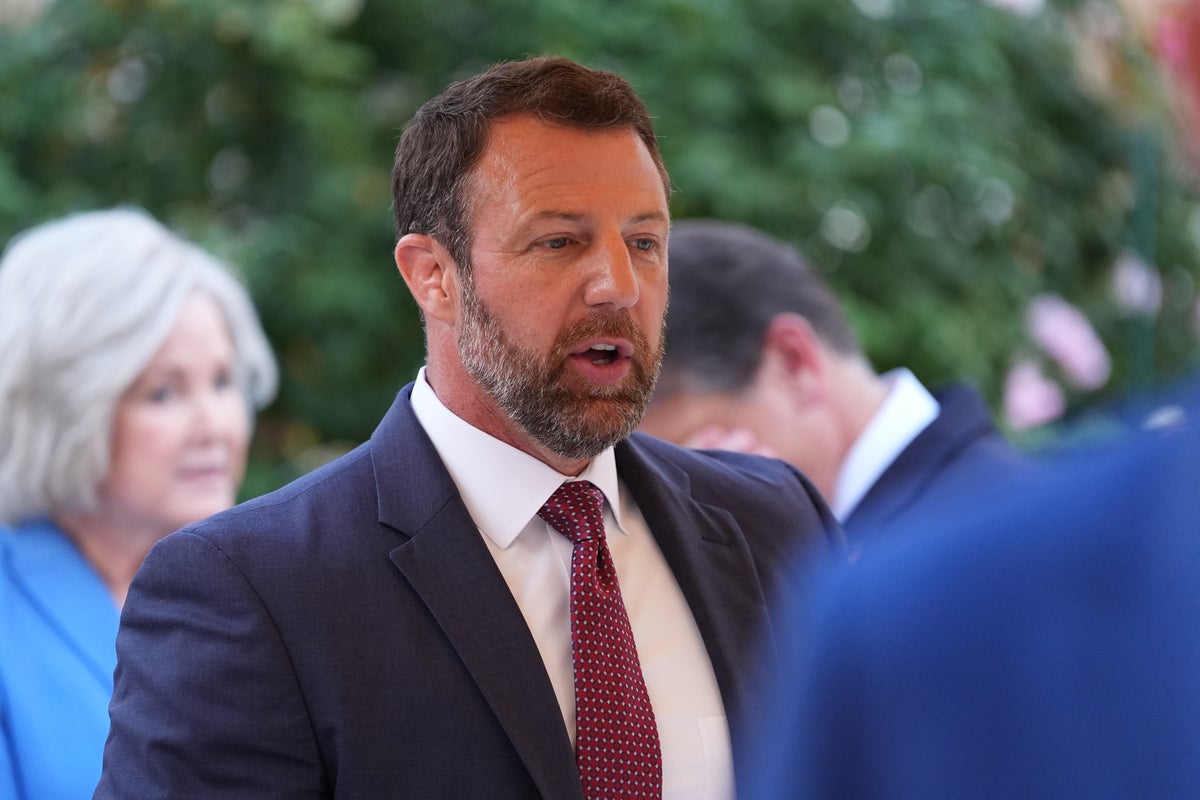
You can't predict what Vladimir Putin will do next. That is the raw reality facing Western security officials right now. US Ambassador to NATO Matt Whitaker recently laid it out bluntly during an interview in Brussels, telling member states that they need to exercise like it matters and invest heavily in their capabilities.
For years, the mainstream consensus assumed Moscow would never dare provoke Article 5. But that comfortable assumption is fracturing. Leaked US intelligence reports point to a grim possibility: Russia could launch a limited hybrid assault, cyber offensive, or small-scale ground incursion against a NATO member state before the decade is out.
The Reality of Hybrid Warfare on European Soil
We are past the point where security threats look like traditional textbook invasions. Hybrid warfare is already here, testing the edges of the alliance daily. Look at Germany. Berlin recently concluded that Moscow was directly behind an attempted drone attack at Leipzig/Halle Airport. German Interior Minister Alexander Dobrindt pointed straight at low-level operatives using explosive configurations matching known Russian sabotage patterns.
Moscow denies everything, of course. But the response from Russian leadership has escalated from mere denial to outright hostility. Dmitry Medvedev, deputy chairman of Russia's Security Council, fired off a public threat on Telegram stating that German military production facilities deserve a direct strike. When top officials in the Kremlin openly throw around phrases like direct strikes on Berlin and defense plants, brushing it off as empty rhetoric is a dangerous luxury.
Why the Risk Profile Has Shifted
Why would Moscow risk a wider war? Simple desperation and military industrial transformation. Russia's economy is running on a war footing, with roughly forty percent of federal spending poured into defense and security. Factories are churning out armor and munitions at a pace that European peacetime economies struggle to match.
At the same time, frontline pressures in Ukraine and domestic political calculations are cornering the Kremlin. Intelligence assessments indicate that Putin might want to test NATO's resolve, hoping to fracture the alliance before the war in Ukraine concludes. A calculated, low-threshold provocation on the eastern flank—whether in Poland or the Baltics—is designed to force a crisis of hesitation among Western leaders. If Washington and its partners blink, the credibility of collective defense crumbles overnight.
What Preparation Actually Means
Preparing for this environment requires moving past bureaucratic complacency. Whitaker stressed that deterrence only works if you make an adversary's move entirely unprofitable. That means NATO capitals have to stop treating defense spending targets as optional suggestions. It requires hardening critical infrastructure, tightening entry controls for operatives, and expanding precision-guided munitions stockpiles that were heavily depleted by prolonged conflict support.
The margin for error is shrinking. If Europe and the United States fail to match their rhetoric with immediate readiness, the next test won't be a warning—it will be a smoking crater.
CIA Chief Warns Russia Against NATO Attack
This video provides additional context regarding high-level intelligence warnings and diplomatic efforts to deter Russian aggression against NATO territories.